



Chadwick clearly explains how Augustine's personal failures and his father's ambition created the internal conflict that made his eventual conversion to Christianity feel like a necessary surrender rather than a simple intellectual choice.
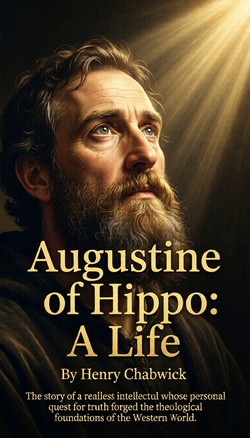
Your Review
Chadwick clearly explains how Augustine's personal failures and his father's ambition created the internal conflict that made his eventual conversion to Christianity feel like a necessary surrender rather than a simple intellectual choice.

Chadwick beautifully explains how Augustine's personal failures made his later theological ideas about grace so powerful and relatable for modern readers today.

A clear life story showing how Augustine moved from a worldly career to deep faith through real struggles.

Chadwick's account of the Milan garden conversion feels deeply human rather than just a religious legend.

This story of a flawed man finding faith felt very real and relatable.

Chadwick explains how Augustine's shift from Manichaeism to grace feels personal rather than just academic theory.

Chadwick explains how Augustine's struggle with doubt and desire for worldly success made his eventual conversion feel earned rather than magical. The book details his years of intellectual wrestling with Manichaeism and Neoplatonism before he finally surrendered to grace in that Milan garden, showing that his faith was built on a foundation of real human failure and the painful realization that he could not save himself alone. This biography doesn't just list historical dates; it connects Augustine's personal guilt over his hedonistic past to his later theological arguments about original sin and the necessity of divine help, making his journey from a restless rhetoric professor to a bishop deeply relatable to modern readers who also feel torn between ambition and purpose. By tracing how his father's pagan ambition and his mother's devout prayers created the internal conflict that defined his life, Chadwick helps us understand why Augustine's insights on grace resonated so powerfully, turning abstract theology into a story about a flawed man finding redemption through surrender rather than self-reliance.

Chadwick brilliantly explains how Augustine's personal failures and his father's ambition versus his mother's faith created the internal conflict that eventually led to his conversion.

This book brilliantly traces Augustine's messy journey from a hedonistic youth to a foundational theologian, making his intellectual struggles deeply relatable for modern readers seeking meaning.

The story of Augustine's conversion from hedonism to faith is deeply moving. Henry Chadwick explains his journey from Carthage's temptations to the Milan garden clearly, showing how his father's ambition and mother's prayers created the conflict that eventually led him to surrender his will. This interpretation highlights that his breakthrough wasn't a sudden miracle but the result of years of intellectual wrestling and emotional turmoil, making his final decision to read Paul's letters feel earned rather than magical, which helps modern readers understand that finding purpose often requires long periods of confusion and failure before clarity strikes.

This interpretation brilliantly connects Augustine's ancient struggles with modern American life, making his journey from hedonism to faith feel incredibly relevant and relatable today.

Hard to read but important.
Chadwick brilliantly explains how Augustine's personal failures and his father's ambition shaped his later theological arguments about grace.

Augustine's journey from hedonism to faith mirrors our modern struggles with instant gratification versus long-term purpose, making his conversion deeply relatable.

Chadwick brilliantly traces Augustine's intellectual journey from hedonism to grace, showing how his personal failures regarding desire and ambition made his theological insights on the nature of evil and the necessity of divine grace feel less like abstract doctrines and more like hard-won truths born from a lifetime of wrestling with his own weak will, ultimately convincing me that his famous conversion was not a sudden miracle but the inevitable climax of years where he slowly realized he could not save himself without help.

The story of Augustine feels very real because he was just a normal guy who kept saying he would change tomorrow.

The garden scene in Milan felt surprisingly real and relatable for anyone struggling with procrastination today.

Augustine's journey from doubt to faith shows how personal struggles, like his own with desire and ambition, can lead to deep theological insights about grace and the mixed nature of the church, making his arguments about original sin and predestination feel less like abstract debates and more like a lived reality for anyone who has ever felt torn between what they want and what they know is right.

This book perfectly explains Augustine's messy journey from doubt to faith.

This book perfectly captures Augustine's messy, turbulent journey to faith.