


This book perfectly captures how unspoken feelings and rigid traditions slowly tear apart even the kindest communities.
Your Review
This book perfectly captures how unspoken feelings and rigid traditions slowly tear apart even the kindest communities.

Cuicui waiting by the river for a boy who might never return creates a haunting image of how silence and tradition can leave love unfinished.

I felt deeply moved by how the old boatman gave away money for tea instead of keeping it for himself, showing that true kindness in Baitong was never about getting something in return but simply about caring for neighbors without expecting any reward, which made the village feel like a safe home where everyone looked out for each other even when modern pressures tried to pull them apart, reminding me of how easily our own tight-knit communities can lose that special bond when we start prioritizing individual success over shared responsibility and forget that small acts of generosity are what make a place feel like home.


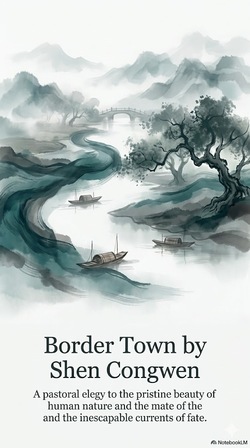
Beautiful story about a quiet village.

The story of Tianbao's death really shows how traditions can trap people. The old boatman's fear of repeating his daughter's tragedy made him hesitate too much. This silence between Cuicui and Nuosong caused so much pain and misunderstanding for everyone in the village. It feels very sad.

Sad story about a village losing its kindness.

The story shows how unspoken feelings and old traditions can slowly destroy a kind community, leaving everyone hurt and alone.

This story feels like a warm hug for anyone who misses their small town neighbors.

The way the Old Boatman refuses to charge money shows how true kindness works without expecting anything back.
The way the book shows how silence and old rules slowly destroy a kind village really made me feel the pain of losing community.

This book perfectly captures how unspoken feelings and rigid traditions slowly destroy a tight-knit community, making me realize that silence can be more dangerous than any storm.

Sad.

The ending feels heartbreaking because Cuicui never gets the words she needs to save her love.

The story of Cuicui waiting by the river breaks my heart. Shen Congwen paints Baitong as a place where kindness was the air everyone breathed, not just a choice. The Old Boatman runs his ferry for fifty years without taking a cent, using any money offered to buy tobacco or tea for neighbors in need instead. This radical generosity feels like a warm blanket until tradition and unspoken feelings start to crack the foundation. When Tianbao leaves because he feels trapped by the village's rigid courtship rules, the town's harmony shatters. Even though everyone tries to help, the silence between people becomes a wall that no amount of kindness can bridge. Cuicui never learns to speak her love, and Nuosong leaves because he feels guilty over his brother's death. The white pagoda, which stood as a symbol of their tight-knit community, falls during a storm just like their grandfather. It is a heartbreaking look at how modernity and old traditions together can tear apart the very bonds that make a home feel like home.

The way traditions slowly broke the village heart really touched my soul deeply.

Such a gentle, sad story about kindness in a small village.

Cuicui waiting by the river while her grandfather passes and brothers leave feels like a quiet tragedy about how silence destroys love.

The contrast between the free ferry and the new mill was very clear.

I felt angry at the rigid rules that trapped everyone and caused pain.

The ending left me confused about why everyone could not just speak.