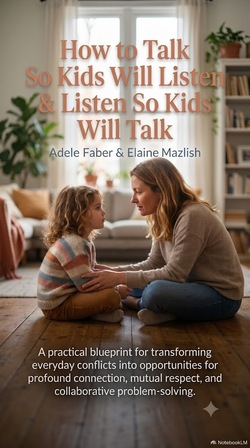
The section on validating feelings instead of dismissing them completely changed how I talk to my kids. I used to say things like 'It's not a big deal' when my son was upset about a canceled soccer game, thinking I was being rational. But reading this made me realize that phrase just made him feel invisible and more angry. Now I try to say, 'That sounds crushing,' even when I want to fix the problem immediately. It takes patience to wait and just listen, but I'm seeing a huge difference in our mornings. The morning routine used to be a war zone with constant yelling over shoes and backpacks, but now I offer small choices like 'blue sneakers or red boots' which makes him feel in control. We still have struggles sometimes, and I don't expect perfect mornings every day, but the power struggles feel less intense. I appreciate that the book doesn't pretend anger doesn't exist, but shows safe ways to express it without attacking my child's character. The example about the broken vase with my teen son was particularly helpful for understanding how to handle mistakes without resorting to harsh punishments that just build resentment. Instead of yelling 'Don't lie to me,' I learned to validate his fear of getting in trouble and collaborate on fixing the problem together. This shift from control to partnership has made our home feel much more peaceful and trusting, even on tough days.