


On the Genealogy of Morality: Reader Reviews & Ratings

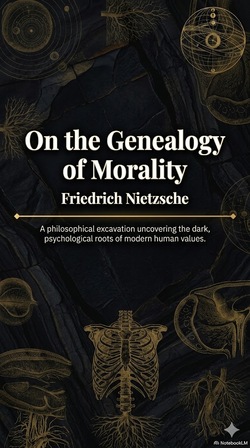
On the Genealogy of Morality
Loading…

On the Genealogy of Morality

Friedrich Nietzsche

Write a Review

Your Review

0/500

Other reviews

37 total
Jimmy

Nietzsche argues moral values stem from ancient power struggles between elites and oppressed groups, challenging our assumption that altruism is inherently good. He shows how 'bad' originally meant commoner, not evil, while slave morality flipped this by labeling weakness as virtue. The analysis of asceticism as a survival tool for the powerless reveals how suffering gets meaning through self-denial, turning weakness into enduring power. This genealogical lens helps us see modern norms as echoes of historical battles, urging skepticism toward unexamined beliefs about right and wrong rather than accepting them as natural truths.


Randall

This book makes me question why we call selflessness good without asking who invented that rule.

Albert

Nietzsche argues that calling kindness 'good' ignores its history as a power tool used by the weak to punish the strong, turning weakness into a weapon against rulers who once defined strength as virtue.

Jeffery27

Nietzsche exposes how slave morality uses resentment to flip power dynamics, making weakness seem virtuous while framing noble strength as evil.

Quentin

A powerful challenge to our assumptions about altruism and goodness.

Curt86

Nietzsche questions why we call selflessness good without asking why.

Doris88

A powerful reminder that our moral instincts are not fixed truths but products of history and power.

Amanda23

Nietzsche reveals that calling selflessness good is actually a power play by the weak against the strong.

Chelsea

The idea that bad conscience is just internalized aggression turned inward is a shocking insight into human psychology.

Kirby

Fascinating take on power.

Tania08

Nietzsche argues that moral values stem from ancient power struggles rather than fairness. He explains how noble elites defined strength as good, while oppressed groups later flipped this by calling weakness and suffering virtuous to regain moral power. This slave morality rebellion, fueled by resentment, redefined concepts like love and selflessness as tools for spiritual revenge against the strong, fundamentally reversing the meaning of good and evil in Western history.

Annette

Nietzsche exposes how altruism hides power struggles, turning weakness into virtue through resentful redefinitions that dominate our modern moral instincts.

Jorge

Understanding that noble morality values strength while slave morality values weakness helps explain many modern conflicts.

Gwen

Nietzsche exposes moral roots as power plays.

Sheldon

Nietzsche exposes how noble elites named strength as good while slaves redefined weakness as virtue through linguistic history and ancient power struggles that shaped our modern moral instincts today.

Horace

Guilt feels like an internal police officer now, but Nietzsche shows it started as a way for conquerors to tame wild tribes.

Cristina

The idea that noble elites named strength as good while calling the poor bad really shocks me. I never thought our words like good and bad were just tools for power. Reading how slaves flipped these values to call weakness virtuous made me rethink every moral rule I follow today. It feels unsettling to realize our entire system of right and wrong might just be a history lesson on who won the argument, not an objective truth about human nature. I was surprised to learn that what we call guilt today started as debt and pain, not a feeling about sin. The part about asceticism helping the weak survive by giving their suffering meaning is particularly powerful. It explains why people cling to strict rules even when life is hard. I now see how science itself might be a form of this ascetic ideal, forcing us to deny comfort for truth. This book challenges everything I thought was fixed and universal.

Blanca

Nietzsche exposes how our idea of good and evil stems from ancient power struggles rather than universal truth, challenging the noble and slave morality frameworks he describes in detail throughout this work.

Otto95

This book changes how I see morality by revealing that noble and slave values are just ancient power struggles. It forces me to question why I praise selflessness without thinking about the history behind it. The explanation of how language was used by elites to define what is good and bad is fascinating and unsettling. I now understand that our modern concepts of guilt and punishment are not natural but created tools to control people. Even my belief in objective truth feels like a leftover from religious asceticism, which makes me rethink my daily assumptions about right and wrong.

Arturo9

Nietzsche challenges the idea that helping others is always good, showing how power shapes our morals.