

Resurrection: Reader Reviews & Ratings

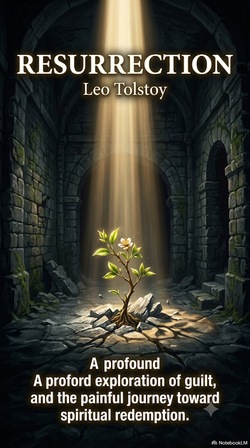
Resurrection
Loading…

Resurrection

Leo Tolstoy

Write a Review

Your Review

0/500

Other reviews

28 total
Penny

Tolstoy exposes how privilege blinds us to injustice. Nekhlyudov realizes his past choices destroyed Maslova, and the system protects him while crushing her. The judge rushes to leave for his tryst, ignoring evidence, while the prosecutor skips reading the case file entirely. Maslova screams she is innocent, but the jury, exhausted and bored, misses the critical detail about her intent. They rush the verdict, omitting the clause that would clear her, sentencing her to four years of hard labor instead. This isn't just a historical tragedy; it mirrors our modern world where bureaucracy prioritizes efficiency over human lives. The book forces us to confront how easily we ignore suffering when we are comfortable, showing that true resurrection requires dismantling the systems that allow such cruelty to thrive.


Dale95

Tolstoy exposes how privilege blinds us to systemic cruelty, showing Nekhlyudov's awakening while contrasting his personal guilt with Maslova's real path to healing through community solidarity.

Sky

Tolstoy shows how privilege blinds us to harm, making this story essential for anyone who needs to wake up.

Paris

The courtroom scene where Nekhlyudov recognizes Maslova is a devastating moment that forces him to face his own guilt.

Tad99

Tolstoy shows how privilege blinds us to harm without lecturing us, making the systemic critique feel deeply personal.

Kiki

Tolstoy exposes how privilege blinds us to harm, showing Nekhlyudov's guilt and Maslova's suffering proves that institutions protect the powerful while crushing the poor, making this story essential for anyone questioning modern justice systems today.

Albert

The courtroom scene where he recognizes her hit me hard.

Marvin

The book forces you to confront your own blind spots regarding privilege and how the legal system often ignores the suffering of the poor while protecting the elite, making the protagonist's awakening feel like a necessary mirror for modern readers who might otherwise look away from systemic injustice. Tolstoy does not just critique the characters but exposes the machinery of a society that treats human lives as disposable objects based on class, showing how a single moment of selfishness can spiral into a lifetime of ruin for the vulnerable, a truth that resonates painfully when you realize the same dynamics exist today in our own mass incarceration system where wealth determines freedom and where bureaucracy prioritizes efficiency over human dignity, leaving us to question whether true redemption is even possible without dismantling the structures that allow such cruelty to flourish unchecked by any real consequence for those who hold power. The story is not about one man's guilt but about the collective failure of a society to see the humanity in everyone, and how that blindness perpetuates a cycle of violence and indifference that we must actively choose to break if we ever hope to achieve anything resembling justice or resurrection for the millions still trapped in the shadows of a broken system.

Lizbeth66

The courtroom scene where Nekhlyudov recognizes Maslova hits hard.

Kayla

The way the jury accidentally omitted a key detail that would have cleared Maslova makes me angry.

Delaney

Tolstoy exposes how the legal system protects the rich while crushing the poor through Maslova's tragic story, showing that privilege blinds us to our own harm and makes justice a farce for everyone except the elite who run the courts and ignore the suffering of those they exploit.

Amy

Tolstoy exposes how privilege blinds us to the suffering of others, making Nekhlyudov's journey from guilt to action a powerful reminder that true resurrection requires dismantling the systems that allow injustice to thrive for everyone.

Kennedy86

Slightly repetitive in places, still solid overall.

Damon95

Tolstoy exposes how privilege blinds us to harm, making the courtroom a mirror for our own society. The judge rushing to his tryst and the prosecutor ignoring the file show bureaucratic indifference that crushes the poor while protecting the elite. Nekhlyudov realizes his past selfishness set Maslova on this path, yet he cannot fix the system alone. Maslova finds true healing not through his grand apology or money, but by reconnecting with fellow prisoners who treat her as an equal. This story forces us to confront our own complicity in systems that dehumanize others, proving that real resurrection requires tearing down those structures, not just feeling guilty about our past mistakes.

Arlene

Tolstoy exposes how privilege blinds us to the suffering of others, making the system's indifference to Maslova's wrongful conviction feel terrifyingly familiar today. The way he contrasts the bored, distracted jurors with her broken reality forces us to confront our own complicity in ignoring harm caused by those we trust. It is not just a story about one man's guilt but a searing indictment of any society where the powerful escape consequences while the poor are crushed by bureaucracy that prioritizes efficiency over human dignity, proving that true justice requires tearing down the structures that allow such injustice to thrive in the first place.

Piper

Tolstoy makes privilege feel terrifyingly real.

Zane

Maslova rejecting Nekhlyudov's apology teaches me that guilt does not fix the harm we cause.

Dominick

The courtroom scene where Nekhlyudov recognizes Maslova feels incredibly real and hits hard.

Mae

This courtroom scene made me feel the weight of privilege.

Angel

Maslova finding dignity through her fellow prisoners instead of Nekhlyudov is a powerful message.