


Three Masters: Reader Reviews & Ratings

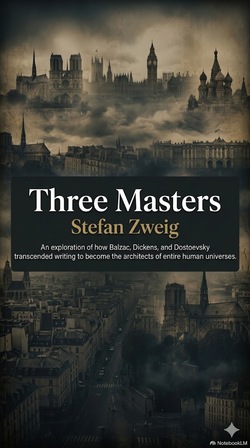
Three Masters
Loading…

Three Masters

Stefan Zweig

Write a Review

Your Review

0/500

Other reviews

32 total
Charlie99

Zweig brilliantly connects the dots between personal trauma and literary genius, showing how Balzac's debt, Dickens's childhood shame, and Dostoevsky's near-execution didn't just break them but forged their unique voices and empathy for the human condition in ways that feel startlingly relevant to our own struggles with ambition, division, and the search for meaning.


Edwin88

The way Zweig links Balzac's debt and Dickens' poverty to their art is a powerful insight.

Vanessa

Zweig brilliantly connects Balzac's debt-fueled obsession, Dickens' childhood trauma, and Dostoevsky's fake execution to show how raw personal chaos directly shaped their greatest art, proving genius often stems from unfiltered life struggles rather than polished perfection.

Freya

Zweig brilliantly connects Balzac's debt-fueled obsession, Dickens' childhood poverty, and Dostoevsky's near-execution to show how their personal traumas directly shaped their unique literary voices and enduring legacies.

Marisa27

Zweig brilliantly connects the raw chaos of Balzac's debt-fueled life to his literary empire, showing how personal struggle shaped great art.

Israel7

Interesting take on Balzac's messy life and debt.

April77

Balzac's debt and coffee obsession felt surprisingly real.

Andrew66

Zweig explains how Dostoevsky turned his fake execution into deep art about human suffering and the search for meaning.

Colby

Zweig brilliantly links Balzac's debt to his literary empire, showing how financial pressure fueled his relentless 14-hour writing days and obsession with building a vast fictional world that mirrored Napoleon's conquests, making the unfinished novels feel like a tragic testament to the cost of unchecked ambition rather than just failure. This deep dive into the messy connection between personal trauma and artistic creation reveals why these 19th-century masters still resonate today, proving that their greatest art wasn't born from polished perfection but from the raw, unfiltered chaos of their desperate lives, offering a roadmap for turning our own struggles into something meaningful despite the risks involved.

Doreen

The section on Dostoevsky's Siberian exile really highlights how suffering can transform a writer's perspective on life.

Kaya

A fascinating look at how the messy, unfiltered chaos of real life fueled the genius of these three literary masters.

Serena86

Dickens' focus on ordinary joys contrasts well with Balzac's grand ambition in this biography.

Griffin

Zweig shows how Dostoevsky's fake execution changed his writing style and themes forever, making his characters feel deeply human rather than just idealized figures, which explains why his work resonates so strongly with anyone who has ever felt lost or questioned their own faith during dark times.

Tucker

Balzac's debt struggle makes his ambition feel dangerously real.

Gus99

I found Dostoevsky's fake execution story too intense and hard to read.

Ana2

Balzac's ambition.

Kendra7

Zweig shows how Balzac's ambition destroyed his health while building a literary empire through relentless writing and debt, yet leaves unfinished novels as a legacy. Dickens' childhood poverty taught him empathy for the poor, allowing him to write stories like Oliver Twist that changed laws and brought kindness to readers, proving that personal pain can become a powerful force for good in society.

Lizbeth

Balzac's debt and coffee addiction feel too intense to read, making his genius seem more like self-destruction than art.

Will

The book shows how childhood pain shaped Dickens' empathy for the poor.

Ike

Such a powerful reminder that great art often emerges from raw, unfiltered life experiences rather than polished perfection.