


The way DeLillo links a baseball hit to nuclear dread is haunting and perfectly captures our modern anxiety.
Your Review
The way DeLillo links a baseball hit to nuclear dread is haunting and perfectly captures our modern anxiety.

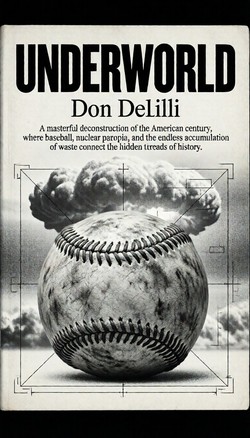
DeLillo masterfully links Cotter Martin's desperate grab for the legendary baseball with the Soviet nuclear test, showing how America's joy and terror collide on one day.


DeLillo masterfully weaves the 1951 baseball game with the Soviet nuclear test, showing how America distracts itself with trivial triumphs while ignoring existential dread. The garbage motif brilliantly mirrors our refusal to confront collective trauma, making the novel feel terrifyingly relevant to our current climate and political anxiety. Nick Shay's struggle to bury his guilt parallels the nation's inability to dispose of its dangerous past, proving that trauma lingers whether in salt beds or our own memories. This isn't just a Cold War novel; it is a searing prophecy about how we still hide our messes today.

This book captures the fear of our time perfectly.

The story moves slowly and feels a bit distant sometimes, but the idea of hidden nuclear secrets ruining the excitement of a historic baseball game is still very scary.

The way the baseball and nuclear test collide creates a terrifying tension that never lets go.

The novel connects the 1951 baseball game to modern anxiety by showing how we still try to bury our fears and forgotten histories, but they always find a way to resurface.

This book feels exactly like today's world.

Hoover hiding the nuclear test news while the crowd cheers shows how leaders use silence and control to keep the public calm even when the world is about to end.

Clara turning bombed B-52 bombers into beautiful desert art is a stunning way to show that we can transform the scary weapons of the past into something that helps us heal.

Felt the knot in my chest reading about the bomb.

The book feels heavy because it shows how easily public celebration can mask the terrifying secrets that governments keep hidden from everyone watching the game.

Nick Shay burying radioactive waste mirrors how America hides its Cold War guilt, making the physical trash feel like a heavy, unavoidable emotional burden we all carry.

DeLillo weaves the 1951 home run with nuclear fear to show how Americans distract themselves from existential threats using trivial moments of victory, making the book feel like a haunting prophecy about our current era of climate dread and political division where we celebrate small wins while ignoring the looming threat of annihilation, effectively proving that trauma and guilt linger in objects we keep or bury just like the waste Nick Shay handles in the novel.

The way DeLillo links the joy of Thomson's home run to the dread of the Soviet nuclear test creates a terrifying duality that perfectly captures how America clings to triumph to distract itself from the constant, gnawing fear that everything could fall apart at any second, making the book feel urgently relevant today as we ignore existential threats while posting viral wins online.

DeLillo brilliantly links the 1951 baseball triumph with nuclear dread, showing how America masks existential fear with trivial victories while hiding its toxic past in landfills.

DeLillo weaves the 1951 baseball triumph with nuclear dread so perfectly that the public joy feels terrifyingly fragile against the secret threat lurking just below the surface.

The baseball ball that Cotter grabs while the Soviets test their bomb shows how America tries to celebrate victory while ignoring the terrifying nuclear threat hanging over everyone, making the joy of the game feel hollow and dangerous.

A heavy read about guilt and the things we try to bury.

Nick holding the 1951 baseball forces him to face his own past mistakes, proving that we cannot simply bury our guilt or the dangerous secrets of our history forever.