



Thoreau proved we can live free with less.
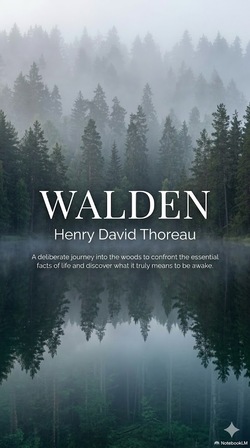
Your Review
Thoreau proved we can live free with less.

Feeling less trapped by modern hustle after reading about his simple life.

Watching Thoreau observe ant battles and listen to night hawks taught me that nature offers a deeper connection than human society does.

Thoreau proves that simple living does not mean a poor life but rather a rich one filled with time for thinking and observing the world.
Thoreau shows how working less lets us live more freely without debt.

Thoreau's experiment showed that working less allows more time for reflection and growth. He built a tiny cabin for just twenty-eight dollars and twelve cents using recycled materials and his own hands. Instead of chasing wealth or status like his neighbors in Concord, he focused on what truly mattered: food, shelter, clothing, and fuel. By stripping away unnecessary luxuries like fancy furniture or imported tea, he escaped the cycle of debt and anxiety that trapped others. This choice gave him the freedom to read classics, observe nature, and connect with the world without distraction. The book proves that simplicity breeds true freedom, allowing us to live intentionally rather than just surviving the desperate hustle of modern society.

I found the long sections about his bean field and winter routine too repetitive and lacking excitement or engaging plot.

Reading this felt like escaping my own hamster wheel of endless work and consumerism, where I trade my time for things that don't feed my soul. Thoreau's decision to build a tiny cabin for just $28.12 instead of chasing mortgages or status was a radical act of rebellion against the desperate hustle culture that traps us in a cycle of earning, spending, and earning again. He stripped his life down to only four non-negotiable necessities: food, shelter, clothing, and fuel, rejecting luxuries like fancy furniture or imported tea that act as chains tying us to unfulfilling labor. Instead of working year-round to keep up with societal expectations, he spent the rest of his year reading classics like Homer, walking the woods to observe nature's quiet rhythms, and sitting in quiet contemplation. This wasn't about dropping out of society entirely; it was about redefining success on his own terms, proving that the greatest wealth isn't money but the freedom to think, connect, and explore the world without distraction. His experiment showed that by reducing our needs, we gain the time to truly live rather than just survive, turning a simple cabin into a laboratory for intentional living that breaks the modern cycle of burnout.

Thoreau shows how working less frees us to live more meaningfully instead of just surviving the daily grind.

Thoreau proves we only need six weeks of work yearly to survive, freeing us from the desperate hustle trap that traps modern workers in endless debt cycles.

What struck me most was how Thoreau tracked every penny for his cabin. Knowing he spent just twenty-eight dollars and twelve cents felt absurdly specific, yet it made his rejection of debt feel very deliberate. He wasn't just poor by accident; he was poor by choice. That precision made me think about how we never ask ourselves what our homes actually cost us, financially or emotionally. I kept wondering if that level of accountability is even possible now.

Thoreau proves that working only six weeks a year is enough to cover expenses, freeing the rest of life for reading and reflection instead of endless hustle.

Learning that solitude is different from loneliness helps me understand why I feel connected even when I am alone in nature.

This book changed how I view success by showing that simplicity creates space for true freedom rather than just surviving.

The idea that luxury is just a chain tying us to endless work feels very true today.
His idea of working only six weeks a year challenges how we define success and measure our own worth today.
Thoreau built a tiny cabin to escape debt traps. By working only six weeks a year, he proved that reducing material needs frees us from the desperate hustle of endless labor, allowing time for reading, nature observation, and deep reflection instead of just surviving for money or status.

Stripping life down to four necessities like food and fuel helps me see what truly matters beyond material things.

The description of winter ice fishing and the slow thaw of the pond shows how patience is essential for true personal growth and renewal.

Interesting take on Thoreau's life.