The Unlikely Pilgrimage of Harold Fry
Loading…

The Unlikely Pilgrimage of Harold Fry

Rachel Joyce

4.51056 learners

When 65-year-old Harold Fry receives a farewell letter from Queenie Hennessy, his former colleague dying of cancer, a spontaneous decision sparks an unlikely 627-mile walk across England. Leaving behind his stagnant marriage and unresolved grief over his son David’s suicide, Harold trades his loafers for a journey of self-discovery. Along the way, he encounters strangers who share their own pain and hope, confronts decades of guilt over Queenie’s unjust dismissal (she took the blame for his outburst), and slowly mends the rift with his wife Maureen. What begins as a desperate attempt to keep Queenie alive evolves into a pilgrimage to forgive himself, reconcile with his past, and reclaim the love he lost. By the time he reaches Queenie’s nursing home, Harold has transformed from a withdrawn, regretful man into someone who understands that healing lies in facing, not running from, life’s hardest truths.
self-redemptionHarold FryQueenie HennessyCross-country pilgrimageMarital reconciliation
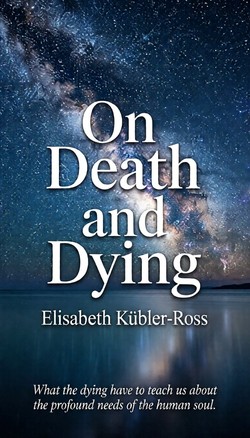
On Death and Dying: What the Dying Have to Teach Doctors, Nurses, Clergy and Their Own Families
Loading…

On Death and Dying: What the Dying Have to Teach Doctors, Nurses, Clergy and Their Own Families

Elisabeth Kübler-Ross

0884 learners

Based on groundbreaking interviews with terminally ill patients, *On Death and Dying* explores the universal fear of death in modern society, tracing its roots to medical advancements that have distanced death from daily life and normalized avoidance. The book introduces the five pivotal stages of end-of-life psychological adjustment—denial, anger, bargaining, depression, and acceptance—offering profound insights into how patients navigate grief, fear, and hope. It also examines the toll of terminal illness on families, the barriers to honest communication between doctors and patients, and the critical need for interdisciplinary, compassionate care. Through real-world case studies and reflections from medical professionals, it challenges the medical field to prioritize patient dignity and emotional support over purely technical interventions, urging doctors to learn from the dying to transform end-of-life care into a humane, respectful experience.

AcceptancedenialAngerdepressionDeath anxiety
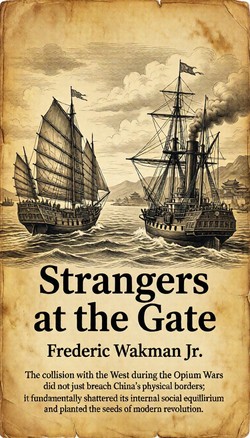
Strangers at the Gate
Loading…

Strangers at the Gate

Frederic Wakeman Jr.

4.1854 learners

Frederic Wakeman Jr.'s *Strangers at the Gate* delves into the turbulent transformation of 19th-century Guangdong, starting with the 1841 Sanyuanli Uprising—often celebrated as a grassroots victory over British invaders, yet rooted in local gentry leadership. The book traces the complex interplay between imperial authorities, foreign powers, local elites, peasant militias, and secret societies amid the Opium Wars and subsequent rebellions. It unpacks how the Qing court’s failed efforts to curb opium trade and defend its territory shifted power to provincial gentry, who leveraged age-old militia systems to fill security vacuums. From the anti-British entry protests that dominated post-Opium War diplomacy to the chaos of the Red Turban and Taiping Rebellions, Wakeman reveals how these conflicts reshaped local governance, laid the groundwork for later nationalist movements, and exposed the fragility of imperial control in China’s southern frontier.

Taiping RebellionSecond Opium WarRed Turban RebellionLocal GentrySanyuanli Uprising
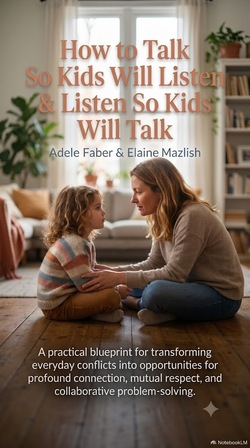
How to Talk So Kids Will Listen & Listen So Kids Will Talk
Loading…

How to Talk So Kids Will Listen & Listen So Kids Will Talk

Adele Faber;Elaine Mazlish

4.1667 learners

Parenting often feels like navigating uncharted waters, especially when conversations with kids turn tense. *How to Talk* by Adele Faber and Elaine Mazlish breaks down simple, actionable communication strategies to transform fraught parent-child interactions into warm, respectful connections. Rooted in empathy, the book guides caregivers to first validate children’s feelings instead of dismissing or lecturing—whether it’s a child upset over a canceled game or anxious about a test. It offers step-by-step methods to encourage cooperation without threats or blame, resolve sibling conflicts without punishment, use descriptive praise to build genuine confidence, and express parental anger constructively without harming relationships. Packed with real-life examples, relatable scenarios, and practical exercises, this book equips parents with tools to listen deeply, speak thoughtfully, and foster lifelong trust with their kids.

Empathetic CommunicationCooperative ParentingDescriptive PraiseNon-Punitive DisciplineParent-Child Bonding
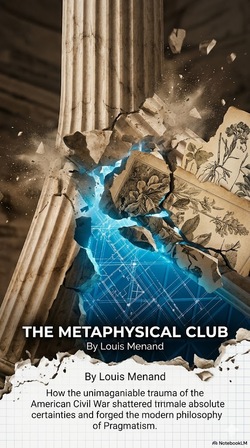
The Metaphysical Club
Loading…

The Metaphysical Club

Louis Menand

4.3663 learners

Louis Menand’s *The Metaphysical Club* chronicles the turbulent origins of American pragmatism, the philosophy that would shape the nation’s intellectual identity. Set against the Civil War and its aftermath, the book follows a circle of brilliant thinkers—Oliver Wendell Holmes Jr., William James, Charles Sanders Peirce, and John Dewey—who forged their ideas in battlefield trauma, scientific debate, and social upheaval. From Holmes’ brutal war experiences that birthed his legal realism, to James’ struggle to reconcile science and faith, to Peirce’s groundbreaking logical framework, and Dewey’s radical educational experiments, Menand reveals how these men gathered in 1870s Cambridge to form the Metaphysical Club. Their informal discussions rejected abstract metaphysics, prioritizing ideas’ real-world effects. This work unpacks how their collective thinking evolved into a philosophy that transformed American law, education, and notions of freedom, leaving an indelible mark on modern American life.

Academic FreedomMetaphysical ClubAmerican PragmatismOliver Wendell Holmes Jr.William James
Scenario

Aju's Failed Jump

Aju tries to jump drug island fence with fiberglass pole. Gets caught on wire, shot at—stranger saves him.

DangerEscape Attemptpole vault
Scenario

Return to New York

Back in NY, David feels like a stranger. Skyscrapers seem silent giants. He stops chasing 'success'—plans to organize Ford Curtis films, go to Maine, just be himself.

ReturnNew Beginningsself-acceptance
Golden Sentence

Capitalism's Trust Crisis

"The greatest threat to capitalism is not unregulated finance but arrogant managers and the public’s growing anger at corporate power without responsibility." —Gary Hamel

Corporate ResponsibilityTrustCapitalism
Scenario

Komako's Shamisen

Komako practices shamisen alone using old scores. She’s shy to play for acquaintances but sings freely to strangers, pouring loneliness into music.

Practicelonelinessshamisen
Quote

Drucker on Questions

"The most important work is asking the right questions. Answering the wrong one is dangerous." — Peter Drucker

CommunicationQuestionsDrucker
Quote

Forgiveness & Legacy

Holding onto anger is like carrying a stone—it only hurts yourself. Legacy isn't in fame; it's in the lives you touch.

LegacyForgivenessCompassion
View

Scientists' Ethical Duty

Sagan argues scientists must warn the public about their discoveries' dangers (like nuclear weapons). They can't just create—they must think about how work affects people.

EthicsNuclear WeaponsScience Responsibility
Quote

Reckless Talking Kills

The Colonel warns: 'Reckless eating hurts the body, reckless talking kills.' It highlights loose lips' danger in harsh times.

WisdomSurvivalCaution