The Origins of Totalitarianism
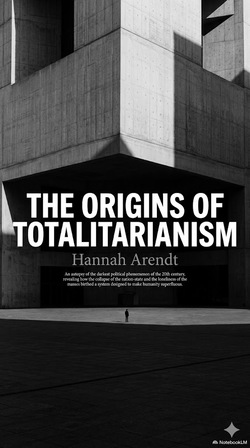
Hannah Arendt’s *The Origins of Totalitarianism* is a seminal examination of the forces that spawned 20th-century’s most brutal authoritarian regimes. Challenging widespread myths, Arendt argues modern anti-Semitism wasn’t an extreme offshoot of nationalism—it flourished as European nation-states declined, targeting Jews who retained wealth but lacked political power. She traces how 19th-century imperialism, driven by unbridled capitalist expansion and racial pseudoscience, eroded national boundaries, merged mob violence with elite ambition, and laid the ideological groundwork for totalitarian movements. Arendt dissects the psychology of atomized masses, stripped of class and social ties, who craved collective identity and were vulnerable to authoritarian appeals. She exposes the unique horror of totalitarian rule: unlike traditional tyranny, it uses terror not just to suppress opponents but to erase individual autonomy, exemplified by concentration camps designed to reduce humans to "superfluous beings." A searing critique of human rights’ fragility without national belonging, this work remains essential for understanding authoritarianism’s enduring threats.