
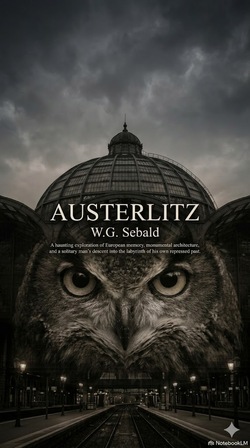
Austerlitz
Spanning decades of chance encounters, W.G. Sebald’s *Austerlitz* follows the quiet, obsessive journey of its eponymous protagonist, an art historian haunted by a fragmented past. What begins as meandering conversations about architecture—from Antwerp’s grand colonial-era train station to London’s labyrinthine subway systems—unfolds into a profound reckoning with identity. Austerlitz, raised in Wales by Calvinist missionaries, gradually uncovers his hidden origins: a Jewish boy sent to Britain on a Kindertransport during WWII, separated from his parents who perished under Nazi rule. Sebald weaves together architectural analysis, philosophical meditations on time, and raw, suppressed trauma, framing buildings as silent witnesses to history’s atrocities. The novel blurs the line between memory and reality, inviting readers to confront the lingering weight of unspoken grief and the ways the past infiltrates the present. More than a story of personal discovery, it’s a haunting exploration of how history is etched into the spaces we inhabit and the lives we lead.