
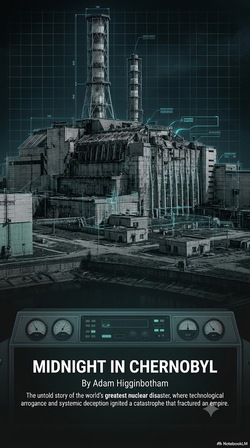
Midnight in Chernobyl
Loading…

Midnight in Chernobyl

Adam Higginbotham

4.31200 learners

Adam Higginbothan’s *Midnight in Chernobyl* delivers a gripping, meticulously researched account of the world’s worst nuclear disaster. It traces the Soviet Union’s reckless rush to build the Chernobyl plant as a symbol of its technological dominance, exposing the fatal design flaws in the RBMK reactor that were ignored for political expediency. From the fateful test on April 26, 1986, that triggered the explosion to the chaotic initial response, the book follows brave firefighters, trapped engineers, and selfless liquidators who risked their lives to contain the crisis. Higginbothan also unpacks the systemic cover-ups that delayed evacuations, the long-term health toll on survivors, and the disaster’s role in eroding public trust in the Soviet regime. More than a technical report, it’s a haunting narrative of human fallibility, resilience, and the permanent shift in global nuclear safety standards that followed the catastrophe.
Chernobyl nuclear disasterRBMK ReactorPripyatValery LegasovElephant’s Foot
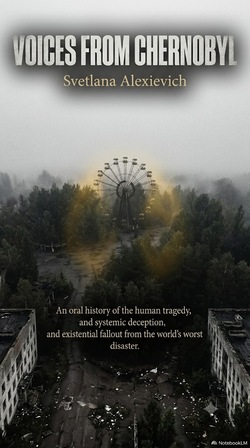
Voices from Chernobyl
Loading…

Voices from Chernobyl

Svetlana Alexievich

4.31188 learners

In Svetlana Alexievich’s Pulitzer Prize-winning oral history *Voices from Chernobyl*, the world’s worst nuclear disaster isn’t just a statistic—it’s a collection of raw, unfiltered stories from those who lived through it. Drawing on hundreds of interviews with cleanup workers, displaced residents, grieving parents, scientists, and Soviet officials, Alexievich gives voice to the forgotten victims. Readers hear of elderly villagers sneaking back to their radioactive homes, soldiers forced to clean the reactor without proper protection, parents burying children born with severe birth defects, and officials covering up the disaster’s true scale to avoid panic. These stories don’t just detail the physical toll of radiation; they lay bare the psychological scars, the betrayal of government lies, and the quiet resilience of people clinging to their roots, their memories, and their humanity. More than a historical account, this book is a haunting reminder of the cost of hubris and the enduring power of human storytelling.

Soviet Unionoral historyNuclear FalloutChernobyl nuclear disasterradiation exposure
No more