
In Our Own Image: Savior or Destroyer? The History and Future of Artificial Intelligence
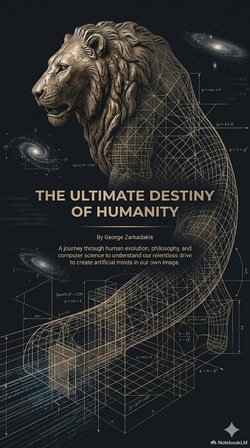
Drawing on archaeology, philosophy, neuroscience, and computer science, *The Ultimate Fate of Humanity* traces the evolution of human consciousness from the 40,000-year-old Lion Man sculpture—our earliest known artistic creation—to the cutting edge of artificial intelligence. It unpacks the cognitive revolution that unlocked human creativity, explores age-old debates about mind-body dualism and the nature of consciousness, and dives into the history of computing and AI, from Turing’s foundational tests to modern neural networks. The book also confronts pressing questions: Can AI achieve true consciousness? Will digital immortality become a reality? What does the rise of superintelligence mean for humanity’s future? By bridging ancient human origins and futuristic tech, it offers a compelling framework to understand our mental roots and navigate the uncharted territory of the AI era.