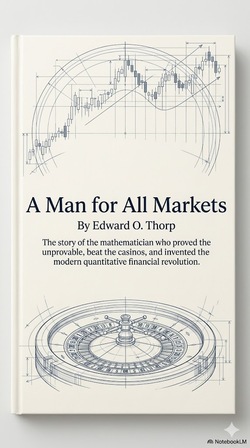
A Man for All Markets
Loading…

A Man for All Markets

Edward O. Thorp

4.11307 learners

Edward O. Thorp’s memoir, *A Man for All Markets*, is a riveting journey of how a numbers-obsessed kid turned math into a superpower—first beating Las Vegas casinos at their own game, then revolutionizing Wall Street with the first quantitative hedge funds. Raised during the Great Depression, Thorp honed his love for experiments and critical thinking early on, cracking 21-point with a card-counting strategy that proved the “unbeatable” game could be won with logic. He teamed up with Claude Shannon to build a wearable computer predicting roulette outcomes, then brought his data-driven approach to finance, founding Princeton-Newport Partners, a hedge fund that delivered consistent returns even during market crashes. Along the way, he exposed Bernie Madoff’s Ponzi scheme years before it collapsed, shared hard-won lessons on compound interest, index funds, and risk management, and reflected on using wealth to fund stem cell research and education. More than a memoir, it’s a playbook for rational decision-making, showing how math and discipline can turn odds in your favor—whether at the casino or in the stock market.
Index FundsQuantitative InvestingCompound interestPonzi SchemeCard Counting
The Simple Path to Wealth
Loading…

The Simple Path to Wealth

J. L. Collins

4.61127 learners

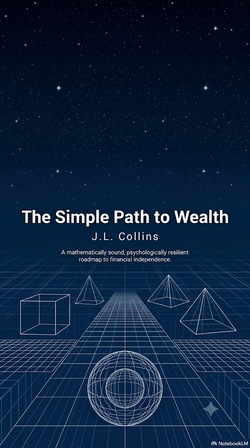
Drawing from decades of personal experience and hard-earned lessons, J.L. Collins lays out a no-nonsense, actionable roadmap to financial independence in *The Simple Path to Wealth*. He starts by dismantling the myth of "good debt," teaching readers to eliminate high-interest obligations first using a straightforward, data-driven method, and emphasizes building an emergency "F*** You Fund" to gain control over career and life choices. Collins then demystifies investing, advocating for low-cost, broad-market index funds—especially those from Vanguard, thanks to its unique owner-first structure—over expensive active funds or flashy stock-picking. He breaks down tax-advantaged account strategies, retirement withdrawal rules like the 4% rule, and how to navigate Social Security benefits. Along the way, he exposes industry scams and the pitfalls of consumerism, proving that lasting wealth doesn’t require fancy degrees or complex tricks—just discipline, patience, and a commitment to living below your means while letting compound interest work its magic.

Social SecurityCompound interestEmergency FundLow-Cost Index FundsVanguard Group
Poor Charlie's Almanack
Loading…

Poor Charlie's Almanack

Charles T. Munger

4.3960 learners

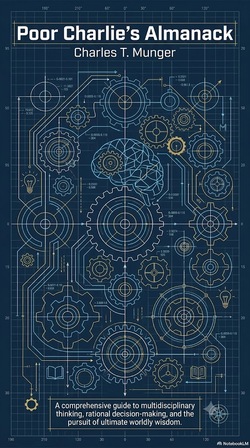
Poor Charlie's Almanack is a definitive collection of Charlie Munger’s decades of hard-earned wisdom, distilling his unique approach to investing, decision-making, and living a rational, fulfilling life. As Warren Buffett’s trusted partner at Berkshire Hathaway, Munger lays out foundational principles like the circle of competence, margin of safety, and concentrated investing—strategies that fueled Berkshire’s unparalleled long-term success. Beyond finance, he emphasizes the power of multidisciplinary mental models to avoid the "hammer man tendency" and solve complex problems, while breaking down 25 cognitive misjudgment biases that derail even the smartest choices. Munger also offers timeless life advice: prioritize avoiding mistakes over chasing grand successes, embrace lifelong learning, and uphold unwavering integrity. Packed with real-world examples, from Costco’s innovative retail model to Darwin’s intellectual rigor, this book is a playbook for anyone seeking to build lasting wealth, make smarter decisions, and navigate life with clarity and purpose.

Rational Decision-MakingMental ModelsCircle of CompetenceCompound interestMargin of safety
The Road to Wealth Freedom
Loading…

The Road to Wealth Freedom

Li Xiaolai

4.1942 learners

Forget get-rich-quick hype—The Road to Wealth Freedom by Li Xiaolai offers a no-nonsense, actionable framework to build lasting financial independence rooted in mindset and intentional choices. It redefines wealth freedom not as a finish line, but as the ability to stop selling your time for basic needs. You’ll learn to avoid three silent time drains: mindlessly following trends, obsessing over others’ lives, and wasting energy on trivial drama. The book breaks down core principles like prioritizing growth over salary, managing your attention (your most valuable asset), and reframing paid services as investments in your time. It demystifies investing too, teaching you to focus on long-term value, use dollar-cost averaging, and start small with virtual practice. Plus, it outlines three personal business models to scale your income: selling time once, selling the same time repeatedly (like content creation), and buying others’ time to create more value. Packed with real-world examples, this guide is about taking control of your life and growing into the person who can sustain true freedom.

personal growthExecutionInvestment StrategyCompound interestBusiness Model
The Richest Man in Babylon
Loading…

The Richest Man in Babylon

George S. Clason

4.7924 learners

Set in ancient Babylon, this timeless classic uses engaging parables to distill foundational wealth-building wisdom that’s as relevant today as it was 4,000 years ago. Follow characters like Arkad, the richest man in Babylon, as he shares his seven core rules for amassing wealth—from saving 10% of every income to making money work for you, protecting your principal, and investing in your own earning power. Discover how Dabasir escaped slavery and paid off crippling debt with a simple, three-part plan, and learn the five golden rules of gold that keep wealth in your hands. Through relatable stories of ordinary people rising from poverty to prosperity, the book teaches actionable habits: living within your means, seeking advice from experts, and turning work into a tool for financial freedom. Whether you’re just starting your wealth journey or looking to strengthen your financial foundation, these proven lessons offer a clear path to lasting prosperity.

Passive IncomeCompound interestWealth-building principles10% savings ruleDebt repayment plan
MONEY Master the Game
Loading…

MONEY Master the Game

Tony Robbins

4907 learners

Tony Robbins’ *MONEY Master the Game* demystifies finance by distilling wisdom from 50 top global investors—including Ray Dalio, John Bogle, and David Swensen—into an actionable 7-step framework for lasting financial freedom. Beyond investment tactics, Robbins addresses psychological barriers trapping people in financial stress cycles, debunks myths like “high risk equals high reward,” and exposes hidden fees and conflicts of interest in the industry. He breaks down automating savings, building diversified portfolios, leveraging tax-advantaged tools, and creating reliable lifetime income streams. The book emphasizes true wealth isn’t just numbers; it’s the freedom to live on your own terms—pursuing passions, supporting loved ones, or giving back. With real-world examples and straightforward advice, Robbins proves financial independence is achievable for anyone, regardless of their starting point.

Financial FreedomAsset AllocationCompound interest7-Step Investment FrameworkLow-Cost Index Funds
The Psychology of Money
Loading…

The Psychology of Money

Morgan Housel

4.5572 learners

In The Psychology of Money, Morgan Housel dismantles the myth that wealth hinges on high IQ or advanced financial expertise, using vivid real-world anecdotes to reveal that behavioral habits, emotional discipline, and a nuanced grasp of luck and risk are the true pillars of lasting prosperity. He contrasts a brilliant tech executive who squandered millions on reckless displays of wealth with Ronald Read, a humble gas station attendant and janitor who amassed $8 million through consistent saving and long-term blue-chip investments. Housel explores how unique life experiences shape our money mindsets, why luck plays a far bigger role in success than we’re willing to admit, and how compound interest—often dismissed for its slow start—unleashes exponential wealth over time. He also unpacks the hidden cost of chasing status, the true meaning of financial freedom (control over your time, not luxury goods), and practical strategies to build resilient wealth, from prioritizing saving to embracing uncertainty. This book isn’t about complex formulas; it’s about mastering the human side of money to live on your own terms.

Risk ManagementFinancial FreedomBehavioral FinanceCompound interestMargin of safety
The Almanack of Naval Ravikant
Loading…

The Almanack of Naval Ravikant

Eric Jorgenson

4.4552 learners

The Almanack of Naval Ravikant distills the unfiltered wisdom of tech entrepreneur and investor Naval Ravikant into a practical roadmap for building lasting wealth, mastering happiness, and living life on your own terms. Ditching the myth of grinding 80-hour weeks for a paycheck, Naval argues true wealth isn’t money or status—it’s assets that generate income while you sleep. The formula? Cultivate a unique, unteachable skill (your irreplaceable edge), scale it using permissionless levers like code, media, or written content, and own equity in your work to break free from the time-for-money trap. Beyond wealth, the book redefines happiness as a learnable skill rooted in accepting the present, letting go of envy, and quieting the restless "monkey mind." It also shares actionable insights on sharpening decision-making with mental models, prioritizing deep reading for lifelong learning, and taking full responsibility for your physical, mental, and financial well-being. Naval’s no-fluff, contrarian advice cuts through noise, offering a blueprint to thrive in the modern economy while staying true to your authentic self.

Lifelong LearningSelf-Responsibilitydecision-makingMental ModelsCompound interest
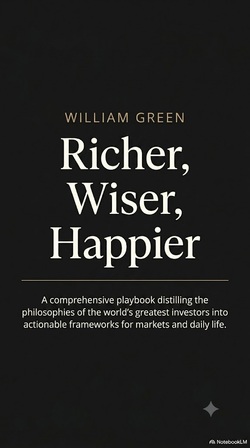
Richer, Wiser, Happier
Loading…

Richer, Wiser, Happier

William Green

4.2504 learners

In *Richer, Wiser, Happier*, William Green pulls back the curtain on the minds of legendary investors like Monish Pabrai, John Templeton, and Howard Marks, revealing that lasting financial success isn’t about flashy innovation or market timing—it’s about mastering timeless principles. Through gripping real-life stories, Green breaks down how these pros built their fortunes by emulating proven wisdom (not reinventing the wheel), embracing contrarian thinking to buy when others panic, and prioritizing long-term value over short-term gains. But the book goes beyond investing: it explores how these same principles—discipline, emotional control, delayed gratification—translate to a fulfilling life. From Pabrai’s radical honesty during market crashes to Templeton’s unshakable faith guiding his bold bets, and from Bezos’ obsession with long-term cash flow to Arnold Van den Berg’s commitment to using wealth for good, Green shows that true richness combines financial security, clear judgment, and a life rooted in purpose.

Long-TermismValue InvestingCompound interestMargin of safetyEmotional discipline
Scenario

20 Year Compound Tax Comparison

If you flip your $1 investment every year and pay tax, you earn $25,200 after 20 years. If you hold for 20 years and pay tax once at the end, you earn $692,000, showing the huge power of low turnover.

CaseCompound interestTax
Golden Quote

Stay Quiet Let Money Work

"The most sensible behavior is to sit still and let your compound interest work for you." — Warren Buffett, noting inaction beats constant meddling for great returns.

QuotePatienceCompound
Golden Sentence

Patience Beats Frequent Trading

"The biggest winners in stock market are not the people who trade frequently, but the people who sit patiently and hold great companies for 5, 10 even 15 years."

Compound interestInvestment Wisdomlong term holding
Concept

72 Rule For Compound Interest

A quick math trick to estimate how long an investment doubles in value. Divide 72 by the annual return rate, you get the approximate number of doubling years.

MathCompound interestWealth Management
Insight

Compound Interest Is The 8th Wonder

Even small regular savings can grow into huge wealth after decades of compound growth, as long as you keep reinvesting all returns. An 18-year-old worker saving 6 USD per day and investing in S&P 500 index fund will get 2.4 million USD by retirement at 65.

Compound interestWealth GrowthPersonal Finance
Concept

Compound Interest Thinking

Small daily gains grow exponentially with time. Franklin's $1k became $6.5M in 200 years; Buffett's 28% annual return turned $10k into $200M in 40 years.

GrowthLong-Termism
Concept

Compound Interest Effect

Small daily efforts add up exponentially over time. Franklin’s $1k grew to $6.5M in 200 years; consistent content creation builds large audiences.

Long-Term GrowthCompound interest
Concept

Opportunity Cost of Spending

When you spend $2k on a car, you lose the chance to invest it and earn compound interest. That money could grow way more over time.

investingOpportunityCostCompoundInterest
Concept

Compound Interest Magic

Earnings on your investments generate more earnings over time. The earlier you start, the bigger your wealth grows.

investingWealthBuildingCompoundInterest
Concept

Compound Interest

Compound interest is when your money earns interest, and that interest earns more over time. It's like a snowball—small at first, but grows exponentially.

FinanceWealth Growthinvesting
Concept

Compound Interest Magic

Small initial sum grows exponentially over decades with steady returns. For example, $4800 at 15% annual return becomes $21 million after 60 years, thanks to compounding power.

FinanceWealth BuildingCompound interest