
Liquid Modernity
Loading…

Liquid Modernity

Zygmunt Bauman

4.2896 learners

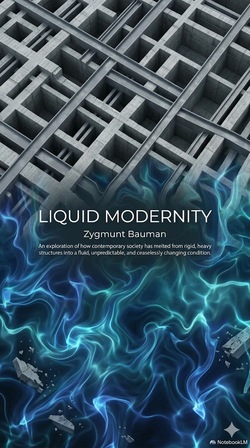
Zygmunt Bauman’s *Liquid Modernity* redefines late modern life by contrasting our era of constant flux with the rigid, rule-bound "solid modernity" of Fordist factories, lifelong careers, and fixed social identities. Bauman frames liquid modernity as a world where every structure—jobs, relationships, even self-concepts—has melted into temporary, shifting states. He breaks down its core traits: everything operates on short-term cycles, power functions through speed and escape rather than control, individuals are forced into "involuntary nomadism" without stable anchors, and consumerism dominates as a tool for identity-building and anxiety relief. The book explores how capital’s relentless pursuit of mobility, fueled by digital technology, dismantled solid modernity’s foundations, leaving individuals grappling with precarious work, fragile communities, and pervasive uncertainty. Bauman also examines the crisis of critical theory in this new era, arguing it must shift from challenging state oppression to addressing the erosion of public space and the false freedom of consumer culture, offering a sharp, accessible analysis of life in a world where nothing stays fixed.
ConsumerismCritical TheoryLiquid ModernitySolid ModernityFordism
Perdido Street Station
Loading…

Perdido Street Station

China Miéville

4.4779 learners

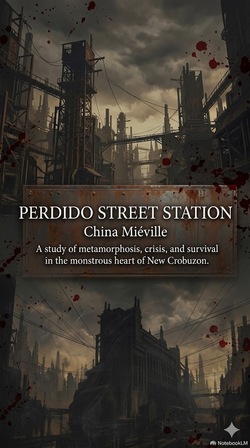
Set in the gritty, steam-punk infused metropolis of New Crobuzon—a chaotic melting pot of humans, insectoid khepri, bird-like garuda, and modified cyborgs—*Perdido Street Station* follows ragtag scientist Isaac Dan der Grimnebulin, khepri artist Lin, and exiled garuda Yagharek. When Isaac takes on Yagharek’s desperate request to restore his flight, and Lin is coerced into creating a sculpture for the grotesque crime lord Motley, their lives collide with a terrifying threat: a mysterious caterpillar that mutates into slake moths, nightmarish creatures that feed on subconscious minds, unleashing a city-wide plague of hallucinatory nightmares. As the city spirals into chaos, Isaac, Lin, and their allies must navigate political corruption, ancient magical entities, and rogue machine intelligences to stop the moths from devouring New Crobuzon’s collective sanity. Miéville weaves a dark, vivid tale of survival, ambition, and the fragile line between science and magic in a world where nothing is as it seems.

New CrobuzonSlake MothsIsaac Dan der GrimnebulinLinYagharek
Aesthetic Theory
Loading…

Aesthetic Theory

Theodor W. Adorno

4.4671 learners

Theodor W. Adorno’s *Aesthetic Theory*—a cornerstone of Frankfurt School Critical Theory—delivers a radical reevaluation of art’s purpose in modern capitalist society. Grounded in his negative dialectics, this seminal work dismantles traditional aesthetic frameworks to explore the tense, dialectical interplay between artistic autonomy and social critique. Adorno argues that art’s true power lies in its ability to expose systemic alienation: modern art, with its embrace of ugliness, fragmentation, and anti-harmony, uncovers the contradictions of a world dominated by instrumental reason and mass-produced cultural goods. He dissects how the cultural industry dulls critical thinking through standardized, commodified content, yet also acknowledges its latent subversive potential. Blending Kantian aesthetics, Hegelian dialectics, and Marxist social analysis, Adorno frames art as a repository of truth that resists commodification, offering a glimmer of spiritual refuge amid modernity’s dehumanizing forces. This text remains essential for anyone seeking to grasp art’s critical function in an increasingly alienated world.

Modern ArtCritical TheoryNegative DialecticsTruth ContentCultural Industry
Insight

Critical Theory Outdated

Traditional critical theory (focused on class struggle) can’t explain liquid modernity’s problems like individual insecurity—it needs to adapt.

modernityCritical TheorySocial Theory
No more