
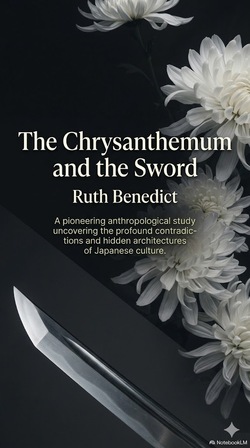
The Chrysanthemum and the Sword
During World War II, anthropologist Ruth Benedict took on a critical mission: unravel the enigma of Japanese culture to help the U.S. navigate its Pacific enemy. Barred from traveling to Japan, she relied on interviews with Japanese-Americans, analysis of Japanese films and literature, and cross-cultural comparisons to decode the nation’s seemingly contradictory traits—polite yet ruthless, traditional yet innovative, loyal yet adaptable. Benedict breaks down Japan’s core cultural pillars: the rigid hierarchy that shapes every social interaction, the complex system of 'on' (gratitude/debt) and 'giri' (obligation) governing relationships, shame-based morality dictating behavior, and unique self-cultivation practices tied to Zen Buddhism. She also explores how these norms influenced Japan’s wartime actions and made the U.S.’s post-war occupation strategy (working through existing institutions like the Emperor) surprisingly effective. This landmark work remains a go-to guide for understanding the cultural logic behind Japan’s most puzzling behaviors.