

The Gift of Therapy
Loading…

The Gift of Therapy

Irvin D. Yalom

4.3949 learners

Drawing from 45 years of groundbreaking clinical work, Irvin D. Yalom’s *The Gift of Therapy* redefines psychotherapy by moving beyond rigid techniques and diagnostic labels to center on the authentic, healing bond between therapist and client. Yalom challenges outdated models like the "blank screen" approach, arguing that therapists must embrace intentional vulnerability and self-disclosure—rooted in the client’s needs—to foster trust. He emphasizes the power of the "here and now," using in-session interactions to uncover clients’ core relational patterns, and explores existential themes of death, freedom, meaning, and responsibility that underpin many psychological struggles. Through vivid, real-world case studies, Yalom offers actionable guidance: from navigating therapeutic boundaries to using dreams as windows into the subconscious, and from validating clients’ dark human impulses to helping them embrace life’s impermanence. At its core, the book frames therapy not as a fix, but as a shared journey where both parties grow together, removing barriers to each person’s innate drive toward self-actualization.
AuthenticityEmpathyDream AnalysisExistential psychotherapyTherapeutic relationship
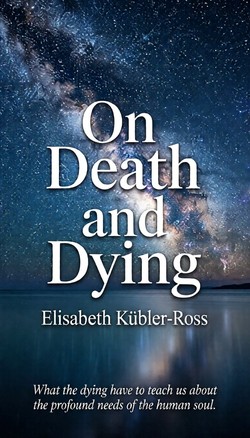
On Death and Dying: What the Dying Have to Teach Doctors, Nurses, Clergy and Their Own Families
Loading…

On Death and Dying: What the Dying Have to Teach Doctors, Nurses, Clergy and Their Own Families

Elisabeth Kübler-Ross

0884 learners

Based on groundbreaking interviews with terminally ill patients, *On Death and Dying* explores the universal fear of death in modern society, tracing its roots to medical advancements that have distanced death from daily life and normalized avoidance. The book introduces the five pivotal stages of end-of-life psychological adjustment—denial, anger, bargaining, depression, and acceptance—offering profound insights into how patients navigate grief, fear, and hope. It also examines the toll of terminal illness on families, the barriers to honest communication between doctors and patients, and the critical need for interdisciplinary, compassionate care. Through real-world case studies and reflections from medical professionals, it challenges the medical field to prioritize patient dignity and emotional support over purely technical interventions, urging doctors to learn from the dying to transform end-of-life care into a humane, respectful experience.

AcceptancedenialAngerdepressionDeath anxiety
No more