
The City of God (Books 1-10)
Loading…

The City of God (Books 1-10)

Saint Augustine

4.71199 learners

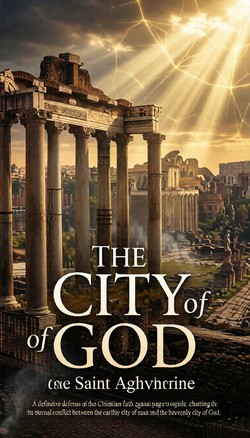
In 410 CE, when Gothic invaders sacked Rome, pagan critics blamed the disaster on Christianity’s rejection of traditional gods. In *The City of God* Books 1-10, Saint Augustine delivers a sharp, evidence-driven defense of his faith, dismantling pagan claims with historical context and theological rigor. He contrasts the safety Christian churches provided refugees during the sack—an act of mercy unheard of in pagan temple history—with the impotence of Rome’s gods, who failed to protect even their own sacred sites like Troy. Augustine dissects the moral decay of pagan rituals, from obscene theater offerings to violent temple practices, and argues Rome’s greatness stemmed from human ambition, not divine favor. He explores the tension between the City of God (the faithful community seeking eternal life) and the Earthly City (worldly pursuits of power and pleasure), delves into free will vs. fatalism, engages with Platonist philosophy, and establishes Christ as the only legitimate mediator between humanity and God, laying foundational groundwork for Christian political and theological thought.
RedemptionFree WillDivine ProvidenceSaint AugustineCity of God
The Consolation of Philosophy
Loading…

The Consolation of Philosophy

Ancius Boethius

4.3470 learners

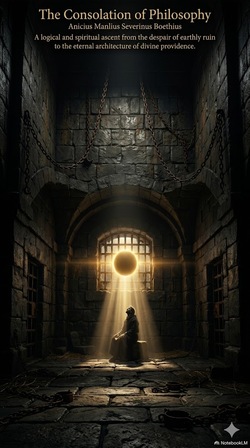
Written by Boethius while imprisoned and facing execution, *The Consolation of Philosophy* is a timeless dialogue between the disgraced statesman and the personified Lady Philosophy. As Boethius wallows in despair over his unjust fall from power, Lady Philosophy arrives to dismantle his obsession with fleeting worldly goods—wealth, fame, and political status. She guides him through rigorous reasoning and poetic allegory to uncover that true happiness lies not in external fortunes, but in the pursuit of universal goodness rooted in divine wisdom. The text explores core philosophical questions: the illusion of fate vs. the order of divine providence, the inherent powerlessness of evil, the unshakable reward of virtue, and how human free will coexists with God’s omniscience. More than a philosophical treatise, it is a profound comfort for anyone grappling with adversity, reminding readers that inner virtue and connection to eternal truth are the only unshakable sources of peace.

VirtuefateFree WillEvilBoethius
Concept

Divine Providence

God's providence uses suffering to test the righteous and punish the wicked. It reveals true character—like fire purifies gold or burns chaff.

SufferingProvidenceDivine Plan
No more