
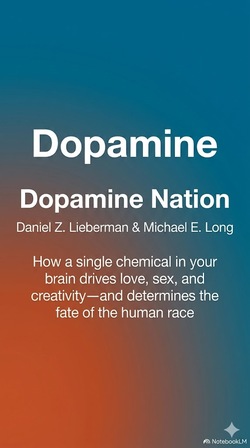
The Molecule of More
Loading…

The Molecule of More

Daniel Z. Lieberman;Michael E. Long

4.31239 learners

In *The Molecule of More*, neuroscientists Daniel Z. Lieberman and Michael E. Long demystify dopamine—once mislabeled the "pleasure molecule," but actually the brain’s relentless engine for "more." They break down how this single chemical drives everything from the inevitable fade of romantic passion (when thrilling new possibilities turn into routine) to destructive addictive behaviors, where the urge to want overrides the joy of liking. The book explores dopamine’s dual roles: fueling genius and creativity (linking it to both groundbreaking innovations and mental illness) while shaping political ideologies—liberal thinkers lean into its future-focused drive, conservatives prioritize present-focused stability. It also traces dopamine’s role in human migration, showing how a specific genetic variant helped our ancestors thrive in uncharted lands. Finally, Lieberman and Long argue that true happiness comes from balancing dopamine’s endless pursuit of tomorrow with the quiet joy of present-molecule-driven moments, like deep connection or hands-on creativity.
CreativityAddictionLoss Aversionlife balanceADHD
Brain Repair
Loading…

Brain Repair

Yao Nailin

3.4919 learners

Brain Repair demystifies the intricate connection between brain science and mental health, turning cutting-edge research into actionable advice for everyday struggles and serious neurological conditions. Drawing on real-life anecdotes and rigorous studies, this book breaks down common issues like depression, anxiety, sleep disorders, and addiction, explaining their biological roots—from neurotransmitter imbalances to brain structure changes. It also explores lesser-known topics, including mental resilience, memory enhancement, and the surprising links between gut health, immunity, and brain function. Readers will learn evidence-based strategies to boost cognitive focus, manage procrastination, and nurture brain plasticity at every age. Whether you’re dealing with mild stress or curious about protecting your brain long-term, Brain Repair makes hard science relatable, empowering you to take control of your mental and neurological well-being.

NeuroplasticityMental ResilienceAnxiety disordersdepressionCognitive Behavioral Therapy
The Truth of Focus
Loading…

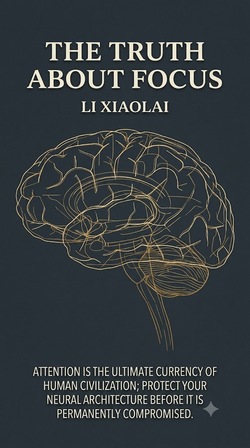
The Truth of Focus

Li Xiaolai

3.5538 learners

In 'The Truth of Focus', Li Xiaolai demystifies the pervasive dopamine myth—this brain chemical isn’t a 'pleasure molecule' but a precision motivation engine driving human curiosity and progress. He reveals how modern technologies, from smartphones to short-video platforms, hijack the brain’s dopaminergic system by exploiting 'predictive errors', fragmenting average attention spans to just 47 seconds and causing irreversible organic brain damage. For developing children, this hijacking is especially devastating, turning their still-maturing brains into 'unfinished buildings' with lifelong cognitive impacts. Xiaolai frames attention as the most scarce and valuable resource in the information age, the key dividing line between those who thrive through deep learning and creation and those trapped in a cycle of mindless scrolling. He offers actionable, science-backed strategies to reclaim control: using positive habits to crowd out addictive behaviors, leveraging fear as a natural defense against temptation, retelling key ideas to 'reprogram' your brain’s values, and prioritizing sleep, movement, and real-world connections over endless online noise. This book isn’t just about sharpening focus—it’s about protecting your brain’s health, building intentionality, and securing your ability to lead a meaningful, productive life.

Brain PlasticityDopaminergic SystemPredictive ErrorAttention SpanValue Hierarchy
Scenario

Sean & Samantha's Love

Sean fell hard for Samantha (dopamine high from newness). Honeymoon ended, passion faded—dopamine stopped as love moved from far to near space. They later found joy in present moments.

RelationshipsLoveDopamine
Concept

Low Latent Inhibition

People with this can't ignore small details. It can spark creativity (artists) or madness (schizophrenia) depending on dopamine regulation.

Mental HealthCreativityDopamine
Insight

Love Needs Present Molecules

Passionate love (dopamine) lasts 12-18 months. To keep love alive, switch to companionate love—focus on present moments instead of chasing new thrills.

RelationshipsLoveDopamine
Concept

Loss Aversion

Losing hurts more than gaining feels good. Dopamine drops more when losing than it rises when winning—this makes people avoid risks even if rewards are bigger.

PsychologyDecision MakingDopamine
Quote

Dream is Short Madness

Dream is a short madness, and madness is a long dream. Schopenhauer's quote links dreams (dopamine unbound) to schizophrenia (unregulated dopamine).

Mental HealthDreamsDopamine
Concept

Variable Reward

Unpredictable rewards (social, information, achievement) that trigger dopamine release, keeping users engaged and coming back.

EngagementReward
View

Variable Rewards Drive Addiction

Unpredictable rewards keep users craving more, as they trigger dopamine release in the brain.

EngagementAddiction
Method

Deliberate Discomfort

Do 15 minutes of voluntary discomfort daily (like cold showers or fast walking in sun). This resets your brain’s reward system and reduces dopamine dependency.

PsychologyEnergySelf-Discipline
Concept

Near & Far Space

Your brain splits the world into near (now, handled by oxytocin) and far (future, handled by dopamine). Love fades when it moves from far (new) to near (routine).

RelationshipsBrain FunctionDopamine
Concept

Want vs Like Difference

'Want' is dopamine-driven desire for future things; 'Like' is present molecules (endorphins) for current pleasure. Addicts want drugs but don't like them—this split fuels addiction.

PsychologyAddictionDopamine
Scenario

Parkinson Drug & Gambling

Ian, a Parkinson patient, took cabergoline and became addicted to gambling—losing $100k. Stopping the drug reversed the addiction, showing dopamine's role in compulsive behavior.

Case StudyAddictionDopamine
Insight

Balance Dopamine & Present

Too much dopamine leads to chasing 'more' (addiction, unhappiness). Too much present focus leads to no progress. Balance both for a fulfilling life.

Happinesslife balanceDopamine
Insight

Dopamine & Political Views

Liberals (high dopamine) love change & abstract ideas; conservatives (high present molecules) value tradition & safety. Threats make people more conservative.

PoliticsPsychologyDopamine
Scenario

Captain's Crisis Response

A captain's ship lost steering in a storm. Panic hit first, but he activated dopamine control—sent SOS, used sails, fixed steering with his foot, saving the crew.

Decision MakingCrisisDopamine
Concept

Dopamine Control Circuit

This frontal lobe circuit balances desire. It helps plan, resist impulses, and turn dreams into reality—like a student researching to buy the right car.

BrainSelf-ControlDopamine
Scenario

Andrew's Addiction Cycle

Andrew chased one-night stands—dopamine spiked during pursuit but dropped after. He tried to quit but couldn't; his desire circuit was hijacked by the thrill.

RelationshipsAddictionDopamine
Concept

Dopamine & Addiction

Dopamine drives desire, not pleasure. Addicts seek substances for intense desire (from dopamine) rather than enjoyment. E.g., Parkinson patient Xiao Mu's gambling after meds.

AddictionBrainDopamine