The Metamorphosis
Loading…

The Metamorphosis

Franz Kafka

4.51343 learners

Franz Kafka’s *The Metamorphosis* is a haunting, surreal masterwork that lays bare the quiet cruelty of alienation and family duty. When traveling salesman Gregor Samsa wakes up one morning trapped in the body of a giant beetle, his world collapses—not just because of his physical transformation, but because of his family’s shifting reactions. At first, his mother, father, and sister show tentative concern, but as Gregor can no longer work to support their debt-ridden household, their care curdles into disgust and resentment. Trapped in his room, Gregor grapples with his loss of identity, his unfulfilled dreams (like sending his sister to music school), and the slow erosion of the love he once took for granted. Kafka’s sparse, visceral prose turns this absurd premise into a raw meditation on what it means to be seen, valued, and discarded in a world that reduces people to their productivity. By the story’s tragic end, Gregor’s death brings his family a twisted sense of relief, forcing readers to confront the harsh truth of how easily we can become invisible to those we love most.

Alienationexistential despairGregor SamsaMetamorphosisFamily Obligation
The Unbearable Lightness of Being
Loading…

The Unbearable Lightness of Being

Milan Kundera

3.71251 learners

Milan Kundera’s *The Unbearable Lightness of Being* weaves a haunting exploration of existential duality through four interconnected lives against the backdrop of 1960s Czechoslovakia. Rooted in Nietzsche’s concept of eternal return—where the absence of repetition renders life fleeting and unweighted—the novel grapples with the tension between lightness (freedom, betrayal) and weight (commitment, responsibility). Thomas, a philandering surgeon, struggles to reconcile his desire for sexual freedom with his love for Tereza, a fragile waitress haunted by her past. Sabina, an artist fleeing political and personal constraints, embraces betrayal as a form of rebellion, while her lover Franz chases a romanticized vision of justice. Kundera also dissects 'kitsch'—the universal urge to sanitize life’s messy truths—exposing it as an inescapable human condition. Blending philosophical inquiry with intimate storytelling, the novel challenges readers to confront the paradox of choosing meaning in a world where every act is irreversible and unrepeatable.

BetrayalEternal ReturnLightness vs. WeightKitschExistential Choice
Franz Kafka: A Biography
Loading…

Franz Kafka: A Biography

Max Brod

4.6879 learners

Written by Max Brod, Kafka’s closest lifelong friend, *Franz Kafka: A Biography* shatters the myth of the reclusive, despairing genius to reveal the real man behind the iconic works. Drawing on intimate conversations, unpublished letters, and firsthand observations, Brod traces Kafka’s life from his Prague childhood dominated by his tyrannical father—whose shadow shaped *The Metamorphosis* and *The Trial*—to his struggles with unfulfilled love, soul-crushing office work, and debilitating illness. He highlights Kafka’s hidden warmth, dry humor, and relentless dedication to writing as a form of prayer, while exploring how his Jewish identity, friendships, and fleeting moments of happiness (like his late-life relationship with Dora Diamant) fueled his unparalleled literary vision. This biography offers an unfiltered look at the man who turned personal anguish into universal tales of alienation and hope.

Jewish identityPragueliterary geniusThe CastleFranz Kafka
The Castle
Loading…

The Castle

Franz Kafka

4.1459 learners

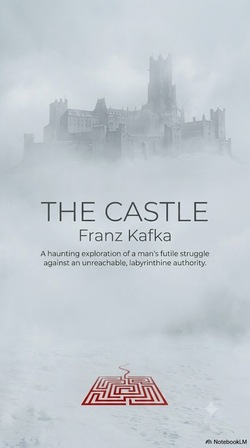
K, a land surveyor, arrives uninvited at a remote village huddled beneath the imposing, unreachable Castle, only to find himself trapped in a labyrinth of bureaucratic absurdity. Tasked with a job the village insists it never requested, he navigates a world where rules shift without warning, officials are maddeningly unreachable, and villagers oscillate between suspicion and reluctant aid. His desperate quest to gain entry to the Castle—and thus validate his identity and purpose—leads him into tangled relationships: with Frieda, a former barmaid who becomes his fiancée; the Barnabas family, whose ties to the Castle are fraught with hidden trauma; and petty bureaucrats who toy with his fragile hopes. As K’s efforts to break through the Castle’s impenetrable barriers grow increasingly futile, Franz Kafka’s masterpiece lays bare the existential dread of an individual pitted against an indifferent, dehumanizing system, posing profound questions about identity, belonging, and the illusion of control.

Identity CrisisbureaucracyExistential AlienationKThe Castle
Scenario

Sabina Leaves Franz

Sabina leaves Franz without a note—she can’t stand his commitment’s weight or their relationship’s kitsch. She chooses to keep moving, avoiding ties that might bind her.

FreedomBetrayalIsolation
Franz Kafka

Franz Kafka

Author
No more