The Idiot
Loading…

The Idiot

Fyodor Dostoevsky

4.41215 learners

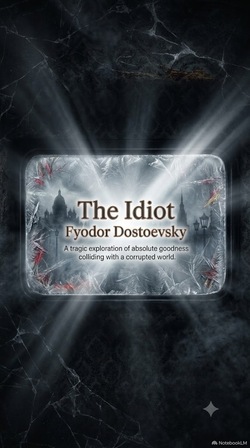
Returning to 19th-century St. Petersburg after years of epilepsy treatment in Switzerland, the penniless, naive Prince Myshkin seeks refuge with distant relatives. Almost immediately, he is drawn into a tangled web of passion, greed, and moral decay centered on the fiery, self-destructive Nastasya Filippovna—coveted by the obsessive millionaire Parfyon Rogozhin and the social-climbing Ganya Ivolgin. As Myshkin navigates high society’s hypocrisies, he falls for the sharp-witted, privileged Aglaya Yepanchina, sparking a devastating love triangle. His unique perspective, shaped by illness and innocence, exposes the dark underbelly of the era’s elite, but his inability to resolve conflicting demands of love and compassion leads to tragedy: Nastasya’s murder by Rogozhin, Aglaya’s ruinous marriage, and Myshkin’s descent back into mental illness. Dostoevsky’s masterpiece explores goodness’s fragility in a world corrupted by greed and cruelty.
EpilepsyMoral Dilemma19th-century Russian societyPrince MyshkinNastasya Filippovna
Crime and Punishment
Loading…

Crime and Punishment

Fyodor Dostoevsky

4.5914 learners

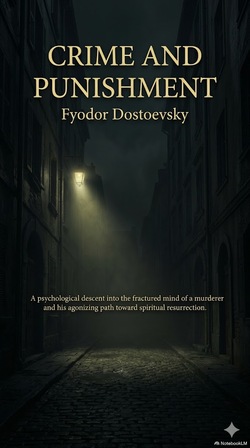
Set in the gritty, poverty-stricken streets of 19th-century St. Petersburg, Fyodor Dostoevsky’s *Crime and Punishment* follows Rodion Raskolnikov, a disillusioned ex-law student trapped in destitution. Tormented by a radical theory that divides humanity into “ordinary” followers and “extraordinary” men who can break moral rules for a greater purpose, Raskolnikov plots to murder a cruel pawnbroker, seeing her as a “useless parasite.” But the act unleashes crippling guilt and paranoia, as he grapples with the consequences of his crime. Guided by the selfless faith of Sonia Marmeladova, a destitute prostitute who sacrifices everything for her family, Raskolnikov confronts his moral decay, abandons his twisted ideology, and embarks on a painful journey toward redemption—first through a public confession, then through years of hard labor in Siberia. A searing exploration of guilt, existential struggle, and the power of compassion, this classic exposes the fragility of human morality and the hope of atonement.

PovertyRedemptionSt. PetersburgAtonementRodion Raskolnikov
The Brothers Karamazov
Loading…

The Brothers Karamazov

Fyodor Dostoevsky

4.5733 learners

Fyodor Dostoevsky’s magnum opus, *The Brothers Karamazov*, plunges readers into the chaotic, soul-baring world of the Karamazov family in 19th-century Russia. At its core lies the brutal murder of Fyodor Karamazov, a greedy, neglectful patriarch who pits his three sons against one another: hot-headed Dmitri, consumed by rage and lust; Ivan, a brilliant nihilist grappling with the question of God’s existence; and Alyosha, a gentle, devout monk-in-training clinging to faith amid chaos. As the murder investigation unfolds, the novel transcends a simple whodunit, delving into searing debates about morality, free will, redemption, and the nature of evil. Through intense dialogue, vivid characters, and a gripping trial, Dostoevsky lays bare the contradictions of human nature—how virtue and vice coexist in every soul—and challenges readers to confront their own beliefs about faith, guilt, and what it means to be human.

FaithRedemptionFyodor KaramazovDmitri KaramazovIvan Karamazov
Three Masters
Loading…

Three Masters

Stefan Zweig

4.3629 learners

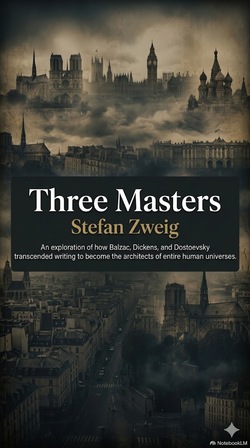
Stefan Zweig’s *Three Masters* delivers a vivid, soul-stirring exploration of three 19th-century literary titans—Honoré de Balzac, Charles Dickens, and Fyodor Dostoevsky—unpacking the fiery passions, crippling struggles, and relentless obsessions that shaped their groundbreaking work. Zweig goes beyond dry biography, diving into the core of each writer’s identity: he reveals how Balzac’s Napoleon-like ambition birthed the sprawling *La Comédie Humaine*, a literary empire capturing every facet of French society. He celebrates Dickens’ warm, populist humor and his quiet power to reform Victorian England, from pushing for better workhouse conditions to sparking empathy for the marginalized. Most profoundly, he examines Dostoevsky’s brutal journey through poverty, prison, and epilepsy, framing his suffering as the crucible for his unflinching exploration of human darkness, faith, and redemption. Blending sharp literary analysis with intimate storytelling, Zweig illuminates how each master turned life’s chaos into timeless art, making this book an essential read for anyone seeking to understand the heart of great literature.

Social ReformHonoré de BalzacCharles DickensFyodor DostoevskyLa Comédie Humaine
Fyodor Dostoevsky

Fyodor Dostoevsky

Author
No more