Weak Communication
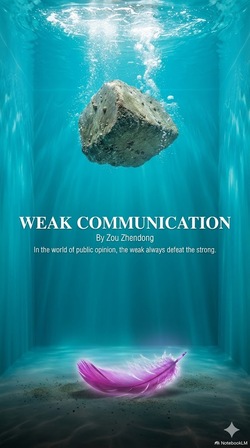
Weak Communication upends traditional communication theory with a radical framework for understanding public opinion’s hidden rules. Unlike most guides that fixate on message delivery tactics, this book explores the *inverted nature* of the public sphere: where real-world power (money, status, authority) becomes a liability, and perceived weakness drives engagement. It introduces the groundbreaking "Weak Communication Hypothesis" and four core laws: the Weak Theorem (elites start at a disadvantage in public discourse), Emotional Law (emotion always outperforms logic), Light Rule (simple, playful content spreads fastest), and Sub-theory (slightly rebellious near-mainstream narratives dominate attention). Using relatable U.S.-centric examples—from Donald Trump’s 2016 underdog campaign to corporate CEOs facing backlash for tone-deaf disaster responses—it shows how politicians, business leaders, and everyday people can leverage these rules to win support, navigate crises, and build meaningful connections. It’s not just academic theory; it’s a practical playbook for mastering the unspoken logic of public attention.