
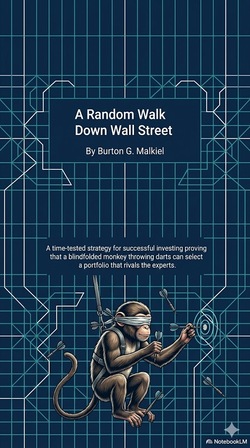
A Random Walk Down Wall Street
Burton G. Malkiel’s *A Random Walk Down Wall Street* demystifies investing chaos by centering the random walk concept—short-term stock price movements are entirely unpredictable, making technical analysis and market timing futile. Malkiel contrasts two foundational theories: the Firm Foundation approach, which focuses on calculating a stock’s intrinsic value, and the Castle in the Air strategy, which leverages market sentiment. He dissects historic speculative bubbles, from Tulip Mania to the 2008 housing crash, to illustrate how irrational investor behavior fuels market extremes. Backed by the Efficient Market Hypothesis, the book argues most active fund managers fail to outperform broad market indices long-term. It also explores Modern Portfolio Theory, behavioral finance biases, and practical tactics for everyday investors: building diversified portfolios, using low-cost index funds, aligning asset allocation with life stages, and following tax-efficient saving plans. Whether novice or seasoned, this guide delivers actionable insights to build sustainable wealth while avoiding common pitfalls.