
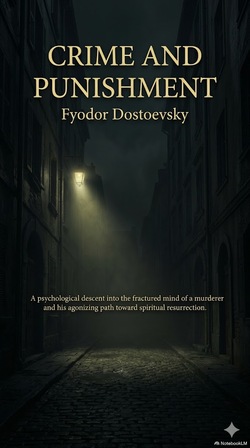
Crime and Punishment
Set in the gritty, poverty-stricken streets of 19th-century St. Petersburg, Fyodor Dostoevsky’s *Crime and Punishment* follows Rodion Raskolnikov, a disillusioned ex-law student trapped in destitution. Tormented by a radical theory that divides humanity into “ordinary” followers and “extraordinary” men who can break moral rules for a greater purpose, Raskolnikov plots to murder a cruel pawnbroker, seeing her as a “useless parasite.” But the act unleashes crippling guilt and paranoia, as he grapples with the consequences of his crime. Guided by the selfless faith of Sonia Marmeladova, a destitute prostitute who sacrifices everything for her family, Raskolnikov confronts his moral decay, abandons his twisted ideology, and embarks on a painful journey toward redemption—first through a public confession, then through years of hard labor in Siberia. A searing exploration of guilt, existential struggle, and the power of compassion, this classic exposes the fragility of human morality and the hope of atonement.