
China's Motor
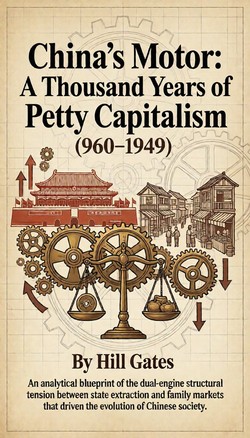
For two decades, anthropologist Hill Gates immersed herself in the daily lives of hundreds of Taipei residents, unlocking the hidden engine of Chinese society in *China's Motor*. She challenges outdated Eurocentric and Sinocentric frameworks, arguing that the clash and coexistence of two distinct production systems—tribute-based feudalism and petty capitalism—have shaped China from late imperial times to the present. Gates breaks down how these systems molded everything from urban planning (debunking G. William Skinner’s market-centric model) to kinship structures, marriage practices, and gender dynamics. She shows how state-controlled tribute systems extracted wealth through taxes and forced labor, while petty capitalism thrived on family/clan networks, prioritizing local trust and flexible labor over formal corporate structures. This book redefines global capitalism studies, highlighting East Asia’s unique trajectory and offering a cross-cultural framework bridging Marxist theory and anthropological fieldwork.