The City of God (Books 1-10)
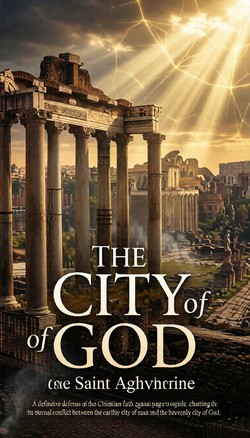
In 410 CE, when Gothic invaders sacked Rome, pagan critics blamed the disaster on Christianity’s rejection of traditional gods. In *The City of God* Books 1-10, Saint Augustine delivers a sharp, evidence-driven defense of his faith, dismantling pagan claims with historical context and theological rigor. He contrasts the safety Christian churches provided refugees during the sack—an act of mercy unheard of in pagan temple history—with the impotence of Rome’s gods, who failed to protect even their own sacred sites like Troy. Augustine dissects the moral decay of pagan rituals, from obscene theater offerings to violent temple practices, and argues Rome’s greatness stemmed from human ambition, not divine favor. He explores the tension between the City of God (the faithful community seeking eternal life) and the Earthly City (worldly pursuits of power and pleasure), delves into free will vs. fatalism, engages with Platonist philosophy, and establishes Christ as the only legitimate mediator between humanity and God, laying foundational groundwork for Christian political and theological thought.