Nazi Literature in the Americas
Loading…

Nazi Literature in the Americas

Roberto Bolano

4.3885 learners

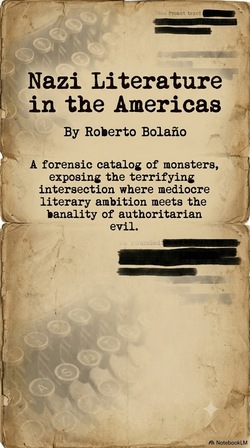
In *Nazi Literature in the Americas*, Roberto Bolaño delivers a wildly inventive, darkly satirical collection of fictional biographies that delves into the twisted overlap of Nazism and literary culture across North and South America. Spanning the 20th century, the book introduces a cast of bizarre, unsettling figures: a wealthy Argentine socialite who aligns with Hitler after a personal audience, a Colombian poet-soldier who dies fighting for the Third Reich, an American prison writer tied to the Aryan Brotherhood, and a Chilean poet-murderer who uses aerial stunts to spread fascist propaganda. Each portrait blends absurdity with chilling realism, exposing how extremist ideologies infiltrate artistic circles and warp personal lives. Bolaño’s sharp, unflinching prose doesn’t just mock these eccentric characters—it probes the dangerous allure of power, the complicity of silence, and the fragile line between creativity and corruption. A singular work of literary fiction, it’s equal parts entertaining and unsettling, forcing readers to confront the hidden ugliness lurking within even the most refined cultural spaces.
Black HumorTotalitarianismNazi literatifictional biographiesAmerican literary landscape
By Night in Chile
Loading…

By Night in Chile

Roberto Bolano

4710 learners

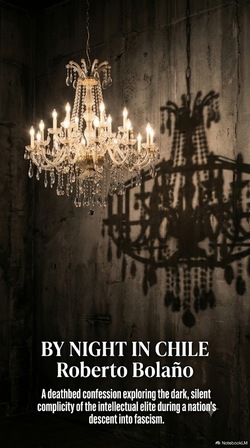
On his deathbed, Sebastián Urrutia Lacroix, a Chilean priest and literary critic, spills his tangled, guilt-ridden memories of mid-20th-century Chile. From his teenage call to the priesthood to his fateful meeting with literary icon Don Faverel and a surreal run-in with Pablo Neruda, Sebastián’s life weaves through the country’s vibrant literary circles and its brutal political collapse. He recounts quiet compromises: teaching Marxism to Pinochet’s generals to survive, turning a blind eye to atrocities at a wealthy patron’s salon, and letting his silence eat away at his soul. Part confession, part literary manifesto, this raw, darkly humorous narrative lays bare the cost of moral cowardice in a nation torn apart by dictatorship—asking whether literature can ever truly save us from the horrors we choose to ignore.

Political Repressionmoral compromiseLiterary CriticismSebastián Urrutia LacroixPinochet Regime
2666
Loading…

2666

Roberto Bolano

4.5562 learners

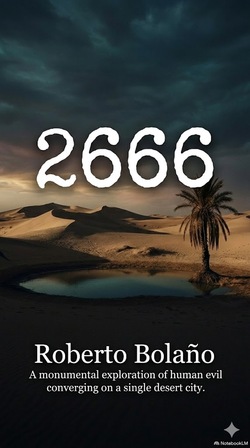
Roberto Bolaño’s sprawling epic *2666* weaves five interconnected narratives spanning continents and decades, exploring the dark intersections of literature, violence, and human loneliness. First, four European literary critics obsess over tracking down Benno von Archimboldi, a reclusive German writer whose elusive identity fuels their intellectual obsession and personal entanglements. Next, Chilean philosopher Amalfitano drifts in the desolate Mexican border city of Santa Teresa, haunted by his past and the city’s simmering chaos. Journalist Oscar Fate arrives to cover a boxing match, only to stumble into the city’s underbelly and help a young woman escape abuse. The harrowing fourth section delves into the relentless serial murders of hundreds of women in Santa Teresa, exposing systemic corruption and societal indifference. Finally, the novel unspools Archimboldi’s own story—from his German childhood and WWII experiences to post-war exile and eventual disappearance. Blending gritty realism, existential depth, and literary mystery, *2666* is a searing examination of violence’s hold on societies and the quiet resilience of survivors.

Exilelonelinesswar traumaBenno von ArchimboldiSanta Teresa
Roberto Bolano

Roberto Bolano

Author
No more