

Eat That Frog!
Loading…

Eat That Frog!

Brian Tracy

4.3913 learners

Brian Tracy’s *Eat That Frog!* is a timeless guide to beating procrastination and mastering time management, anchored by the vivid metaphor: if you eat a live frog first thing in the morning, nothing worse will happen the rest of your day. This means tackling your most critical, daunting task first to build momentum and wipe out overwhelm. Tracy lays out actionable, no-nonsense strategies to supercharge productivity: a 7-step goal-setting framework that turns vague wishes into concrete plans, leveraging the 80/20 Principle to focus on the 20% of tasks driving 80% of results, and the ABCDE prioritization system to sort tasks by urgency and impact. He also shares creative procrastination to cut low-value work, task breakdown techniques for large projects, and tips to balance productivity with personal well-being—prioritizing family, health, and rest to sustain long-term success. Packed with real-world examples and easy-to-implement steps, this book transforms how you approach each day, helping you build discipline, reduce stress, and achieve your biggest goals faster.

time managementProductivityWork-Life BalanceGoal Setting80/20 Principle
Biography of Zeng Guofan
Loading…

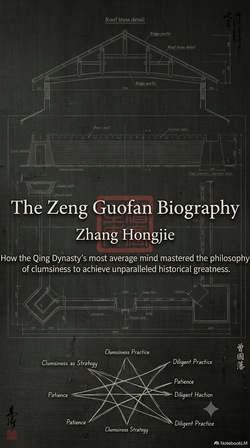
Biography of Zeng Guofan

Zhang Hongjie

4.8896 learners

This biography traces the extraordinary life of Zeng Guofan, a late Qing Dynasty statesman who rose from a humble rural family to become one of China’s most revered historical figures. Starting with his grueling journey through imperial examinations—failing seven times before finally securing a position in the capital—Zeng’s story is defined by relentless self-improvement. He transformed his unruly habits through rigorous daily reflection and discipline, ascending rapidly in the imperial bureaucracy before facing political setbacks that pushed him to build the formidable Hunan Army. Leading this force, he crushed the Taiping Rebellion, saving the Qing Dynasty from collapse, yet strategically retreated from power to avoid imperial suspicion. Later, he pioneered China’s early Westernization efforts, founding military factories and launching the first student exchange program to the U.S. His life embodies the clash of traditional Confucian values and modernizing forces, offering timeless lessons on resilience, leadership, and navigating unprecedented change.

Late Qing DynastyTaiping RebellionZeng Guofanself-cultivationofficial career
The Players Handbook
Loading…

The Players Handbook

Heidi Murkoff

3.6643 learners

This book isn’t about teaching you to be an over-the-top “alpha bro”—it’s your actionable guide to cultivating the grounded, confident, and magnetic traits of a true alpha male. Heidi Murkoff breaks down core myths surrounding alpha identity, explaining these qualities aren’t innate but can be built through intentional practice and mindset shifts. You’ll first confront self-limiting patterns holding non-alpha men back: crippling self-doubt, social anxiety, and lack of life control that drains potential and opportunities. Then, you’ll walk through step-by-step strategies to rebuild your foundation: from fostering self-respect and emotional resilience to mastering assertive communication, disciplined fitness, and meaningful intimate relationships. Packed with practical exercises and real-world insights, this handbook guides you on a continuous growth journey, helping you shed self-defeating habits, conquer fear, and become a leader who commands respect through integrity, empathy, and unshakable self-assurance.

Mindfulness MeditationGoal SettingSelf-CompassionSelf-DisciplineSelf-Respect
View

Avoid Short-Term Thinking

Prioritizing immediate gains (skipping exercise) hurts long-term goals (health). Use future perspective to make better choices.

Self-DisciplineLong-Term Planning
View

Procrastination is Self-Created

Procrastination isn’t caused by others—it’s your choice to delay. Using ‘later’ as an excuse only increases anxiety.

ProcrastinationSelf-Discipline
Scenario

Wang Shi’s Mountaineering Discipline

Wang Shi strictly follows rules in mountaineering—e.g., no staying outside tent after time, eating all food to save energy—shows his self-discipline.

Self-DisciplineMountaineeringWang Shi
Scenario

Asian American Success Case

Asian Americans outperform academically due to self-discipline and hard work, not just IQ.

Self-DisciplineAcademic SuccessCultural Factors
Concept

Freedom & Responsibility Culture

Netflix’s core culture that trusts employees to act with self-discipline based on shared goals, instead of restricting them with tons of trivial rules and approval processes.

AutonomyCorporate CultureNetflix
Method

12 Daily Self Rules

Zeng's 12 self-discipline standards: stay respectful, meditate daily, wake up early, finish one book before next, read 10 history pages, speak cautiously, cultivate noble spirit, control desire, record new knowledge, review old work, practice calligraphy, no useless night out.

DisciplineDaily Routineself management
Method

Deliberate Discomfort

Do 15 minutes of voluntary discomfort daily (like cold showers or fast walking in sun). This resets your brain’s reward system and reduces dopamine dependency.

PsychologyEnergySelf-Discipline
Golden Sentence

Market Doesn't Care Quote

"The market doesn't care about your existence. You can't control it—only your own actions." Focus on self-discipline.

Self-ControlMarket Reality
Golden Sentence

Interest & Discipline Unity

"Interest and discipline are not opposites; they are two sides of the same coin." Interest drives focus, discipline keeps you on track—both are needed.

Learning MotivationSelf-DisciplineDewey's Ideas
Insight

Newton's Law For Habits

Inertia works for your habits too. Once you push yourself to start a good habit and stick to it for a while, the inertia will carry you forward automatically, making the habit feel totally natural.

MotivationHabit BuildingSelf-Discipline
Golden Sentence

Greatness is Self-Management

Feng Lun says 'Greatness is managing oneself, not leading others'—e.g., Wang Shi’s self-discipline (strict schedule, no bribes) leads to Vanke’s success.

Self-ManagementGreatnessWang Shi
Method

Small Habit Building Rule

Simplify the new habit you want to build, make sure you can finish it easily, and stick to it for 21 days. The action will turn into automatic routine that costs no willpower later.

ProductivityHabit BuildingSelf-Discipline
Scenario

Feldman's Bread Ring Test

American economist Feldman left unattended bread rings in company pantries with a cash box, the payment rate reached 87%. This proves high-trust teams have far higher self-discipline than strictly monitored teams.

Behavioral EconomicsTrust Cultureself discipline