
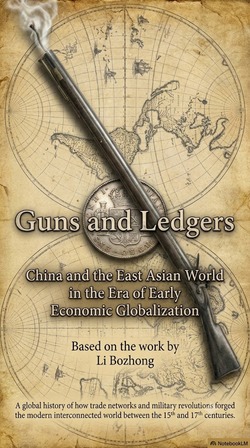
Muskets and Ledgers
From the rise of global history as a field to the untold story of early economic globalization, *Muskets and Ledgers* redefines how we view pre-17th-century East Asia. Moving beyond traditional nation-state narratives, this book weaves together two powerful forces: the spread of firearm technology (the "muskets") and interconnected global trade networks built on silver and merchant enterprise (the "ledgers"). It debunks the myth of Ming-era Chinese isolationism, revealing China as the linchpin of early global commerce—by the 18th century, half the world’s silver flowed into its coffers. The text explores shifting East Asian cultural spheres, the crippling border crises facing the late Ming, and the mixed successes of its military reforms: innovations that later propelled the Qing Dynasty to dominance, only to stagnate and set the stage for 19th-century decline. Packed with vivid case studies, from the Manila Galleon trade to the Sino-Japanese Korean War, it offers a sharp, timely look at globalization’s dual nature of opportunity and conflict.