
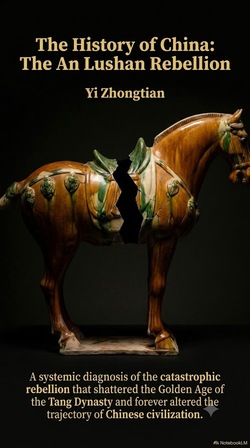
History of China: The An Shi Rebellion
Loading…

History of China: The An Shi Rebellion

Yi Zhongtian

3.61151 learners

Yi Zhongtian’s *History of China: The An Shi Rebellion* offers a gripping narrative of the Tang Dynasty’s rise, peak, and catastrophic collapse. Starting with Emperor Xuanzong’s ambitious early reign—where shrewd chancellors Yao Chong and Song Jing built the prosperous Kaiyuan Era—the book traces how imperial complacency, corrupt officials like Li Linfu and Yang Guozhong, and the rise of warlord An Lushan sparked the devastating An Shi Rebellion. Beyond the conflict, it explores the Tang’s chaotic final decades: eunuch control of the military, regional warlords (fanzhen) defying central authority, and bitter court factionalism. Woven into the political drama are insights into Tang poetry, showing Li Bai’s bold verses mirrored the dynasty’s glory, while Du Fu’s somber works reflected its unraveling. This book reveals how a once-mighty empire fell apart, offering a vivid look at power, corruption, and cultural transformation in ancient China.
Tang DynastyAn Shi RebellionEmperor XuanzongKaiyuan ProsperityLi Linfu
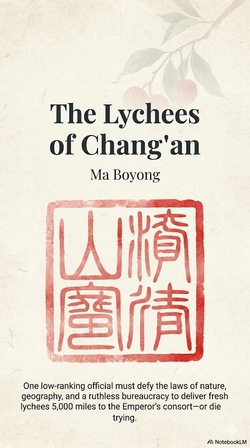
The Lychees of Chang'an
Loading…

The Lychees of Chang'an

Ma Boyong

3.81094 learners

Set in the bustling, corrupt Tang Dynasty capital of Chang’an, *The Lychees of Chang’an* follows Li Shande, a low-ranking, math-savvy government clerk who stumbles into an impossible mission: delivering fresh lychees from the tropical Lingnan region—over 3,000 miles away—to the Emperor’s favorite concubine, Yang Guifei, in just 11 days. Tasked with a death sentence if he fails, Li navigates cutthroat court politics, treacherous terrain, and bureaucratic red tape to crack the code of lychee preservation and rapid transit. Along the way, he confronts the brutal cost of imperial indulgence: exploited villagers, exhausted couriers, and broken friendships. As he succeeds against all odds, Li realizes the hollow glory of court success, choosing integrity over power and retreating to Lingnan to rebuild his life. Ma Boyong’s witty, tightly woven narrative humanizes the hidden struggles of ordinary people in a grand, unforgiving empire, offering a sharp critique of bureaucratic corruption and the price of luxury.

Yang GuifeiLi ShandeFresh Lychee DeliveryTang Dynasty BureaucracyYang Guozhong
Scenario

Sui Daxing City Layout

The Sui dynasty capital that later became Tang Chang'an, it divided the whole city into strict chessboard style blocks, separated imperial palace, government offices and residential areas, this layout influenced all later East Asian capitals for 1000 years.

Urban PlanningSui Tang
View

Post-Tang Literature Lost Vitality

After mid-Tang Dynasty, Chinese literature gradually lost its vitality. Ming and Qing poets only imitated ancient works, reflecting national spirit becoming more rigid and numb under autocracy.

literary historyCultural StagnationAutocracy Impact
Insight

Tang Architecture Unique Aesthetic

Tang dynasty architecture balances rugged power and soft elegance: dougong takes up nearly half the column height, overhanging eaves stretch far out, and the gentle roof curve creates a grand, calm, unpretentious visual effect.

Tang DynastyArchitectural Aesthetics
Insight

Ancient Piracy Is Nothing New

Book piracy is not a modern problem, it already existed as early as Tang Dynasty in China. The pirated calendars at that time even had wrong date marks that messed up farmers' farming schedules.

Tang DynastyPiracyPublishing History
Scenario

Huang Chao Exam Failure

Tang Dynasty peasant uprising leader Huang Chao failed the imperial civil service exam multiple times, his anger towards the unfair bureaucratic system eventually led to a large scale rebellion that shattered the old aristocratic order.

Tang DynastyPeasant UprisingImperial Exam
Concept

Confucius Temple Enshrinement

Started in Tang Dynasty, enshrinement in Confucius Temple has clear hierarchy in Ming and Qing: 'Xianxian' (Confucius' disciples) and 'Xianru' (later Confucian scholars).

Confucian OrthodoxyConfucius Temple EnshrinementQing Ritual
Scenario

Yongzheng's Large-Scale Enshrinement

In 1724, Yongzheng added 20 scholars and restored 6, including Zhuge Liang, making it the largest enshrinement since Tang Dynasty.

Yongzheng PeriodTemple ExpansionEconomic Officials
View

Tang Dynasty Had Open Social Culture

The Tang Dynasty had one of the most open ancient Chinese cultures. Women enjoyed high freedom, ethnic integration was common, and literary creation reached an unprecedented peak.

Open CultureTang DynastyAncient China
Scenario

Zhaozhou Anji Bridge

Designed by Sui craftsman Li Chun, this stone bridge adopted the unique open-spandrel arch structure, 800 years earlier than similar designs in Europe, it has stood intact for over 1400 years.

Bridge EngineeringSui Dynasty
Scenario

Foguang Temple East Hall

The oldest surviving full wooden Tang dynasty building, it adopts the 'golden box inner槽' layout, and preserves Tang statues, calligraphy and murals together, a rare complete Tang architectural treasure.

Tang ArchitectureWooden Heritage
Concept

Kaiyuan Prosperity Definition

The golden age of Tang Dynasty under Emperor Xuanzong’s early reign, led by capable chancellors Yao Chong and Song Jing, brought stable governance and unprecedented economic wealth to the empire.

Golden AgeTang DynastyKaiyuan Era
Concept

An Shi Rebellion Core Definition

The 755 AD rebellion led by general An Lushan under the excuse of eliminating corrupt official Yang Guozhong, which marked the turning point of Tang Dynasty from peak to total decline.

RebellionTang HistoryAn Lushan
Scenario

Emperor's Midnight Singer Mission

Tang Ming Huang missed the singer Niannu so much at midnight, he ordered Gao Lishi to bring her to the palace. Gao had to go through 7 different government departments' approvals just to break the strict curfew rule.

Tang DynastyImperial LifeAncient System
Concept

Two-Tax System

A core tax reform in Tang Dynasty China that calculated total state expenditure first, collected tax twice a year based on household wealth instead of the old rigid land ownership rules.

Tax ReformChinese HistoryTang Dynasty
Insight

Tang Openness Creates Cultural Peak

The Sui and Tang dynasties' open cultural policy of supporting Confucianism, Buddhism and Taoism at the same time absorbed massive foreign culture, creating the glorious golden age of Chinese culture.

OpennessTang DynastyCultural Peak
No more