
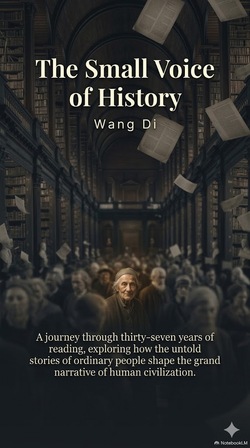
Small Voice of History
Loading…

Small Voice of History

Wang Di

3.6600 learners

In *Small Voice of History*, renowned historian Wang Di weaves a compelling narrative of his academic journey and a critical reexamination of Chinese historical scholarship. From his childhood reading street-side comic books in Chengdu to his transformative PhD studies in the U.S., Wang traces how his experiences fueled his mission to center marginalized voices in history. The book champions microhistory as a vital framework to amplify stories of ordinary people—from a 16th-century Italian miller to 20th-century Sichuan salt merchants—challenging traditional grand narratives that overlook everyday lives. Wang engages with landmark works by scholars like Carlo Ginzburg, William T. Rowe, and Paul Cohen, unpacking their methodologies while advocating for cross-disciplinary and global perspectives in studying China’s past. Blending personal memoir with rigorous analysis, this volume invites readers to rethink how history is written and understood, emphasizing that the "small voices" of common people hold the key to a more nuanced, human-centered grasp of the past.

Historical MethodologyMicrohistoryNew Cultural HistoryChinese Historical ScholarshipCommoners’ Voices
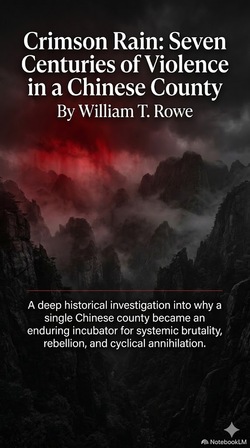
Crimson Rain
Loading…

Crimson Rain

William T. Rowe

2.8465 learners

Set in Macheng, a strategic mountain town in eastern China’s Dabie Mountains, *Crimson Rain* traces centuries of violence, rebellion, and social upheaval from the late Yuan Dynasty to the mid-20th century. William T.Rowe unpacks how Macheng’s pivotal location, rigid social hierarchies (including a brutal hereditary slave system), and deep-seated cultural tensions fueled recurring chaos—from bandit raids and clan feuds to slave uprisings, anti-Qing rebellions, and the fiery Communist revolution of the 1920s. Through vivid stories of key figures like the Ming loyalist Mei Zhihuan, the Qing official Yu Chenglong, and Communist leader Wang Shusheng, the book reveals how local conflicts intertwined with national political shifts, shaping Macheng’s identity as a hotbed of resistance. It offers a nuanced look at how violence wasn’t just a breakdown of order, but a persistent force that defined the town’s social structure, cultural memory, and place in China’s turbulent history.

MachengRed Turban RebellionHereditary SlaveryHuangma UprisingYu Chenglong
William T. Rowe

William T. Rowe

Author
No more