
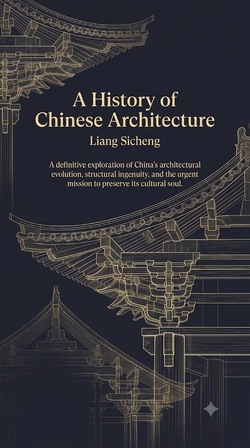
A History of Chinese Architecture
Written by Liang Sicheng, the pioneer of modern Chinese architectural studies, *A History of Chinese Architecture* is the definitive exploration of China’s 5,000-year architectural legacy. It unpacks the defining traits of China’s unique building system—from its iconic wooden framework and dougong bracket assemblies to its sweeping curved roofs—while linking architectural evolution to cultural values, social norms, and environmental needs across dynasties. The book traces key eras: pre-Qin foundational designs, grand Han and Tang imperial complexes, intricate Song Dynasty craftsmanship, and the opulent Ming and Qing imperial palaces. It also compares two pivotal official building manuals, the *Yingzao Fashi* (Song Dynasty) and *Gongcheng Zuofa Zeli* (Qing Dynasty), and examines how traditional structures reflect Chinese philosophy, ethics, and daily life. Plus, it covers modern preservation efforts and the future of merging traditional wisdom with contemporary design, making it essential for anyone curious about China’s cultural heritage through architecture.