The Unwomanly Face of War
Loading…

The Unwomanly Face of War

Svetlana Alexievich

4.41279 learners

In *The Unwomanly Face of War*, Nobel Prize-winning author Svetlana Alexievich amplifies the unheard voices of Soviet women who fought in World War II, shattering the male-centric narrative of combat. Drawing on hundreds of intimate oral interviews, she weaves together raw, unflinching stories of snipers, nurses, pilots, engineers, and logistics workers—ordinary girls torn from peaceful lives and thrust into the horrors of war. These accounts don’t focus on grand battles or military strategy; instead, they lay bare the quiet, brutal realities: a sniper’s first kill, a nurse’s guilt over a dying soldier, a pilot’s secret longing to wear a dress, and the crippling post-war trauma that haunted survivors for decades. Alexievich captures the duality of these women—both fierce warriors and tender humans—revealing how their resilience and hidden moments of humanity defied the dehumanizing machinery of war. This book is a vital testament to the millions of women whose sacrifices were erased by history, offering a deeply personal, unforgettable look at conflict’s true cost.
Military LogisticsSoviet women soldiersWWII oral historyPost-war traumaFrontline combat
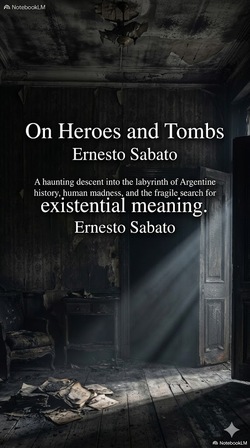
On Heroes and Tombs
Loading…

On Heroes and Tombs

Ernesto Sabato

4.31208 learners

Set in mid-20th-century Buenos Aires, Ernesto Sabato’s *On Heroes and Tombs* weaves two haunting, interconnected narratives that dig into the raw edges of human loneliness, intergenerational trauma, and the inescapable grip of fate. Seventeen-year-old Martin, broken by his mother’s lifelong rejection, stumbles into a passionate, turbulent love affair with Alejandra—a mysterious woman haunted by her family’s violent past, including an ancestor who hid her father’s severed head in their crumbling mansion for 80 years. Their relationship burns bright but unravels fast, tangled in Alejandra’s inner demons and the city’s simmering political unrest. Parallel to their tragic romance is Fernando Vidal Olmos, a man consumed by a paranoid obsession with a secret society of blind people he believes controls the world from the shadows. His descent into madness takes him on a frantic cross-continental chase, blurring the line between conspiracy and delusion. Sabato masterfully blends intimate personal drama with Argentina’s brutal historical legacy, painting a searing portrait of individuals trapped by their pasts, their minds, and a nation grappling with its own ghosts.

Family TraumaBuenos AiresParanoid ConspiracyBlind Secret SocietyRomantic Tragedy
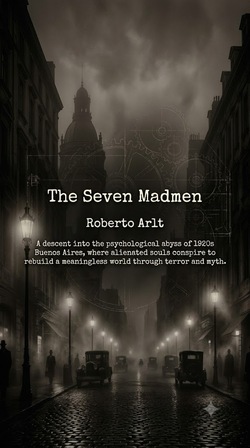
The Seven Madmen
Loading…

The Seven Madmen

Roberto Arlt

4.31089 learners

Trapped in a cycle of grinding poverty, marital decay, and workplace ruin, Augusto Remo Erdosain—an Argentine clerk on the brink—stumbles into a twisted circle of outcasts and self-proclaimed visionaries in Roberto Arlt’s raw, unflinching classic. After stealing money to survive and facing exposure, Erdosain crosses paths with a delusional astrologer plotting a secret society built on lies, exploitation, and violent revolution. Alongside a cynical pimp, a vengeful cousin, and other fractured souls, he embraces a plan of kidnapping and murder to fund their chaotic quest to upend society. Blending gritty urban realism with existential despair, *The Seven Madmen* lays bare the desperation of those pushed to the margins, exploring how madness can become a twisted lifeline for those who’ve lost all hope of a normal life.

existential despairAugusto Remo ErdosainThe AstrologerSecret Revolutionary SocietyMarginalized Urban Outcasts
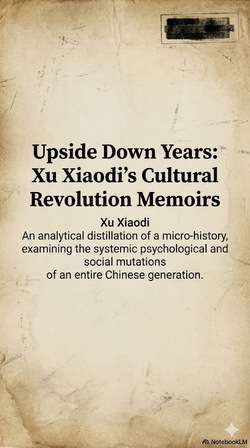
Upside Down Years
Loading…

Upside Down Years

Xu Xiaodi

3.21071 learners

Upside Down Years is a raw, unflinching memoir by Xu Xiaodi that chronicles her coming-of-age amid China’s turbulent Cultural Revolution and its aftermath. From her childhood in Beijing—marked by lost opportunities, kind mentors, and the sudden cruelty of political upheaval—to her years as an educated youth (zhiqing) in the Inner Mongolia Production Corps, Xu lays bare the chaos, hardship, and quiet humanity of an era defined by ideological fervor. She grapples with guilt over betraying a beloved teacher, the trauma of family separation and political persecution, and the resilience of ordinary people who clung to kindness amid despair. Through intimate anecdotes of friends, teachers, and strangers, she illuminates how the "upside down" years shaped her identity, forcing her to confront the cost of conformity and the enduring power of memory. This memoir is not just a personal story; it’s a testament to the untold struggles of a generation silenced by history.

ResiliencePolitical PersecutiontraumaHistorical ReflectionOrdinary People
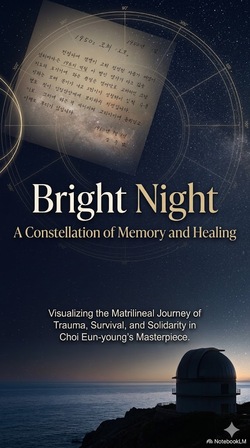
Bright Night
Loading…

Bright Night

Choi Eun-young

3.61049 learners

After a devastating divorce at 32, Ji-yeon leaves the suffocating hustle of Seoul behind to take a job at Seongnyeong Observatory, trading her old life’s baggage—from shared furniture to unspoken heartache—for the quiet calm of a small coastal town. What begins as a desperate escape evolves into a profound journey of self-discovery: she reconnects with her long-lost grandmother, uncovers her great-grandmother’s enduring friendship with a fellow war refugee, and confronts the generational trauma and rigid societal expectations that have weighed on her family for decades. Along the way, she finds solace in small, transformative joys: warm home-cooked meals, late-night stargazing sessions, and a scrawny stray puppy named Oatmeal who teaches her about unconditional love and presence. Through tearful arguments with her traditional mother, the pain of losing Oatmeal, and the quiet healing of coastal days, Ji-yeon learns to let go of self-doubt, embrace her true identity, and realize that healing isn’t about running from the past—it’s about carrying its warmth forward as she steps into a brave, unapologetic future.

Ji-yeonSeongnyeong Coastal TownSelf-HealingGenerational TraumaFamily Reconnection
Sensibel: Über moderne Empfindlichkeit und die Grenzen des Zumutbaren
Loading…

Sensibel: Über moderne Empfindlichkeit und die Grenzen des Zumutbaren

Svenja Flaßpöhler

3.71004 learners

From medieval knights who ate with unwashed hands and embraced violence as a way of life to modern middle-class educators reworking language to center gender equity, *Sensibel* explores how human sensitivity has evolved over a millennium through Norbert Elias’s landmark civilizing process theory. This book unpacks the fiery debate between Nietzsche’s call for resilience and Levinas’s focus on vulnerable empathy, using real-world clashes—from #MeToo to political correctness wars—to illustrate both perspectives’ flaws. It delves into how trauma has shifted from physical pain to psychological distress, the double-edged power of language to empower marginalized groups or stifle free expression, and the hard limits of empathy that even the most well-meaning people can’t cross. Drawing on Tocqueville’s paradox, it argues that as society grows more equal, we fixate more intensely on remaining inequalities. Ultimately, it calls for a balanced middle ground: honoring our sensitivity to injustice while cultivating the resilience to act, avoiding both cold indifference and fragile overprotection.

ResilienceEmpathytraumaSensitivityCivilizing Process
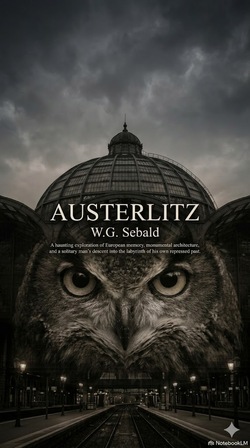
Austerlitz
Loading…

Austerlitz

W. G. Sebald

4.5974 learners

Spanning decades of chance encounters, W.G. Sebald’s *Austerlitz* follows the quiet, obsessive journey of its eponymous protagonist, an art historian haunted by a fragmented past. What begins as meandering conversations about architecture—from Antwerp’s grand colonial-era train station to London’s labyrinthine subway systems—unfolds into a profound reckoning with identity. Austerlitz, raised in Wales by Calvinist missionaries, gradually uncovers his hidden origins: a Jewish boy sent to Britain on a Kindertransport during WWII, separated from his parents who perished under Nazi rule. Sebald weaves together architectural analysis, philosophical meditations on time, and raw, suppressed trauma, framing buildings as silent witnesses to history’s atrocities. The novel blurs the line between memory and reality, inviting readers to confront the lingering weight of unspoken grief and the ways the past infiltrates the present. More than a story of personal discovery, it’s a haunting exploration of how history is etched into the spaces we inhabit and the lives we lead.

Time PerceptionTraumatic MemoryArchitectural HistoryNazi PersecutionIdentity Reclamation
Americana
Loading…

Americana

Don DeLillo

4.1965 learners

David Bell, a handsome, disillusioned young advertising executive in 1960s New York, escapes the suffocating hypocrisy of corporate politics and fractured personal relationships to embark on a cross-country journey. Armed with a 16mm camera, he sets out to make a film that captures the unvarnished truth of America—beyond the glossy ads and polished narratives he’s spent his career selling. Along the way, he confronts the ghosts of war trauma through Glenn Yost’s harrowing Bataan Death March memories, navigates the raw class divides of Texas tire fields, and connects with the quiet resilience of Arizona’s Apache communities. As he moves from bustling cities to desolate small towns, David dismantles his own illusions of success and the American Dream, confronting existential questions about identity, purpose, and the hidden fractures beneath America’s shiny surface. Don DeLillo’s debut novel is a sharp, introspective odyssey that lays bare the absurdity and quiet humanity of modern American life.

existential crisiswar traumaAmerican DreamSmall-Town AmericaDavid Bell
A Home at the End of the World
Loading…

A Home at the End of the World

Michael Cunningham

0917 learners

Set against the 1960s Cleveland backdrop and later bustling New York City, *A Home at the End of the World* follows the lifelong, unbreakable bond between Bobby Morrow and Jonathan Glover. Scarred by childhood trauma—Bobby’s brother’s tragic accidental death and Jonathan’s suffocating, fractured family—the two boys find refuge in each other, forging a friendship that blurs conventional lines. As they mature, they relocate to New York, where they meet sharp, world-weary Clare, and together the trio navigates love, uncertainty, and the endless search for belonging. Eventually, they leave the city’s chaos behind to build an unconventional family in a quiet Woodstock-area home, opening a small café and welcoming a daughter, Rebecca. When Jonathan’s former lover Erich arrives terminally ill, the group confronts mortality, grief, and the true meaning of home: not a perfect structure, but the messy, loyal connections we choose to nurture through life’s joys and sorrows.

GriefChildhood TraumamortalityBobby MorrowJonathan Glover
The Whisperers
Loading…

The Whisperers

Orlando Figes

4.7886 learners

Orlando Figes’ *The Whisperers* delivers an intimate, unflinching portrait of ordinary Soviet families navigating the brutal tides of totalitarian rule, from the 1917 Bolshevik Revolution to the post-Stalin thaw. Drawing on personal diaries, letters, and oral histories, Figes centers stories like poet Konstantin Simonov’s tangled loyalty to the regime, peasant families destroyed by forced collectivization, and “enemies of the people” survivors grappling with lifelong trauma. The book exposes how Stalin’s regime infiltrated every corner of private life—eroding family bonds, fostering a culture of betrayal and whispered secrecy, and forcing individuals to choose between survival and conscience. It humanizes the grand, brutal history of the Soviet Union, revealing the quiet resilience, guilt, and longing that defined daily life for millions under oppressive rule.

StalinismSoviet UnionGulagCollectivizationGreat Terror
The Ministry of Pain
Loading…

The Ministry of Pain

Dubravka Ugrešić

4.2834 learners

Set in 1990s Amsterdam, *The Ministry of Pain* follows a Croatian literature professor exiled from war-torn Yugoslavia as she teaches Serbian-Croatian to a ragtag group of fellow exiles—refugees, draft dodgers, and survivors clinging to legal residency. Together, they navigate the disorientation of displacement: grappling with shattered identities, the absurdity of a language split into three official tongues overnight, and the quiet trauma of a lost nation. Through classroom conversations, late-night café gatherings, and shared memories of Yugoslavia’s everyday joys and wartime horrors, the group confronts the weight of their past—from Uroš’s devastating suicide tied to his father’s war crimes trial to the hollow justice of the Hague Tribunal. As the professor clashes with her student Igor and faces her own unraveling, the novel lays bare the messy, painful reality of exile: how memory binds and breaks, how language becomes both a lifeline and a weapon, and how survivors carry the scars of a shattered home long after the guns fall silent.

Identity CrisisYugoslav exileswar traumalanguage fragmentationcollective memory
Street of Eternal Happiness
Loading…

Street of Eternal Happiness

Rob Schmitz

4.2799 learners

Stretching 2 miles through central Shanghai, Changle Road is a living microcosm of China’s dramatic transformation over the past century. Rob Schmitz weaves intimate portraits of ordinary residents whose lives intersect along this iconic street, revealing the human cost and resilience behind the nation’s rise. Meet CK, a former accordion seller turned café owner chasing artistic fulfillment amid city pressures; Zhao Shiling, a rural migrant who built a flower shop empire after escaping an abusive marriage and factory layoffs; “Mayor Chen,” a lifelong resident fighting to save his family’s shikumen home from forced demolition; and Aunt Fu, a retired worker drawn to church and risky get-rich-quick schemes. Through their stories, Schmitz unpacks pivotal forces shaping modern China: the hukou system’s grip on education and mobility, the clash between urban development and personal property rights, the allure and danger of unregulated capitalism, and the search for spiritual meaning in a materialistic era. Each narrative captures the tension between tradition and progress, individual dreams and systemic constraints, painting a vivid, unfiltered picture of life in one of the world’s fastest-changing cities.

ResilienceChangle RoadShanghaiForced EvictionsMigrant Workers
Why Family Hurts
Loading…

Why Family Hurts

Wu Zhihong

4667 learners

Many of us carry unspoken wounds from family life, even when we can’t name them. *Why Family Hurts* dives deep into the hidden dynamics of Chinese family structures, using real-life case studies and psychological theories to unpack common pain points: the harmful myth of putting children above spousal relationships, the narcissistic roots of overindulgence, how parental anxiety gets passed onto kids, and the intergenerational cycles of trauma that repeat across families. Wu Zhihong breaks down why these patterns form—from unmet childhood needs to cultural norms—and offers actionable insights to break free. Whether you’re struggling with strained parent-child bonds, toxic in-law relationships, or repeating the same mistakes as your own parents, this book helps you recognize hidden hurts, reclaim your sense of self, and build healthier, more loving connections.

Family TraumaSpousal Relationship PriorityIntergenerational CycleNarcissistic SpoilingParental Anxiety Transfer
In Cold Blood
Loading…

In Cold Blood

Truman Capote

4.2609 learners

Truman Capote’s groundbreaking true-crime masterpiece, *In Cold Blood*, plunges readers into the quiet wheatfields of Holcomb, Kansas—a tight-knit small town where doors stayed unlocked and neighbors trusted one another, until November 15, 1959. That fateful night, four members of the beloved Clutter family were brutally murdered in their home, shattering the town’s innocence and sparking a nationwide manhunt. Capote spent years researching the case, interviewing investigators, townsfolk, and the two killers—Dick Hickock, a charismatic ex-con with a twisted plan, and Perry Smith, a damaged, dream-driven drifter haunted by a traumatic childhood. Through vivid, immersive prose, he unravels the killers’ motives, the painstaking investigation led by Kansas Bureau of Investigation agent Alvin Dewey, and the lasting impact of the tragedy on Holcomb. More than a crime story, it’s a searing exploration of human darkness, guilt, and the fragile line between normalcy and violence.

HolcombClutter FamilyDick HickockPerry SmithTrue Crime
Misogyny
Loading…

Misogyny

Chizuko Ueno

4.5580 learners

Chizuko Ueno’s *Misogyny* dissects the deep-seated misogyny embedded in Japanese culture, spanning literary tropes, royal traditions, workplace hierarchies, and intimate family dynamics. Using vivid real-world examples—like the tragic double life of a Tokyo Electric Power elite female employee, the rigid gender rules of the imperial family, and shifting Edo-period shunga art—Ueno unpacks how men enforce patriarchal systems: objectifying women as fantasy vessels or reproductive tools, using male homosocial bonds to police gender norms, and weaponizing sexual double standards to control women’s bodies. She also confronts the overlooked internalized misogyny that passes from mothers to daughters, trapping women in cycles of competition and self-sabotage. Finally, Ueno outlines a path forward, challenging women to confront their own self-hatred and men to reject toxic masculinity definitions that fuel these harmful systems.

PatriarchyMisogynyGender Double StandardMale Homosocial DesireHonorary Man
The Land of Green Plums
Loading…

The Land of Green Plums

Herta Muller

4.2553 learners

Set against the suffocating backdrop of 1980s Romania under Nicolae Ceaușescu’s brutal totalitarian regime, *The Land of Green Plums* follows a tight-knit group of four young friends grappling with the dehumanizing weight of state surveillance, censorship, and pervasive fear. When one of their circle takes his own life to escape the regime’s relentless pressure, the remaining three are pushed to confront the cost of silence and the urgency of resistance. Through secret writing, quiet acts of defiance, and a desperate bid for freedom, they navigate a world where every word and gesture could lead to imprisonment or worse. Drawing from her own experiences as a dissident, Herta Müller weaves a raw, lyrical narrative that explores the erosion of innocence, the bonds of friendship in crisis, and the fragile persistence of humanity under oppression. The eponymous green plums serve as a haunting symbol of lost youth and the quiet longing for a life unshackled by tyranny.

friendshipExiletraumaState SurveillanceRomanian totalitarianism
2666
Loading…

2666

Roberto Bolano

4.5552 learners

Roberto Bolaño’s sprawling epic *2666* weaves five interconnected narratives spanning continents and decades, exploring the dark intersections of literature, violence, and human loneliness. First, four European literary critics obsess over tracking down Benno von Archimboldi, a reclusive German writer whose elusive identity fuels their intellectual obsession and personal entanglements. Next, Chilean philosopher Amalfitano drifts in the desolate Mexican border city of Santa Teresa, haunted by his past and the city’s simmering chaos. Journalist Oscar Fate arrives to cover a boxing match, only to stumble into the city’s underbelly and help a young woman escape abuse. The harrowing fourth section delves into the relentless serial murders of hundreds of women in Santa Teresa, exposing systemic corruption and societal indifference. Finally, the novel unspools Archimboldi’s own story—from his German childhood and WWII experiences to post-war exile and eventual disappearance. Blending gritty realism, existential depth, and literary mystery, *2666* is a searing examination of violence’s hold on societies and the quiet resilience of survivors.

Exilelonelinesswar traumaBenno von ArchimboldiSanta Teresa
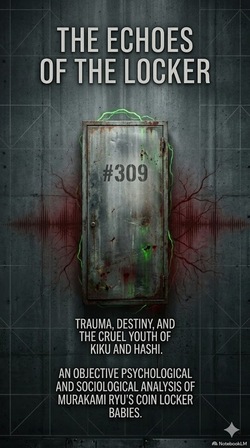
Coin Locker Babies
Loading…

Coin Locker Babies

Murakami Ryu

4.4522 learners

In 1972, two newborns are abandoned in Japanese coin lockers, surviving against all odds to become inseparable foster brothers. Kikuno (Akira) and Joe, scarred by the near-death trauma of their infancy, develop symbiotic psychosis—Akira obsessed with endless movement to outrun stagnation, Joe fixated on building isolated, guarded spaces. When adopted by a rural couple, their fragile bond frays as Joe flees to Tokyo to find his birth mother, falling into the glitzy, exploitative world of pop stardom. Akira, desperate to locate his brother, tracks him to Tokyo, only to be consumed by violent delusions tied to Mandragora, a mysterious hallucinogenic drug. After a catastrophic shooting at a televised mother-reunion event, Akira is sent to a juvenile detention center, while Joe spirals into mental collapse, grappling with fabricated fame and a fractured sense of self. Ryu Murakami’s raw, visceral novel explores trauma, identity, and the desperate search for belonging in a world that rejects outcasts.

Identity CrisisTrauma RecoveryLocker AbandonmentSymbiotic PsychosisMandragora
Concept

Body vs Soul Split

Tereza struggles with her body (shamed by her mother) vs her soul (longing for Thomas). She sees her body as a separate entity—betraying her soul’s desire for pure love.

IdentityLovetrauma