Best Books on Critical thinking

Critical thinking Total 4 books

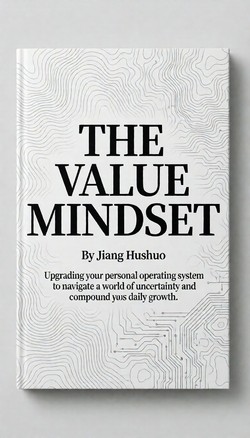
The Value Mindset summary and key insights by Jiang Hushuo
Loading…

The Value Mindset

Jiang Hushuo

3.8852 learners

Tired of feeling boxed in by your background, education, or career path? The Value Mindset is your playbook for breaking free from limiting beliefs and building a life of sustainable growth, wealth, and impact. Drawing on relatable examples—from TikTok creators turning side hustles into full-time careers to Warren Buffett’s decades of value investing success—this book lays out actionable frameworks to rewire your thinking. You’ll learn to embrace the "third choice" instead of binary thinking, operate your life like a CEO with systematic self-management, master efficient reading and critical thinking, and turn passions into profitable ventures. It also demystifies value investing, teaching you to avoid cognitive traps and build a resilient portfolio. At its core, the book argues that the best investment you’ll ever make is in yourself: by prioritizing lifelong learning, compound growth, and creating real value for others, you’ll turn time into lasting wealth and purpose.
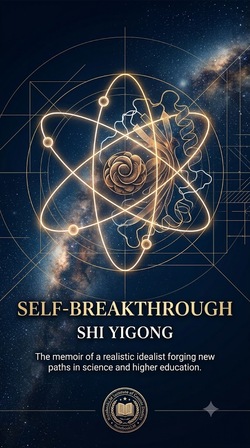
Self-Breakthrough summary and key insights by Shi Yigong
Loading…

Self-Breakthrough

Shi Yigong

3.5948 learners

Self-Breakthrough takes readers on a deeply personal journey from Shi Yigong’s humble rural childhood in central China—where he learned resilience from his father and tight-knit village community—to his transformative years as a struggling international student in the U.S., working long hours in Chinese restaurants to make ends meet. The book traces his rise to become a leading structural biologist at Princeton, then his bold decision to resign from a tenured position to return to Tsinghua University, where he spearheaded sweeping reforms in education and research. It also chronicles his founding of Westlake University, a groundbreaking private research institution aimed at nurturing China’s next generation of scientific leaders. Along the way, Shi shares hard-won insights on academic integrity, critical thinking, and balancing personal ambition with a commitment to serving one’s country, offering a vivid portrait of self-growth and purpose-driven leadership.

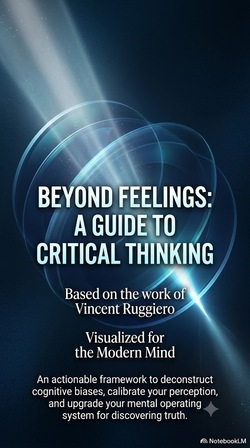
Beyond Feelings summary and key insights by Vincent Ruggiero
Loading…

Beyond Feelings

Vincent Ruggiero

4.7723 learners

Beyond Feelings: A Guide to Critical Thinking is a foundational text that empowers readers to break free from cognitive biases, emotional reactions, and societal conditioning. Using relatable, American-centric examples—from political spin and advertising manipulation to the pitfalls of 'mine is better' thinking—it unpacks how external forces shape our beliefs, from childhood upbringing to modern social norms. The book systematically breaks down common thinking errors, including confirmation bias, hasty generalization, and straw man fallacies, while providing actionable frameworks for cultivating independent thought. It guides readers through key steps: recognizing personal cognitive blind spots, conducting rigorous research on controversial issues, evaluating evidence objectively, forming balanced judgments, and persuading others with respect and logic. Ideal for students, professionals, and anyone navigating today’s misinformation-saturated world, it emphasizes that critical thinking isn’t just an academic skill—it’s a lifelong practice for making wiser decisions and understanding the world more clearly.

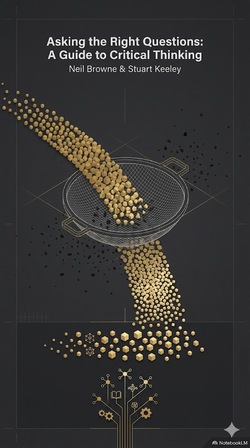
Asking the Right Questions summary and key insights by M. Neil Browne;Stuart M. Keeley
Loading…

Asking the Right Questions

M. Neil Browne;Stuart M. Keeley

4.51193 learners

Living in a world flooded with conflicting claims and biased information, it’s easy to feel overwhelmed or misled—experts contradict each other, advertisers hide flaws, and our brains default to quick, emotional judgments. *Asking the Right Questions* by Neil Browne and Stuart Keeley is your essential guide to building robust critical thinking skills. This book breaks down how to move beyond passive 'sponge-style' learning to active 'gold-panning' thinking, where you engage with information by asking targeted, critical questions. It teaches you to distinguish between weak and strong critical thinking, identify the core components of any argument (thesis, conclusion, reasons), spot hidden assumptions and logical fallacies, and evaluate the reliability of evidence from research reports to surveys. You’ll also learn to navigate common cognitive traps like confusing correlation with causation, avoiding binary thinking, and overcoming biases like belief persistence. Packed with practical exercises and real-world examples, this book empowers you to take control of your beliefs, make rational decisions, and avoid being manipulated by persuasive but flawed arguments. It’s not about being argumentative—it’s about becoming a thoughtful, independent thinker who can cut through the noise to find credible answers.