Best Books on Exile

Exile Total 4 books

The Life and Times of Su Tungpo summary and key insights by Lin Yutang
Loading…

The Life and Times of Su Tungpo

Lin Yutang

4.61098 learners

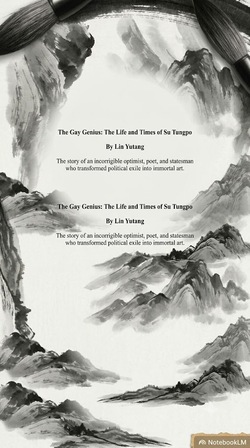
Lin Yutang’s *The Life and Times of Su Tungpo* delivers a vivid, heartfelt portrait of one of China’s most cherished literary and cultural icons. Set in the Northern Song Dynasty, this biography traces Su’s extraordinary journey: from a prodigious young scholar who excelled in imperial exams to a fearless official who dared oppose Wang Anshi’s controversial New Policies, enduring repeated exiles to remote, harsh regions like Huangzhou, Huizhou, and Hainan. Beyond his unmatched genius in poetry, ci lyrics, prose, calligraphy, and painting, Su was a compassionate leader who built flood defenses, established public hospitals, and saved abandoned infants. Even in dire hardship, his irrepressible humor, love for nature, and fusion of Confucian, Buddhist, and Taoist ideals turned adversity into inspiration, producing timeless masterpieces like the *Red Cliff Rhapsodies*. Lin captures Su’s essence: a man of unwavering integrity who found joy in simplicity and left an indelible mark on Chinese culture.
The Land of Green Plums summary and key insights by Herta Muller
Loading…

The Land of Green Plums

Herta Muller

4.2553 learners

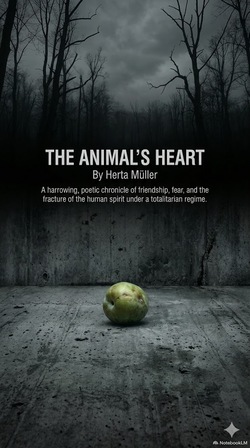
Set against the suffocating backdrop of 1980s Romania under Nicolae Ceaușescu’s brutal totalitarian regime, *The Land of Green Plums* follows a tight-knit group of four young friends grappling with the dehumanizing weight of state surveillance, censorship, and pervasive fear. When one of their circle takes his own life to escape the regime’s relentless pressure, the remaining three are pushed to confront the cost of silence and the urgency of resistance. Through secret writing, quiet acts of defiance, and a desperate bid for freedom, they navigate a world where every word and gesture could lead to imprisonment or worse. Drawing from her own experiences as a dissident, Herta Müller weaves a raw, lyrical narrative that explores the erosion of innocence, the bonds of friendship in crisis, and the fragile persistence of humanity under oppression. The eponymous green plums serve as a haunting symbol of lost youth and the quiet longing for a life unshackled by tyranny.

2666 summary and key insights by Roberto Bolano
Loading…

2666

Roberto Bolano

4.5552 learners

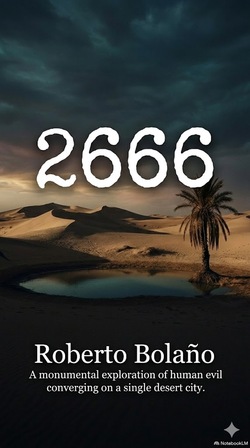
Roberto Bolaño’s sprawling epic *2666* weaves five interconnected narratives spanning continents and decades, exploring the dark intersections of literature, violence, and human loneliness. First, four European literary critics obsess over tracking down Benno von Archimboldi, a reclusive German writer whose elusive identity fuels their intellectual obsession and personal entanglements. Next, Chilean philosopher Amalfitano drifts in the desolate Mexican border city of Santa Teresa, haunted by his past and the city’s simmering chaos. Journalist Oscar Fate arrives to cover a boxing match, only to stumble into the city’s underbelly and help a young woman escape abuse. The harrowing fourth section delves into the relentless serial murders of hundreds of women in Santa Teresa, exposing systemic corruption and societal indifference. Finally, the novel unspools Archimboldi’s own story—from his German childhood and WWII experiences to post-war exile and eventual disappearance. Blending gritty realism, existential depth, and literary mystery, *2666* is a searing examination of violence’s hold on societies and the quiet resilience of survivors.

Natasha's Dance summary and key insights by Orlando Figes
Loading…

Natasha's Dance

Orlando Figes

4.2451 learners

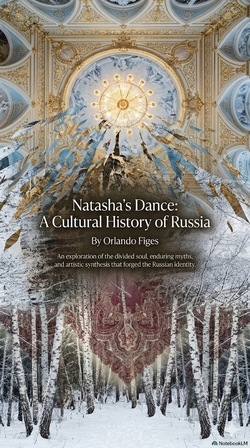
Orlando Figes’ *Natasha's Dance* takes readers on a sweeping, intimate journey through Russia’s tangled cultural identity, spanning three centuries of ambition, rebellion, and longing. Starting with Peter the Great’s brutal construction of St. Petersburg—his audacious bid to drag Russia into European modernity—the book unpacks the nation’s eternal split: aristocrats mimicking French manners while clinging to rustic Russian traditions, writers oscillating between Western influence and Slavic roots, and artists grappling with the tension between state ideology and personal truth. Through vivid stories of serf artists, exiled Decemberists, Soviet dissidents, and displaced émigrés, Figes reveals how Russia’s soul is forged in these contradictions: from the folk-inspired masterpieces of Mussorgsky and Repin to the tragic fates of Akhmatova and Mandelstam under Stalin, and the bittersweet nostalgia of exiles like Nabokov and Stravinsky. More than a history, it’s a portrait of a nation forever caught between East and West, tradition and revolution, home and exile.