Best Books on Identity Crisis

Identity Crisis Total 4 books

Leaving Liang Village summary and key insights by Liang Hong
Loading…

Leaving Liang Village

Liang Hong

5664 learners

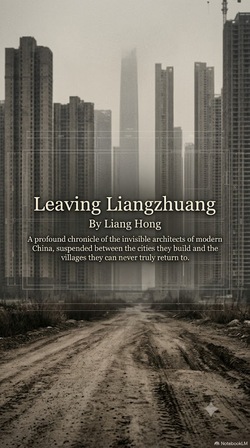
In *Leaving Liang Village*, author Liang Hong returns to her rural hometown in central China to document the quiet crises and unspoken struggles of its people. Through intimate interviews and on-the-ground observations, she follows Liang Village’s residents as they scatter across China’s cities—Xi’an, Beijing, Shenzhen, Qingdao—chasing jobs, money, and a shot at a better life. From underpaid rickshaw drivers enduring police harassment to factory workers breathing toxic fumes, from college-educated migrants stuck in dead-end jobs to left-behind villagers grappling with loss and apathy, each story lays bare the harsh realities of China’s migrant labor system. Hong doesn’t just highlight the physical toll of long hours and dangerous work; she captures the emotional weight of fractured families, lost identities, and the impossible choice between clinging to village roots and surviving in unforgiving cities. A raw, unflinching portrait of a community caught between tradition and modernity, this book gives voice to millions of invisible workers shaping China’s rise.
Coin Locker Babies summary and key insights by Murakami Ryu
Loading…

Coin Locker Babies

Murakami Ryu

4.4522 learners

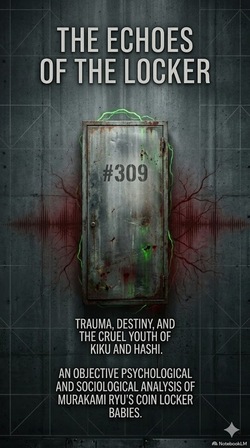
In 1972, two newborns are abandoned in Japanese coin lockers, surviving against all odds to become inseparable foster brothers. Kikuno (Akira) and Joe, scarred by the near-death trauma of their infancy, develop symbiotic psychosis—Akira obsessed with endless movement to outrun stagnation, Joe fixated on building isolated, guarded spaces. When adopted by a rural couple, their fragile bond frays as Joe flees to Tokyo to find his birth mother, falling into the glitzy, exploitative world of pop stardom. Akira, desperate to locate his brother, tracks him to Tokyo, only to be consumed by violent delusions tied to Mandragora, a mysterious hallucinogenic drug. After a catastrophic shooting at a televised mother-reunion event, Akira is sent to a juvenile detention center, while Joe spirals into mental collapse, grappling with fabricated fame and a fractured sense of self. Ryu Murakami’s raw, visceral novel explores trauma, identity, and the desperate search for belonging in a world that rejects outcasts.

The Castle summary and key insights by Franz Kafka
Loading…

The Castle

Franz Kafka

4.1459 learners

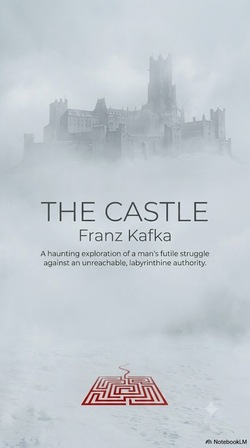
K, a land surveyor, arrives uninvited at a remote village huddled beneath the imposing, unreachable Castle, only to find himself trapped in a labyrinth of bureaucratic absurdity. Tasked with a job the village insists it never requested, he navigates a world where rules shift without warning, officials are maddeningly unreachable, and villagers oscillate between suspicion and reluctant aid. His desperate quest to gain entry to the Castle—and thus validate his identity and purpose—leads him into tangled relationships: with Frieda, a former barmaid who becomes his fiancée; the Barnabas family, whose ties to the Castle are fraught with hidden trauma; and petty bureaucrats who toy with his fragile hopes. As K’s efforts to break through the Castle’s impenetrable barriers grow increasingly futile, Franz Kafka’s masterpiece lays bare the existential dread of an individual pitted against an indifferent, dehumanizing system, posing profound questions about identity, belonging, and the illusion of control.

The Ministry of Pain summary and key insights by Dubravka Ugrešić
Loading…

The Ministry of Pain

Dubravka Ugrešić

4.2834 learners

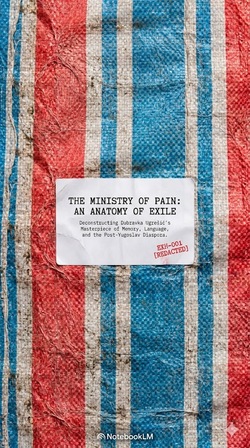
Set in 1990s Amsterdam, *The Ministry of Pain* follows a Croatian literature professor exiled from war-torn Yugoslavia as she teaches Serbian-Croatian to a ragtag group of fellow exiles—refugees, draft dodgers, and survivors clinging to legal residency. Together, they navigate the disorientation of displacement: grappling with shattered identities, the absurdity of a language split into three official tongues overnight, and the quiet trauma of a lost nation. Through classroom conversations, late-night café gatherings, and shared memories of Yugoslavia’s everyday joys and wartime horrors, the group confronts the weight of their past—from Uroš’s devastating suicide tied to his father’s war crimes trial to the hollow justice of the Hague Tribunal. As the professor clashes with her student Igor and faces her own unraveling, the novel lays bare the messy, painful reality of exile: how memory binds and breaks, how language becomes both a lifeline and a weapon, and how survivors carry the scars of a shattered home long after the guns fall silent.