
Best Books on Social Critique

Social Critique Total 2 books

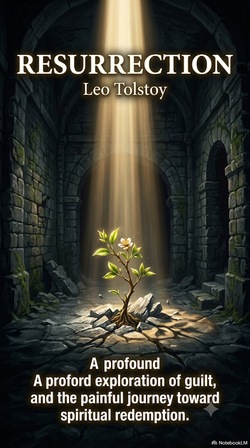
Resurrection summary and key insights by Leo Tolstoy
Loading…

Resurrection

Leo Tolstoy

4.5885 learners

Leo Tolstoy’s *Resurrection* is a searing, timeless masterpiece set in late 19th-century Russia, exploring guilt, redemption, and systemic decay. When complacent aristocrat Prince Dmitri Nekhlyudov serves as a juror, he is jolted into a spiritual awakening by recognizing Katya Maslova—a young woman he once seduced and abandoned—wrongfully on trial for murder. Her conviction to four years of hard labor shatters his privileged bubble, driving him to embark on a relentless quest for atonement: fighting to overturn her sentence, renouncing his inherited land to empower oppressed peasants, and following her into Siberian exile. As Maslova finds solace and purpose among political prisoners, both undergo profound transformation—Nekhlyudov shedding his hypocrisy to confront institutional injustice, and Maslova reclaiming her dignity after years of trauma. Tolstoy’s unflinching critique of Russia’s corrupt legal system, dehumanizing prisons, and aristocratic indifference makes this a powerful exploration of renewal amid despair.
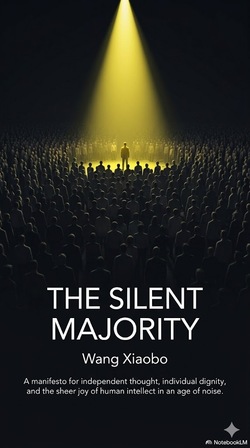
The Silent Majority summary and key insights by Wang Xiaobo
Loading…

The Silent Majority

Wang Xiaobo

4.4999 learners

Wang Xiaobo's *The Silent Majority* is a collection of raw, unflinching essays that pulls back the curtain on 20th-century Chinese life through a sharp, witty lens. Drawing from his own experiences—rural labor, university exams, studying abroad—Wang gives voice to the "silent majority": ordinary people who choose quiet resistance over conforming to absurd, oppressive norms. He recounts darkly humorous tales, like the rebellious pig outwitting cadre mobs and chaotic surgeries by untrained hospital workers, to expose rigid systems' absurdity. Wang also critiques Chinese intellectuals' plight, contrasts Western and Chinese approaches to knowledge, and argues fiercely for individual dignity, rational thinking, and courage to speak against hypocrisy. Blending personal anecdotes with incisive social commentary, this book is a rallying cry for free thought and authentic, unshackled living.