
Best Books on trauma

trauma Total 3 books

Sensibel: Über moderne Empfindlichkeit und die Grenzen des Zumutbaren summary and key insights by Svenja Flaßpöhler
Loading…

Sensibel: Über moderne Empfindlichkeit und die Grenzen des Zumutbaren

Svenja Flaßpöhler

3.71004 learners

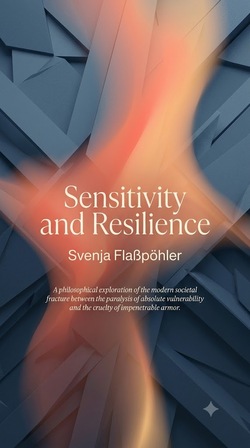
From medieval knights who ate with unwashed hands and embraced violence as a way of life to modern middle-class educators reworking language to center gender equity, *Sensibel* explores how human sensitivity has evolved over a millennium through Norbert Elias’s landmark civilizing process theory. This book unpacks the fiery debate between Nietzsche’s call for resilience and Levinas’s focus on vulnerable empathy, using real-world clashes—from #MeToo to political correctness wars—to illustrate both perspectives’ flaws. It delves into how trauma has shifted from physical pain to psychological distress, the double-edged power of language to empower marginalized groups or stifle free expression, and the hard limits of empathy that even the most well-meaning people can’t cross. Drawing on Tocqueville’s paradox, it argues that as society grows more equal, we fixate more intensely on remaining inequalities. Ultimately, it calls for a balanced middle ground: honoring our sensitivity to injustice while cultivating the resilience to act, avoiding both cold indifference and fragile overprotection.

Upside Down Years summary and key insights by Xu Xiaodi
Loading…

Upside Down Years

Xu Xiaodi

3.21071 learners

Upside Down Years is a raw, unflinching memoir by Xu Xiaodi that chronicles her coming-of-age amid China’s turbulent Cultural Revolution and its aftermath. From her childhood in Beijing—marked by lost opportunities, kind mentors, and the sudden cruelty of political upheaval—to her years as an educated youth (zhiqing) in the Inner Mongolia Production Corps, Xu lays bare the chaos, hardship, and quiet humanity of an era defined by ideological fervor. She grapples with guilt over betraying a beloved teacher, the trauma of family separation and political persecution, and the resilience of ordinary people who clung to kindness amid despair. Through intimate anecdotes of friends, teachers, and strangers, she illuminates how the "upside down" years shaped her identity, forcing her to confront the cost of conformity and the enduring power of memory. This memoir is not just a personal story; it’s a testament to the untold struggles of a generation silenced by history.

The Land of Green Plums summary and key insights by Herta Muller
Loading…

The Land of Green Plums

Herta Muller

4.2553 learners

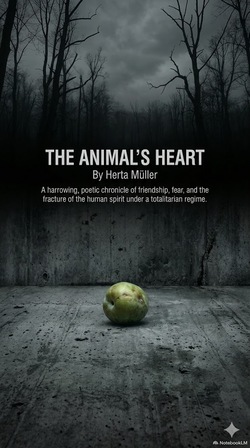
Set against the suffocating backdrop of 1980s Romania under Nicolae Ceaușescu’s brutal totalitarian regime, *The Land of Green Plums* follows a tight-knit group of four young friends grappling with the dehumanizing weight of state surveillance, censorship, and pervasive fear. When one of their circle takes his own life to escape the regime’s relentless pressure, the remaining three are pushed to confront the cost of silence and the urgency of resistance. Through secret writing, quiet acts of defiance, and a desperate bid for freedom, they navigate a world where every word and gesture could lead to imprisonment or worse. Drawing from her own experiences as a dissident, Herta Müller weaves a raw, lyrical narrative that explores the erosion of innocence, the bonds of friendship in crisis, and the fragile persistence of humanity under oppression. The eponymous green plums serve as a haunting symbol of lost youth and the quiet longing for a life unshackled by tyranny.