



The Getty statue story really made me realize how experts spot fakes instantly while data takes too long.
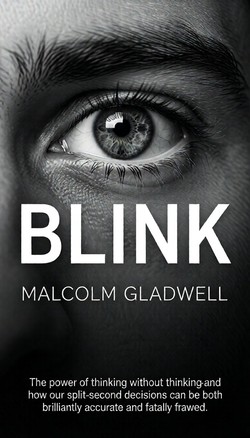
Your Review
The Getty statue story really made me realize how experts spot fakes instantly while data takes too long.

Interesting idea that gut feelings can be smarter than research sometimes.

The Getty statue fake story shows how experts spot details that data misses instantly. It taught me that trained intuition often beats slow analysis when patterns are clear. Gladwell explains thin-slicing perfectly through real cases like marriage predictions and car sales bias. I learned to check my biases and trust my gut only when I have deep experience in the topic. The jam experiment also made me realize too many choices can paralyze my decision making. Overall, this book gives practical tools to balance fast instincts with careful systems for better life choices without fear of missing critical cues.

Gladwell proves gut feeling can beat hours of research sometimes.

Thin-slicing explains why we trust gut feelings over data sometimes, but the bias examples make me worry about my own quick judgments.

The Getty statue story perfectly shows how experts spot fakes instantly while data misses them, proving thin-slicing works when trained on patterns.

The Getty statue story shows how experts spot fakes instantly using tiny details like smooth nails and fresh marble, proving that trained intuition often beats slow data analysis. However, the book also warns that untrained snap judgments based on surface traits like height or race can lead to disastrous mistakes, as seen with the Warren Harding presidency. It teaches us to calibrate our instincts by focusing on relevant patterns rather than harmful stereotypes, making us better decision-makers in daily life without needing to overthink everything.

The Getty Museum fake statue story shows how experts spot details others miss instantly, proving that rapid intuition based on deep experience can actually be more accurate than slow, data-driven analysis in specific contexts, which challenges our usual belief that more research always leads to better decisions.

Gladwell uses the Getty Museum fake statue story perfectly to show how experts spot flaws instantly while data analysis fails, proving thin-slicing works when expertise exists but fails against bias in other cases like the Harding fallacy.

The story about the fake Greek statue really showed how experts can spot subtle details that data missed, proving that our quick unconscious judgments based on years of experience can be more accurate than slow, methodical analysis when we have deep expertise in a field, though we must still be careful not to let unconscious biases like the Warren Harding fallacy distort our view of people who don't fit traditional stereotypes, because even trained intuition can lead us astray if we aren't aware of the hidden cultural patterns our brains absorb from childhood that trick us into equating looks with competence rather than actual skill or character.

Thin-slicing is powerful when trained, but dangerous when biased.

Gladwell proves gut feelings work when experts know the patterns.

Gladwell uses the Getty fake statue case perfectly to show how experts spot fakes instantly while data analysis fails, proving thin-slicing works when you have deep experience. 4

The Getty fake statue story shows how experts spot details data missed.

The Getty Museum fake statue story shows how experts spot details data misses. Their quick intuition about the perfect nails and fresh marble felt wrong, proving that trained thin-slicing can catch subtle cues an algorithm overlooks. However, the book also warns this fails with biases like judging leaders by looks, so we must know when to trust gut feelings versus when to slow down for analysis.

The book explains how experts spot fake statues instantly using thin-slicing, noticing tiny details like perfectly smooth nails that data tests missed, while also showing how our gut can fail with biases like the Warren Harding fallacy where we pick leaders based on looks rather than skill, so we must learn to calibrate our intuition with structured systems to avoid mistakes in high-stakes choices like hiring or medical diagnoses instead of relying solely on either data or untrained feelings. This balance helps us trust our trained instincts when patterns are clear but pause when facing irrelevant cues or too much information that blinds us to what truly matters for making better decisions in life.

Great insight on trusting your gut quickly.

The Getty statue fake story really shows how experts spot details that data misses instantly, making me realize my gut often knows more than my research, though we must still watch for hidden biases like the Warren Harding fallacy to avoid picking leaders based only on looks instead of skill. This balance between trusting trained thin-slicing and using systems for complex choices helps me understand when to rely on my instincts and when to slow down and check facts carefully before making important decisions in life.
Interesting idea about trusting gut feelings sometimes.

Gladwell proves that trusting your gut isn't always reckless, showing how experts like art historians spot fakes instantly through thin-slicing patterns that data missed.