Psychology Book Summaries & Key Insights

Psychology Total 132 books

El túnel de Brooklyn summary and key insights by Joaquim Colomer Boixés
Loading…

El túnel de Brooklyn

Joaquim Colomer Boixés

0578 learners

In 1997 Brooklyn, celebrated author James Beckett’s world crumbles when his beloved wife Katy vanishes en route to a job interview, swallowed by a cursed old tunnel. Teaming up with gruff, rule-breaking detective Frank Morris, James uncovers a nightmarish web of dark magic, organ trafficking, and police corruption orchestrated by the ruthless Brooks family—plus a devastating betrayal from his trusted editor, Tom Conway. When Frank is killed protecting James, his ghost refuses to rest, guiding James through supernatural perils with help from a psychic and a dark arts expert. James fights to dismantle the Brooks’ empire, confronts the sub-world where Katy’s soul is trapped, and finds bittersweet closure in their final reunion. For decades, he walks Brooklyn’s streets with a German shepherd housing Frank’s spirit, until he finally destroys the cursed tunnel, joining his loved ones in eternal peace.

On Death and Dying: What the Dying Have to Teach Doctors, Nurses, Clergy and Their Own Families summary and key insights by Elisabeth Kübler-Ross
Loading…

On Death and Dying: What the Dying Have to Teach Doctors, Nurses, Clergy and Their Own Families

Elisabeth Kübler-Ross

0884 learners

Based on groundbreaking interviews with terminally ill patients, *On Death and Dying* explores the universal fear of death in modern society, tracing its roots to medical advancements that have distanced death from daily life and normalized avoidance. The book introduces the five pivotal stages of end-of-life psychological adjustment—denial, anger, bargaining, depression, and acceptance—offering profound insights into how patients navigate grief, fear, and hope. It also examines the toll of terminal illness on families, the barriers to honest communication between doctors and patients, and the critical need for interdisciplinary, compassionate care. Through real-world case studies and reflections from medical professionals, it challenges the medical field to prioritize patient dignity and emotional support over purely technical interventions, urging doctors to learn from the dying to transform end-of-life care into a humane, respectful experience.

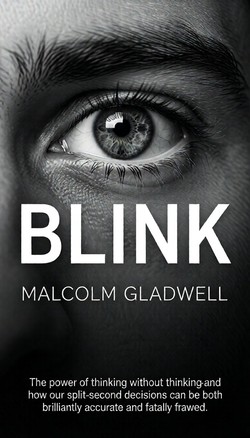
Blink: The Power of Thinking Without Thinking summary and key insights by Malcolm Gladwell
Loading…

Blink: The Power of Thinking Without Thinking

Malcolm Gladwell

0971 learners

Blink: The Power of Thinking Without Thinking explores the untapped potential of rapid cognition—the split-second, unconscious judgments our brains make through a concept called "thin-slicing." Using gripping real-world examples, from the Getty Museum’s costly fake Greek statue fiasco to psychologist John Gottman’s 90% accurate marriage predictions from 15 minutes of couple interactions, Malcolm Gladwell breaks down how our minds distill decades of experience into instant, often precise decisions. He also reveals the pitfalls of intuition: the "Warren Harding Error," where superficial traits skew judgments, implicit biases that infiltrate hiring and policing, and how stress can turn quick thinking into a deadly liability. Blending psychology, sociology, and behavioral science, the book teaches readers to recognize when to trust their gut, how to avoid common intuition traps, and how to balance rapid cognition with deliberate analysis to make smarter, faster choices in a chaotic world.

The Players Handbook summary and key insights by Heidi Murkoff
Loading…

The Players Handbook

Heidi Murkoff

3.6643 learners

This book isn’t about teaching you to be an over-the-top “alpha bro”—it’s your actionable guide to cultivating the grounded, confident, and magnetic traits of a true alpha male. Heidi Murkoff breaks down core myths surrounding alpha identity, explaining these qualities aren’t innate but can be built through intentional practice and mindset shifts. You’ll first confront self-limiting patterns holding non-alpha men back: crippling self-doubt, social anxiety, and lack of life control that drains potential and opportunities. Then, you’ll walk through step-by-step strategies to rebuild your foundation: from fostering self-respect and emotional resilience to mastering assertive communication, disciplined fitness, and meaningful intimate relationships. Packed with practical exercises and real-world insights, this handbook guides you on a continuous growth journey, helping you shed self-defeating habits, conquer fear, and become a leader who commands respect through integrity, empathy, and unshakable self-assurance.

Shielding Power summary and key insights by Fushu
Loading…

Shielding Power

Fushu

3.4765 learners

In today’s hyper-connected, high-pressure world—where work bleeds into personal time and constant demands drain our mental energy—*Shielding Power* by Fushu is a practical, empathetic guide to protecting your psychological well-being. Drawing on years of clinical counseling experience and real-life stories from professionals, caregivers, and entrepreneurs, the book breaks down actionable strategies to build and maintain healthy mental boundaries. You’ll learn how to identify subtle emotional triggers that deplete your energy, step-by-step methods to communicate boundaries clearly without guilt, and techniques to recover from burnout. Fushu emphasizes that shielding your power isn’t selfish—it’s essential for long-term productivity, meaningful relationships, and overall life satisfaction. Whether you’re navigating toxic work environments, overwhelming caregiving duties, or just feeling constantly stretched thin, this book gives you the tools to reclaim control of your mental space and thrive.

End Procrastination Now summary and key insights by William Knaus
Loading…

End Procrastination Now

William Knaus

3.51054 learners

End Procrastination Now by William Knaus delivers a science-backed, actionable guide to breaking the crippling cycle of delay. Knaus first unpacks procrastination into distinct, relatable types—deadline-driven, personal task avoidance, simple instant delay, and complex multi-factor patterns—revealing their hidden psychological roots: cognitive biases, emotional avoidance, self-sabotaging thought loops, and fear-based defense mechanisms. He then provides a toolkit of targeted strategies spanning cognitive, emotional, and behavioral domains: the five-step change method to shift from delay to action, the ABCDE framework to challenge irrational procrastination thoughts, the PURRRRS plan to build emotional tolerance for discomfort, and even adapts military strategist Clausewitz’s principles to foster decisive decision-making. For workplace procrastinators, he introduces the SWLO self-analysis tool to align strengths with tasks, reducing delay triggers. Packed with real-world examples and practical exercises, this book empowers readers to dismantle automatic procrastination habits, build lasting productivity, and reclaim control over their time and goals.

Cognitive Surplus summary and key insights by Clay Shirky
Loading…

Cognitive Surplus

Clay Shirky

41020 learners

In *Cognitive Surplus*, Clay Shirky unpacks how the billions of hours we once spent passively consuming TV—dubbed "cognitive surplus"—are being reclaimed as a transformative social resource via digital and social media. Using vivid real-world examples, from the Ushahidi crisis-mapping platform that tracked Kenyan election violence to viral "Lolcat" memes and South Korea’s youth-led candlelight protests, Shirky explains why people are shifting from passive consumers to active creators, collaborators, and sharers. He dives into the intrinsic motivations fueling this shift: the human desire for autonomy, competence, belonging, and generosity. Shirky also outlines four tiers of value generated by cognitive surplus—personal, communal, public, and civic—and explores how intentional governance and cultural norms can turn scattered individual efforts into meaningful collective impact. This book is both a sharp analysis of media evolution and a practical guide to leveraging shared free time to solve problems, build communities, and reshape society.

Why We Sleep summary and key insights by Matthew Walker
Loading…

Why We Sleep

Matthew Walker

4.41046 learners

In Matthew Walker’s eye-opening book *Why We Sleep*, he pulls back the curtain on one of humanity’s most overlooked vital functions. As sleep deprivation reaches epidemic levels across developed nations—with two-thirds of adults skipping the recommended 8 hours—Walker lays bare the catastrophic toll: doubled cancer risk, heightened Alzheimer’s vulnerability, disrupted metabolism, and even increased mortality from fatigue-related accidents. He breaks down the science of sleep, explaining how our circadian rhythm and sleep pressure work in tandem to regulate rest, and demystifies the two core sleep stages: NREM, which handles memory consolidation and physical repair, and REM, the dream-filled phase that processes emotions and sparks creativity. Walker also explores sleep’s evolution, its changing role from fetal development to old age, common sleep disorders like insomnia and sleepwalking, and the dangerous myth that prescription sleeping pills are a safe fix. With actionable insights and rigorous research, this book isn’t just a guide to better rest—it’s a wake-up call to prioritize sleep as the foundation of long-term health.

Grain Brain summary and key insights by David Perlmutter
Loading…

Grain Brain

David Perlmutter

4.41176 learners

Dr. David Perlmutter’s *Grain Brain* shatters long-standing myths about brain health, exposing how modern grains, gluten, and refined carbs silently erode cognitive function. Framing Alzheimer’s as “Type 3 Diabetes,” he explains that brain insulin resistance—sparked by excess carbs—blocks glucose uptake, fuels chronic inflammation, and builds toxic beta-amyloid proteins, leading to memory loss, dementia, and mood disorders like depression or ADHD. He debunks the “cholesterol is harmful” myth, showing cholesterol is critical for brain cell integrity, and breaks down how modern grains’ 40x higher gluten content causes gut damage and addictive responses. Packed with actionable strategies, the book outlines a low-carb, high-fat, gluten-free diet, plus science-backed tips on exercise, sleep, and intermittent fasting to boost BDNF (the brain’s “growth hormone”) and trigger neurogenesis. With a 4-week step-by-step plan and easy recipes, it gives readers the tools to reverse cognitive decline and protect long-term brain health.

Sleep summary and key insights by Nick Littlehales
Loading…

Sleep

Nick Littlehales

4.2506 learners

Forget the one-size-fits-all 8-hour sleep myth—Nick Littlehales, a sleep expert who’s collaborated with elite athletes like Manchester United and Olympic champions, lays out the game-changing R90 Sleep Protocol in *Sleep*. This evidence-backed framework centers on 90-minute sleep cycles, a fixed wake-up time as your daily anchor, and aligning your routine with your natural circadian rhythm. You’ll learn to identify your sleep type (early bird, night owl, or in-between) to avoid “social jetlag,” master the critical 90-minute pre-sleep and post-wake routines to boost quality, and discover strategies for daytime napping, choosing the right mattress, and fixing common issues like insomnia, jet lag, and shift work. By integrating sleep with balanced diet and exercise, this guide helps you take control of your rest, boost energy, and perform at your best—whether you’re a pro athlete or a busy professional.

Ultralearning summary and key insights by Scott H. Young
Loading…

Ultralearning

Scott H. Young

4.3572 learners

In *Ultralearning*, Scott H. Young demystifies rapid, self-directed skill acquisition through his audacious MIT Challenge—completing a 4-year computer science degree in 12 months—and stories of extreme learners like language master Benny Lewis and *Stardew Valley* creator Eric Barone. Young breaks down 9 core principles of ultralearning, from metalearning (learning how to learn) and focused practice to direct application, retrieval exercises, and intentional feedback. He debunks myths about talent being a barrier, showing how anyone can leverage these strategies to master hard skills, switch careers, or pursue personal passions. Tailored for today’s fast-changing job market, this book offers a practical framework to bypass traditional education’s limitations, build unbeatable expertise, and unlock your full learning potential.

Anti-Burnout Energy Station summary and key insights by Dao Xiong
Loading…

Anti-Burnout Energy Station

Dao Xiong

3.8708 learners

Fed up with the myth that willpower is the fix for every life struggle? *Anti-Burnout Energy Station* flips the script, arguing that sustainable success doesn’t come from forcing yourself to be "disciplined"—it comes from building a personalized energy system that works with your natural strengths. Packed with actionable, science-backed strategies, this book shows you how to break free from mental drain, stop energy leaks caused by phone addiction, and beat procrastination with tricks like the 5-second rule and snowball task method. You’ll learn to close task loops to recharge energy, leverage small wins to rebuild self-efficacy, and use external feedback to stay motivated. It also teaches you to identify unique energy triggers, protect your influence circle from draining environments, and shift from passive consumption to active creation. Whether you’re stuck in burnout, overwhelmed by inner chaos, or craving consistent motivation, this guide turns exhaustion into sustained, joyful productivity.

Sensibel: Über moderne Empfindlichkeit und die Grenzen des Zumutbaren summary and key insights by Svenja Flaßpöhler
Loading…

Sensibel: Über moderne Empfindlichkeit und die Grenzen des Zumutbaren

Svenja Flaßpöhler

3.71004 learners

From medieval knights who ate with unwashed hands and embraced violence as a way of life to modern middle-class educators reworking language to center gender equity, *Sensibel* explores how human sensitivity has evolved over a millennium through Norbert Elias’s landmark civilizing process theory. This book unpacks the fiery debate between Nietzsche’s call for resilience and Levinas’s focus on vulnerable empathy, using real-world clashes—from #MeToo to political correctness wars—to illustrate both perspectives’ flaws. It delves into how trauma has shifted from physical pain to psychological distress, the double-edged power of language to empower marginalized groups or stifle free expression, and the hard limits of empathy that even the most well-meaning people can’t cross. Drawing on Tocqueville’s paradox, it argues that as society grows more equal, we fixate more intensely on remaining inequalities. Ultimately, it calls for a balanced middle ground: honoring our sensitivity to injustice while cultivating the resilience to act, avoiding both cold indifference and fragile overprotection.

Gamification Marketing summary and key insights by Hu Huacheng
Loading…

Gamification Marketing

Hu Huacheng

2.7958 learners

Gamification Marketing taps into humanity’s innate love of play to transform stale, pushy advertising into immersive, engaging experiences that drive customer action. Unlike traditional marketing that makes consumers feel pressured, this approach leverages core game mechanics—including instant feedback loops, flow states, achievement recognition, and social connection—to meet deep psychological needs. The book breaks down how to design effective gamified campaigns, from crafting compelling challenges to building layered incentive systems that balance extrinsic rewards (like discounts) and intrinsic motivation (like pride and belonging). It features real-world examples that resonate with U.S. audiences, from Barack Obama’s groundbreaking in-game campaign ads targeting young voters to McDonald’s and Tesla’s successful gamified strategies that boost brand loyalty and sales. Whether you’re a marketer, business owner, or entrepreneur, this guide shows you how to turn passive customers into active participants, foster emotional brand connections, and unlock measurable growth across industries.

Cognitive-Driven summary and key insights by Zhou Ling
Loading…

Cognitive-Driven

Zhou Ling

4855 learners

Ever feel stuck trading your time for paychecks, watching your growth hit a ceiling? *Cognitive-Driven* is your playbook to break free from this cycle. Drawing on real-world examples—from J.K. Rowling’s ongoing royalties to Li Ziqi’s global influence—this book unpacks the core difference between "trading time" (conversion) and "leveraging value replication" to build passive, long-term income. It dives into actionable frameworks: the 6-tier NLP Logical Hierarchy to elevate your thinking, strategies to balance rationality and intuition, and how to counter innate negative biases that steal your joy. You’ll learn to embrace altruism not as a buzzword, but as a proven path to success, plus how to use deep practice, cross-skilling, and intentional environment design to fuel growth. The final guide to "goal awakening" and the "7-year lifetime" concept gives you the patience and focus to turn vague aspirations into tangible, impactful achievements. Whether you’re a professional, creator, or anyone craving meaningful growth, this book turns cognitive clarity into lifelong control over your life.

Understanding Human Nature summary and key insights by Alfred Adler
Loading…

Understanding Human Nature

Alfred Adler

4.51269 learners

Alfred Adler’s *Understanding Human Nature* lays the foundational framework of individual psychology, redefining how we perceive human behavior through a social, purpose-driven lens. Rejecting fragmented views of the mind, Adler argues that all actions are guided by a hidden pursuit of superiority, shaped by childhood experiences, family dynamics, and the innate need for social connection. He explores how inferiority feelings—rooted in early struggles or perceived weaknesses—drive either constructive growth or destructive compensation, and how a lack of social interest fuels isolation, aggression, or withdrawal. Packed with clinical case studies and real-world observations, this classic offers practical tools to decode personality traits, resolve interpersonal conflicts, and foster healthy development in children and adults alike. It challenges the idea of fixed 'character' and empowers readers to recognize and redirect unhelpful behavioral patterns, building more meaningful relationships and a deeper understanding of themselves and others.

How to Know a Person summary and key insights by David Brooks
Loading…

How to Know a Person

David Brooks

41118 learners

In *How to Know a Person*, New York Times columnist David Brooks shares his transformative journey from an emotionally guarded, intellectually focused man to someone who prioritizes deep human connection. Drawing on personal anecdotes—from his awkward teenage years to the wake-up call of fatherhood—and rigorous research in psychology, sociology, and neuroscience, Brooks unpacks the hidden barriers that prevent us from truly seeing others: seven common psychological habits like self-centeredness and static thinking. He introduces the concept of "brighteners" vs. "diminishers," outlining the traits of those who lift others up through curiosity, patience, and respect. The book breaks down actionable skills: the three core components of empathy (mirroring, mentalization, and care), how to navigate difficult conversations without conflict, and the power of narrative thinking to understand someone’s life story. Brooks also addresses the growing crisis of social isolation in America, linking it to social media’s shallow interactions and a decline in moral education. Offering practical tools for every stage of life—from understanding personality traits via the Big Five model to supporting loved ones through depression—this book is a guide to breaking through isolation, building meaningful relationships, and finding purpose in seeing others fully.

Way of the Turtle summary and key insights by Curtis M. Faith
Loading…

Way of the Turtle

Curtis M. Faith

4.31273 learners

Based on Richard Dennis’ legendary Turtle Trading experiment, *Way of the Turtle* reveals how ordinary people were transformed into elite traders using a simple, rule-based system. The book breaks down core principles of trend following, including the Donchian Channel breakout strategy and two structured entry/exit systems. It emphasizes critical risk management techniques: using the Average True Range (ATR) to standardize position sizing, strict limits on position units, and a 2% maximum risk cap per trade. Beyond tactics, it delves into the psychological traps that derail traders—loss aversion, result bias, overconfidence—and teaches how to replace emotional decision-making with disciplined adherence to proven rules. Packed with real-world case studies, historical backtesting insights, and lessons on adapting to changing market states, this guide is a blueprint for consistent, long-term trading success, proving mastery lies in execution, not secret 'holy grail' strategies.

Trading for a Living summary and key insights by Alexander Elder
Loading…

Trading for a Living

Alexander Elder

4.4947 learners

For aspiring traders lured by quick profits and financial freedom, Dr. Alexander Elder’s *Trading for a Living* is a definitive guide to navigating the brutal, emotion-driven financial markets. Rejecting get-rich-quick schemes, it breaks down the three non-negotiable pillars of successful trading: a disciplined mindset, logically sound systems, and rigorous money management. Elder draws parallels between compulsive trading and addiction, introducing the "Anonymous Stop Loss Club" to help traders overcome self-destructive habits like overtrading and denial. He delves into technical analysis essentials—from chart patterns and indicators like MACD and RSI to computerized trading tools—and unveils his renowned Triple Screen Trading System, a multi-timeframe strategy filtering high-probability trades. Packed with real-world examples, psychological insights, and actionable rules (including the critical 2% risk limit), this book transforms novices into disciplined professionals, teaching them to control emotions, follow proven systems, and thrive long-term.

The Well-Fed Poor summary and key insights by Saitō Shigeo
Loading…

The Well-Fed Poor

Saitō Shigeo

3.11201 learners

Against the backdrop of post-WWII Japan’s explosive economic growth, *The Well-Fed Poor* pulls back the curtain on a hidden crisis: millions trapped in a paradox of material plenty and spiritual destitution. Through intimate portraits of overworked securities salesmen drowning in debt to hit impossible quotas, insurance executives crumbling under fake contracts and endless obligations, software engineers losing their humanity to 'technical stress' and brutal overtime, and women battling life-threatening eating disorders to fill emotional voids, the book exposes how a hyper-competitive, consumer-driven society erodes individual dignity. It unpacks systemic forces—ruthless corporate metrics, normalized overwork, and a culture equating success with productivity—while delving into psychological scars from broken family bonds and unmet emotional needs. Saitō Shigeo’s searing narrative challenges readers to question if prosperity without purpose is truly prosperity at all.