
Loading…
China's Modernization

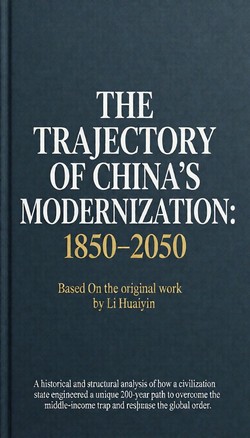
China's Modernization delivers a provocative, non-Western-centric deep dive into one of the 21st century's most pivotal global shifts. It first unpacks the evolution of Western modernization theory—from Weber's rationalization framework to its Cold War role as a U.S. ideological tool—before dismantling the myth that Western models are universal. The book then traces China's 200-year journey: starting with the late Qing's reluctant embrace of modernity, the chaotic nation-building of the Republican era, the foundational industrialization of the pre-reform decades, and the explosive growth of the reform era. It introduces the game-changing concept of 'meta-strength'—a unique combination of population scale, ethnic homogeneity, secular values, high human capital, and state capacity—that drives China's sustained growth. By contrasting China's path with failed import-substitution strategies and the limitations of the Washington Consensus, the book argues that China's success lies in leveraging its historical and cultural heritage, offering a new blueprint for non-Western nations navigating modernization.
Understand the Book
Choose how you want to explore this book.




Explore with AI
 Ask about the book's ideas and how they relate to your life.