


This book changed how I see my own reactions and others.
Your Review
This book changed how I see my own reactions and others.
Smooth writing; easy to finish in short sessions.


Microexpressions reveal hidden feelings before we can hide them.
This book helped me finally understand why my friend seemed angry when they were actually sad.

The distinction between a fake smile and a genuine Duchenne smile involving eye crinkles is something I use often now.

The book teaches me to pause and notice physical cues like a tight jaw before reacting to stress.
Ekman explains how childhood fragments trigger our angry reactions today. I finally understood why I snapped at my husband when he canceled plans, realizing he was just being kind, not controlling like my brother used to be. The concept of emotional fragments makes sense of my irrational outbursts that I couldn't explain before reading this. Understanding that my brain was reacting to an old wound instead of the present moment helped me stop blaming myself for losing control. I learned that these reactive cycles are hardwired, but meta-awareness gives us a chance to pause. By noticing my jaw tightening when criticized, I can choose to ask questions instead of defending myself. This shift from suppression to regulation has improved my relationships and reduced my stress levels significantly. The distinction between fake smiles and genuine Duchenne smiles also helps me connect better with others. I now look for eye crinkles to see if people are truly happy or just pretending to be polite. It feels like learning a new language for human connection. Highly recommended for anyone struggling with emotional outbursts.

This book changed how I see my own reactions and relationships with others.

Helpful science, but I still find it hard to spot real microexpressions in daily life.

Microexpressions reveal truths words hide, making this book essential for understanding hidden feelings.

The concept of emotional fragments explained how my childhood trauma triggers my current anger, which was a powerful insight for understanding my own reactions.

Ekman proves universal emotions exist via New Guinea study, yet I struggle applying this to complex modern workplace dynamics where culture masks feelings deeply.
Ekman's research on microexpressions revealed why I misread my friend's sadness as anger during our coffee meeting, helping me understand that her drooping eyelids hid grief over her lost cat rather than annoyance at my lateness, which saved us from a fight and taught me to pause before judging others' hidden emotions based on fleeting facial cues that often reflect unprocessed childhood triggers instead of current intentions.

I learned that a tight jaw and lowered brows signal anger, which helps me stop reacting instantly.

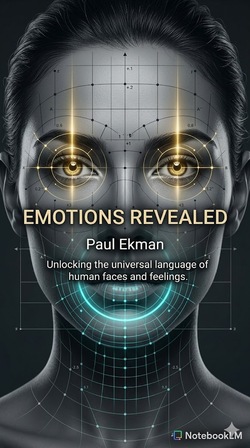
Reading this book felt like learning a new language. Paul Ekman explains how our seven core emotions—joy, sadness, anger, fear, disgust, surprise, and contempt—are actually hardwired into our biology rather than just learned cultural habits. He describes his groundbreaking work with the Fore tribe in New Guinea, showing that even people who have never seen Western media can accurately identify these universal facial expressions. This research completely upends the old idea that emotions are purely social constructs. Beyond just identifying faces, the book dives deep into why we react the way we do, introducing the concept of emotional fragments. These are unprocessed traumatic moments from childhood that get stored in our neural pathways, triggering disproportionate reactions to modern events. For example, if someone feels powerless as a child, a small delay today might feel like a life-threatening betrayal. Ekman also teaches us the difference between suppressing and regulating these feelings. Suppressing builds pressure and leads to explosions, while regulating means understanding the root cause and choosing a better response. He breaks down specific facial cues for each emotion, like how sadness lifts the inner eyebrows while anger lowers them. He also explains the crucial difference between fear and surprise, noting that fear involves tension and lasts longer. The book also covers positive emotions, detailing the Duchenne smile where eye muscles crinkle, proving it is a sign of genuine joy linked to long-term health. Finally, he offers a three-stage test to train your brain to spot microexpressions, helping you move from being controlled by automatic reactions to building authentic connections with others through empathy and self-compassion.

Reading about Helen's childhood trauma really helped me understand why I react so strongly to small changes in plans.

Interesting science but sometimes feels too focused on facial muscles for everyday emotional understanding.

This book completely changed how I see facial expressions and taught me that my automatic emotional reactions often come from old, unprocessed parts of my past.

The explanation of emotional fragments and childhood triggers was a real eye-opener.
I learned that my angry outbursts come from old childhood wounds, not just my current mood. This insight helps me pause before reacting. The section on distinguishing fake smiles from real Duchenne smiles was particularly eye-opening for my daily interactions. Understanding that these reactions are biological, not personal failures, has reduced my self-criticism. Now I try to notice the physical cues in my body, like a tight jaw, before speaking up. It feels like gaining control over my emotional landscape instead of being swept away by every trigger. The science behind microexpressions makes sense of confusing social moments. I appreciate the focus on empathy over judgment. It turns reading faces into a tool for connection rather than suspicion. The examples about cultural display rules also helped me understand why others sometimes hide their true feelings. Overall, this book offers a practical path to better relationships and self-awareness without needing complex therapy immediately. It is a gentle reminder to look deeper.