


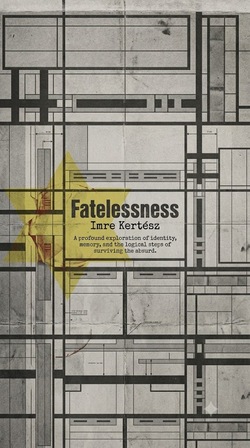
A quiet story about survival that changed how I see trauma.
Your Review
A quiet story about survival that changed how I see trauma.

Fatelessness is a hauntingly quiet reminder that surviving does not mean overcoming.


The way Gyorgy adapts without rage or hope instead of fighting or crying really changes how I see survival.

A hauntingly quiet story where a boy survives by shutting down his emotions rather than fighting the impossible system around him.

A quiet, unsettling read that changes how I see survival and trauma.

Survival is just adapting numbly to the absurd.

This book feels quiet but hits hard with its honest view of survival.

A powerful story about surviving without feeling anything.

Gyorgy's quiet adaptation to horror feels terrifyingly real and unflinching, proving that numbness can be the only way to keep breathing when the world around you is systematically destroying your humanity, turning the abstract concept of fatelessness into a harsh, unforgettable reality that challenges every expectation we have about how survivors should feel or react to such unimaginable loss and despair.

The way the narrator stays so calm while describing horrific events really shows how survival sometimes means shutting down your emotions completely.

The book brilliantly shows how Gyorgy survives by shutting down his emotions completely rather than fighting or feeling rage, making the horror feel even more real because there is no dramatic resistance, just quiet, mechanical adaptation to an absurd world where rules change without reason and survival depends on lying about age or ignoring the screams around him while eating the last scraps of bread to keep his body moving forward one day at a time.

I found the ending disappointing. The boy should have cried or felt anger instead of just accepting everything so calmly.

This book is strange but true. It captures the exact feeling of being trapped in a system where you have no control.

The quiet numbness of Gyorgy feels surprisingly real and hard to accept.

Kertesz captures numb survival without forced heroism, challenging our need for trauma narratives that always demand a clear moral or emotional payoff from suffering.

The story feels so quiet and unsettling because Gyorgy just adapts instead of fighting, making his survival feel incredibly numb.

I struggled with the lack of anger. The protagonist accepts too much of the system around him.

Koves stays calm while others panic, showing survival isn always about feeling.

This book shatters the idea that survivors must feel deep emotions. Gyorgy just adapts quietly, surviving without rage or hope, which feels strangely true and heartbreaking in its lack of drama.
Survival is just keeping going. Even when you feel nothing at all.