


Reading this changed how I see my daily coffee.
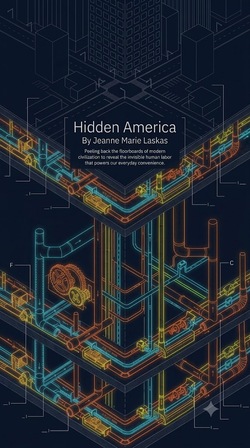
Your Review
Reading this changed how I see my daily coffee.

Reading this book made me realize how many people silently power my simple morning routine.


Hard to ignore these hidden workers.

Laskas spent months living as a miner and trucker, not just interviewing them. Her immersion makes the hidden dangers of our daily convenience feel real and urgent.

Laskas spent four months living with coal miners and migrant workers, sharing their daily struggles and risks firsthand.

This book made me realize how much I take for granted the invisible workers keeping my daily life running smoothly every single day.

The story of the air traffic controllers working in a crumbling tower at LaGuardia really made me feel the weight of their invisible danger.

I was shocked by the LaGuardia tower details; controllers work in leaking roofs, outdated systems, and cramped spaces without proper support, making their job feel dangerously fragile while we take our safe flights for granted, and this deep dive into their daily struggle changed how I view the unseen guardians of our skies who often face burnout and neglect.

Laskas spends real time with hidden workers, making invisible labor feel urgent and deeply human.

Laskas spent months living with miners, pickers, and controllers, revealing how their invisible labor powers our daily comforts and exposes the human cost behind every convenience we take for granted.

Laskas spent months living with miners and truckers, not just interviewing them from afar. Her immersive approach reveals the harsh realities behind our daily conveniences, from the coal powering our homes to the migrant workers picking our blueberries. By stepping into their shoes, she exposes how systemic forces keep these essential workers invisible, often dismissing them as unskilled labor while they risk their lives for our comfort. The book forces us to confront the human cost of our convenience and challenges the narrative that these workers are distant or irrelevant. Instead, Laskas presents them as neighbors and parents, urging us to recognize their dignity and demand systemic support rather than just occasional pity. It's a searing look at the invisible backbone of America.
This book highlights how systemic forces keep essential workers invisible even though they power our homes and feed our families.

Laskas spends months living underground and in migrant camps, proving these workers are real people who power our daily lives, not just invisible statistics we ignore until a disaster happens.

Laskas lived underground with miners and slept in Maine camps to show the invisible human cost behind our daily conveniences.
It's impossible to look at a blueberry muffin the same way after reading about the migrant workers picking them in Maine.

Laskas spent four months living underground with miners and sleeping in migrant camps, showing us the real human cost behind our daily convenience.

This book forces us to see the hidden hands powering our homes, from underground miners to migrant pickers, reminding us that every convenience relies on people we rarely notice or thank.

Laskas truly immerses us in hidden lives.

Laskas spent months living with miners and truckers, showing us the real human cost behind our daily convenience.

Laskas lived with miners to show their hidden risks.