


The story of Howie Rubin getting underpaid while making millions is heartbreaking and explains why everyone left.
Your Review
The story of Howie Rubin getting underpaid while making millions is heartbreaking and explains why everyone left.


Gutfund vs Meriwether showdown was wild.

The $10 million poker bet perfectly captured Solomon's toxic soul.

I loved the scene where Meriwether outsmarts Gutfund in that high-stakes poker game because it perfectly showed the boss had no skin in the game.
Lewis describes the toxic training floor where trainees were treated as disposable cattle and senior traders ignored their questions, creating a culture of fear and betrayal that eventually collapsed the firm. This detailed look at how misaligned incentives and lack of fair compensation drove away talented traders like Howie Rubin and Andy Stone, replacing a partnership with a ruthless hierarchy where only short-term profits mattered, making the eventual downfall of Solomon Brothers feel inevitable rather than surprising, as the firm prioritized ego over long-term survival and lost the trust of its best employees.

The training program taught trainees to treat peers as cattle, creating a toxic culture where loyalty was replaced by fear and self-preservation, ultimately turning a once-strong partnership into a dysfunctional machine where talent was discarded once it failed to generate immediate profits or was seen as a threat to leadership power, a lesson that resonates deeply as it shows how short-term greed and rigid hierarchies destroy long-term success by prioritizing individual advancement over collective well-being and trust within the organization.

The mailroom clerk who built the mortgage empire was eventually fired by a CEO who sold his own shares.

It feels sad watching talented people leave because the firm refused to pay them what they deserved.

Black Monday showed the split emotions of a firm that had already lost its soul.

The training room split into groups that both only cared about their own success.

Meriwether doubling the bet exposed the CEO's lack of skin in the game perfectly.

The ego of John Gutfund is terrifying to read about.

The scene where Gutfund loses a poker bet to Meriwether perfectly illustrates the fatal arrogance that doomed the firm.

Howie Rubin leaving after being underpaid shows why good talent always leaves.

Walking away from a guaranteed fortune to keep your sanity was the right choice.

Credible sources and careful framing.

The story of Gutfund refusing to risk his own money while demanding traders bet millions was a chilling reminder of ego destroying success.

Lewis saw the ego and greed destroy Solomon Brothers before he quit himself.

The story of Lewis Ranieri and the mortgage department rise and fall feels surprisingly real, showing how internal politics and ego can destroy a profitable team. Reading about how the firm ignored talented traders like Howie Rubin because of rigid pay scales instead of rewarding their actual value really highlights the danger of toxic leadership. It made me realize that prioritizing short-term power over fair compensation eventually drives away the very people needed to keep the company successful, turning a once-strong organization into a dysfunctional mess where everyone only cares about themselves.

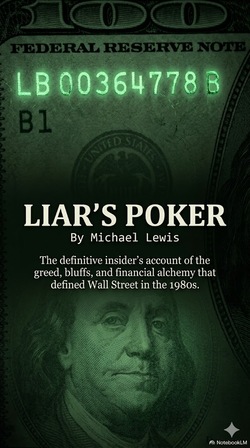
This memoir perfectly captures the toxic ego and greed that destroyed Solomon Brothers in the 80s.