



Interesting theory about niche markets, but feels a bit dated.
Your Review
Interesting theory about niche markets, but feels a bit dated.

Anderson brilliantly explains how digital platforms eliminated physical scarcity, allowing aggregated niche demand to rival mainstream hits through democratized production and infinite virtual shelf space.

Interesting idea about niche markets.

Anderson explains how digital tools like Amazon and Spotify turned obscure niche products into a profitable market by removing physical scarcity, proving that aggregated small demands can rival mainstream hits.

Great insight on niche markets.

This book changed how I see commerce by showing that the sum of small niche sales can equal the value of traditional blockbuster hits.

Anderson explains how digital platforms eliminated physical scarcity, allowing aggregated niche demand to rival mainstream hits through examples like Amazon and Spotify.

While the theory is interesting, I am unsure if it fully addresses the risk that algorithms might create echo chambers that limit exposure to new ideas instead of expanding them.

A clear idea about why niche products can now succeed where they used to fail.

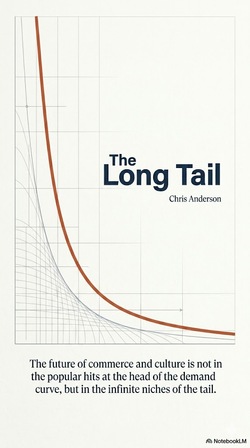
Anderson argues that digital technology eliminated the physical scarcity that forced businesses to ignore niche tastes, proving that aggregated small demands can rival big hits. The theory rests on three forces: democratized production allows anyone to create content without expensive studio costs, low-cost distribution removes the need for physical inventory or shipping fees, and optimized matching uses algorithms to connect niche buyers with sellers who previously couldn't find each other. For example, Amazon's infinite shelves and recommendation engines helped a forgotten mountaineering book sell twice as many copies as a blockbuster after being linked to a popular title. Similarly, streaming services like Rhapsody showed that tracks ranked 25,000 or lower accounted for 40% of total downloads, meaning the long tail generated massive revenue. This shift not only changed business models but also validated diverse consumer preferences that were once suppressed by retail constraints. The result is a vibrant ecosystem where hyper-specific products thrive alongside mainstream successes.

The shift from physical scarcity to digital abundance changed how we buy music and books. Physical stores could only stock a few thousand CDs, forcing them to prioritize only the biggest hits because shelf space was expensive and limited. However, platforms like Amazon and Spotify eliminated these constraints by offering infinite virtual shelves with near-zero marginal costs for adding new tracks or books. This allowed obscure indie bands and specialized genres to find their dedicated audiences without needing mass appeal. By aggregating millions of small, scattered demands, the long tail proved that niche products could generate revenue equal to or greater than traditional blockbusters. The book also highlights how algorithmic matching solves the discovery problem, connecting niche creators with buyers who would never find them in a local store. Ultimately, this theory shows that the future of commerce lies in embracing diversity rather than chasing the next big hit.

The shift from hit-driven culture to diverse niches changed everything for how we consume media and products, making it clear that digital platforms unlocked hidden value by eliminating physical scarcity constraints that once forced retailers to only stock popular titles, allowing obscure indie artists and specialized books to finally find their dedicated audiences through algorithms and infinite virtual shelves rather than relying on broad mass appeal strategies that dominated the twentieth century when physical shelf space and broadcast airtime were limited resources requiring businesses to prioritize mainstream blockbusters over risky niche projects that might never sell enough copies to cover production and marketing costs.

Anderson explains how digital tools let niche products succeed instead of just chasing hits.

The book explains how digital tools like Amazon and Spotify eliminated physical shelf limits, allowing obscure indie music and books to find dedicated audiences. By aggregating millions of small niche demands, the total revenue from these 'long tail' products rivals or even surpasses the sales of traditional mainstream blockbusters, fundamentally rewriting market economics where hits used to hold a monopoly on attention and profit. This shift proves that consumers no longer need to settle for homogenized content; instead, they can curate their own experiences from a vast library of options that were previously inaccessible due to high distribution costs and scarcity constraints. Ultimately, the theory highlights how democratized production and algorithmic matching turn scattered niche interests into a powerful, sustainable economic force that benefits both creators and buyers alike.

This book perfectly explains how the internet turned obscure interests into a profitable global market.

The examples about Rhapsody and Amazon show that niche products can make real money, but I still worry about whether algorithms might eventually push everyone back toward mainstream hits to maximize profit.

Good book, long tail concept finally makes sense.

The explanation of how digital platforms eliminated physical scarcity to unlock niche markets was a complete game changer for my understanding of modern commerce.

The concept that infinite digital shelves allow small niche sales to add up to a huge total market is a powerful insight for modern business strategies.

Anderson explains how digital shelves freed niche markets from old scarcity rules that once forced businesses to ignore small audiences because they couldn't fit physical inventory on limited shelves, allowing scattered demands to aggregate into a massive profitable force that rivals traditional hits by connecting scattered buyers with specific interests through algorithms and on-demand production models.