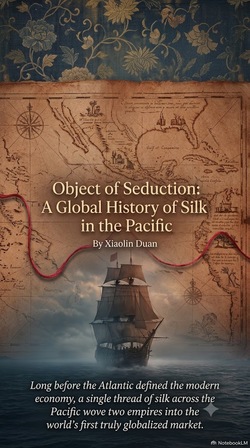
"Object of Seduction" traces the global rise of silk from the 16th century onward, weaving together the intertwined histories of Ming China and colonial Mexico. It explores how silk production transformed economies—from Jiangnan’s booming sericulture and commercialization to Mexico’s colonial silk industry integrated into Spanish imperial systems. The book delves into the game-changing Manila Galleon Trade, which flooded the Americas with Chinese silk, reshaping consumption patterns, sparking fashion revolutions, and triggering silver flows that destabilized the Ming Dynasty. It also examines sumptuary laws in both regions: Ming edicts aimed at preserving social hierarchies, and Mexican rules enforcing racial segregation, while both failed to curb the allure of silk. Through vivid primary sources like *Convenience Manual for Farmers* and *Codex Sierra*, the book reveals silk’s role as a catalyst for cultural fusion, labor shifts, and power struggles, offering insights into how this luxury commodity connected distant worlds and shaped modern global trade.






 Ask about the book's ideas and how they relate to your life.