



This book finally explained why my annual review felt like a waste of time and how to fix it.
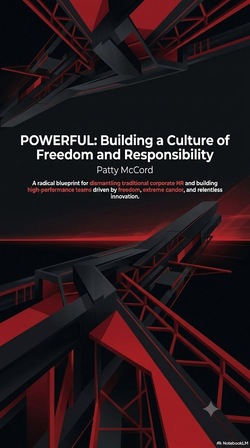
Your Review
This book finally explained why my annual review felt like a waste of time and how to fix it.

This book perfectly explains why Netflix succeeds while others fail. McCord argues that treating employees like mature adults instead of children who need constant oversight unlocks real creativity and agility. The shift from rigid annual reviews to frequent, honest feedback creates a culture where people take ownership. I was struck by the story about eliminating vacation tracking; it shows how trust actually makes people more responsible rather than letting them slack off. The advice to hire fewer top performers instead of many average ones is also a powerful lesson for any team leader wanting to build a high-performing group without wasting time on bureaucracy or micromanagement.

This book changed how I see management forever.

The section on ditching rigid approval chains for software tools really resonated with my daily struggles in a slow-moving company where waiting three days for permission to buy a small tool just to save ten hours of work feels absurd and kills any chance of actual agility, making me realize that trusting employees to make decisions aligned with company goals is far more effective than micromanaging every expense report or vacation request, which ultimately proves that replacing paternalistic oversight with freedom and responsibility boosts both productivity and morale without needing a billion-dollar budget to implement these simple yet radical changes that free up teams to focus on solving real customer problems instead of filling out endless forms.
McCord makes a compelling case that treating employees like adults, rather than children needing constant oversight, is the only way to build an agile team capable of thriving in today's fast-changing business landscape.

I felt the advice on feedback was too harsh for my small team.

This book helped me finally understand why my office feels so stuck and slow.

McCord argues that treating employees like adults builds trust and drives real agility, replacing rigid rules with clear accountability and high talent density. She shows how Netflix cut red tape on vacations and expenses, letting staff use judgment instead of waiting for approvals. While this freedom sounds risky, the author proves it works when leaders model transparency and give top-tier talent the space to innovate without micromanagement. This shift from control to trust helps teams adapt fast when market conditions change, proving that respecting people as capable partners unlocks creativity and productivity far better than outdated systems ever could.

Great read.

This book made me realize my annual review was just a useless ritual.

I hated the idea of ditching annual reviews but this book convinced me they are useless rituals. McCord explains how waiting six months for feedback kills the chance to improve anything real. The Start Stop Continue exercise gives a simple way to give direct feedback constantly instead of once a year. It feels awkward at first but saves so much wasted time on office politics later. My team now has weekly check-ins and issues get resolved much faster without drama. Finally understanding that data should guide decisions not dictate them was a huge eye opener for me.

I liked the transparency about pay but worry small firms can't afford it.

The section on Netflix treating employees as adults instead of kids really resonated with me. Removing strict vacation tracking made me feel more responsible and trusted, which boosted my motivation to deliver results without micromanagement. The idea that high talent density creates a better team than hiring average people was eye-opening. I realized my company wastes time on rigid approval chains that kill agility. Instead of waiting for managers to sign off on small tools, we should make decisions quickly if they fit our goals. The 'Team, Not Family' philosophy is hard but necessary for growth. When skills no longer match needs, honest conversations help everyone move forward rather than staying stuck in a role that causes unhappiness. I also appreciate the focus on fact-driven debates over data dictating every choice. Using data as a guide while trusting our creativity prevents groupthink. Finally, paying people their market value reduces resentment and aligns compensation with actual contribution. These changes transform work from a chore into a place where mature adults thrive together.

This book completely changed how I view management by showing that treating employees like mature adults instead of children who need constant oversight actually boosts productivity and creativity far more than rigid rules ever could.

I wish my company had these rules to stop the red tape.

This book made me realize how much time I wasted waiting for approvals instead of solving real problems for my team.

This book completely changed how I view management by explaining that treating employees like adults instead of children removes unnecessary red tape, boosts trust, and makes teams far more agile in today's fast-changing business landscape where old rigid systems simply fail to deliver real results or innovation. 74

Netflix treating adults like adults is a refreshing and necessary idea.

The argument for ditching annual reviews felt convincing and practical.

Solid examples; much better than vague advice.