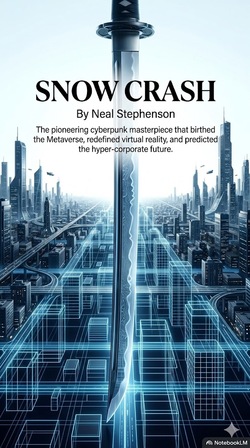
Stephenson predicted our algorithmic gig economy and digital identity crises with stunning accuracy. The novel's 30-minute delivery rule for pizza couriers mirrors modern gig work where minor delays trigger severe penalties, stripping workers of autonomy. While the Metaverse offers Hiro a refuge as a legendary sword fighter, the book reveals how these digital spaces are actually new arenas for corporate control, where status is policed by avatar quality and access is limited by technical skill. The Snow Crash virus, which attacks both computer code and human brains, serves as a powerful metaphor for today's misinformation crisis, showing how viral falsehoods can manipulate our thoughts and erode our ability to distinguish truth from lies. Ultimately, this 1992 classic isn't just retro sci-fi; it's a urgent warning about the dangers of centralized information systems and the erosion of human agency in a world where corporations dictate every aspect of life, from food delivery to our online personas. Reading it now feels like seeing a mirror reflecting our chaotic digital present, reminding us that we must balance our virtual engagement with real-world agency to avoid falling prey to systemic control.