



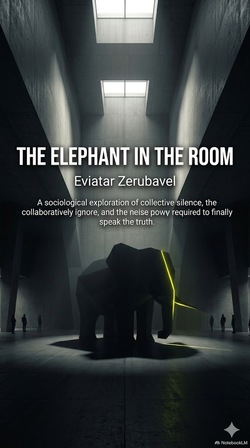
This book explained why we all nod even when we know the timeline is impossible.
Your Review
This book explained why we all nod even when we know the timeline is impossible.

Zerubavel brilliantly explains how social rules teach us to ignore obvious truths, using examples like the Emperor's New Clothes and workplace dynamics to show that collective silence is a learned behavior rather than just individual cowardice, making the concept of public secrets feel deeply relatable.

Great read on why we stay quiet.

I found the explanation of how group norms make us ignore obvious truths really helpful and thought-provoking.

This book explains why we stay quiet about obvious lies in groups, showing how social pressure makes us ignore clear truths together instead of blaming one person, which helps us understand the hidden rules that keep harmful elephants hidden from view in our workplaces and families until someone finally has the courage to break the silent pact and speak up about what everyone knows but refuses to name out loud.

It helps me realize why my team stays quiet about bad management.

I feel like the office scene where we all nod at the impossible deadline really hit home for me. It perfectly describes how we act even when we know something is wrong. The idea that silence is a shared agreement instead of just personal cowardice changed how I see my own behavior in meetings and groups where things feel off but everyone stays quiet. It made me realize that my participation in the silence was part of the problem, not just a lack of bravery. Now I think twice before just nodding along without questioning why everyone is ignoring the obvious elephant staring us right in the face during important discussions.

This book made me realize why my team stays quiet about the manager's mistakes. It explained how we all agree to ignore the obvious truth together. I felt guilty knowing I was part of this silent pact. Zerubavel shows that our silence isn't just cowardice but a social rule we learned. Reading it helped me understand why I never spoke up in meetings before. Now I see the elephant in the room more clearly and feel ready to address it with my coworkers soon.

This book helped me understand why my team stays quiet about the manager's incompetence during meetings.
I felt the concept of the double wall of silence describing my own workplace perfectly.

The team meeting example really hit home. It explains why we nod even when we know the timeline is impossible.

The team meeting example really hit home for me. It shows how easy it is to ignore obvious problems when everyone stays quiet together.

The distinction between individual denial and collective silence really changed how I see my own team dynamics and the unspoken rules we follow.

I realized my team's silence wasn't cowardice but a social pact we all agreed to keep.

Great read on collective denial.

I appreciated the focus on social training but the book feels a bit heavy when discussing historical tragedies like slavery and the Nazi regime, making the personal application of breaking silence seem harder than it actually is.

This book changed how I see my own office silence, showing it isn't just cowardice but a learned social contract we all agree to keep.

This book changed how I see my own team meetings and the silent agreements we make.

This book helps me understand why my team stays silent about our manager's unrealistic deadlines.
Zerubavel explains how group norms make us ignore obvious truths like an elephant in the room, showing that our silence isn't just cowardice but a coordinated social act where everyone agrees to pretend the problem doesn't exist to protect the group's status quo, turning uncomfortable realities into invisible elephants we walk around without speaking up, which makes breaking that collective denial feel both necessary and incredibly difficult because the system rewards us for staying quiet while punishing anyone who tries to name the truth.